isle of man TT
Earlier this year, I traveled from my home in California to the Isle of Man, which is a 35 mile long island in the Irish Sea, known for its motorsports events. The Isle of Man is a self-governing British Crown Dependency, meaning they are effectively their own country, though they technically belong to the British monarchy.
The Isle of Man is most well known for the Isle Of Man Tourist Trophy - a 2-week motorcycle racing event held on the island’s public roads. For those two weeks, the public roads close down on weekdays, and are used instead as a roughly 38 mile long circuit raceway. In addition, many public events are held during the race weeks. It’s quite the spectacle.
The options for lodging on the island are actually pretty interesting - the local government runs a program called Homestay, which encourages residents to rent out extra bedrooms to tourists. It’s a pretty great experience - much more interesting than a hotel, and the rates can be lower too. This is what I did - I rented a bedroom in the town of Peel, the third-largest town on the island. More on Peel below.
This album covers sights from the island and along the way, so there is something for everyone.
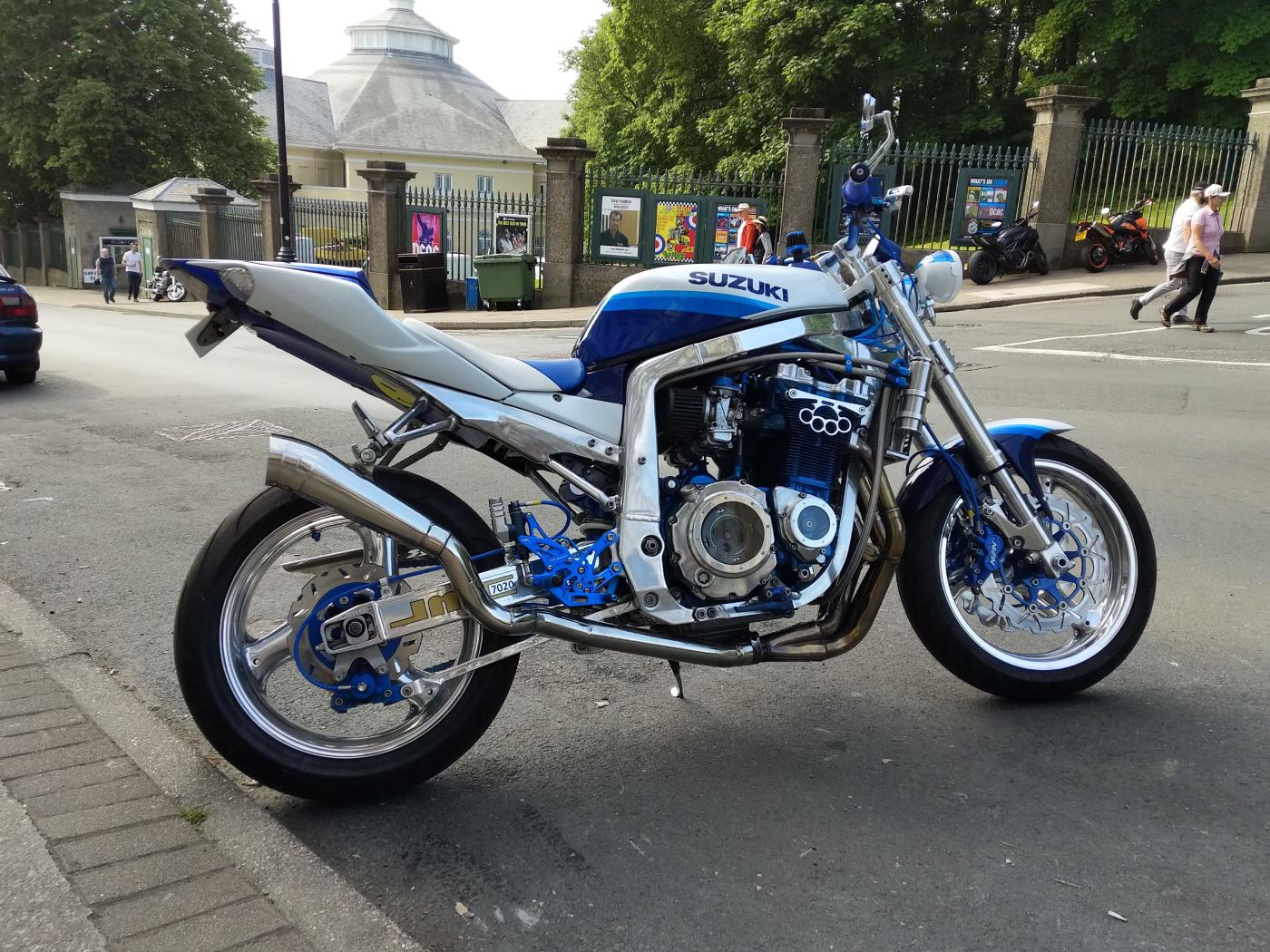
A custom motorcycle parked on the streets of Douglas.
I live in California, and the Isle of Man is about 5,000 miles away from me. Its airport is small so there is no direct flight from here, so between my various connecting flights I traveled about 6,000 miles in total - one way. Fun fact - the “halfway around the world” idiom if taken literally is about 12,000 miles, and I traveled half of that. Halfway to halfway around the world!
A layover of about a day at London Gatwick Airport allowed me to spend the day in London. I took the classic double-decker bus tour, and a boat tour on the River Thames. I didn’t have a set agenda besides these items, and effectively wandered otherwise. I first found myself in Hyde Park, which features many historical monuments.
Australian War Memorial⌗
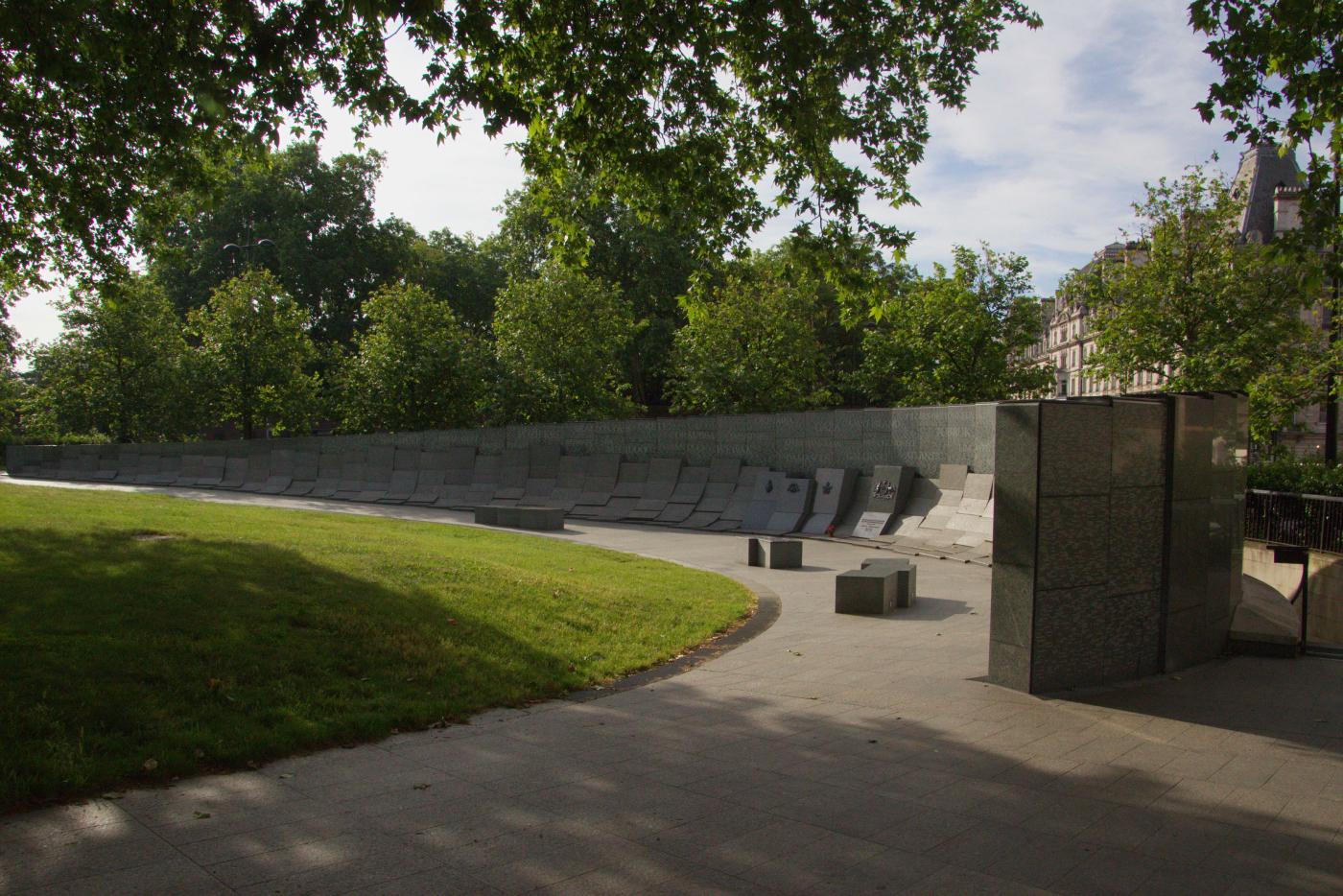
From Wikipedia:
The Australian War Memorial in London is a memorial dedicated in 2003 to the 102,000 Australian dead of the First and Second World Wars.
New Zealand War Memorial⌗
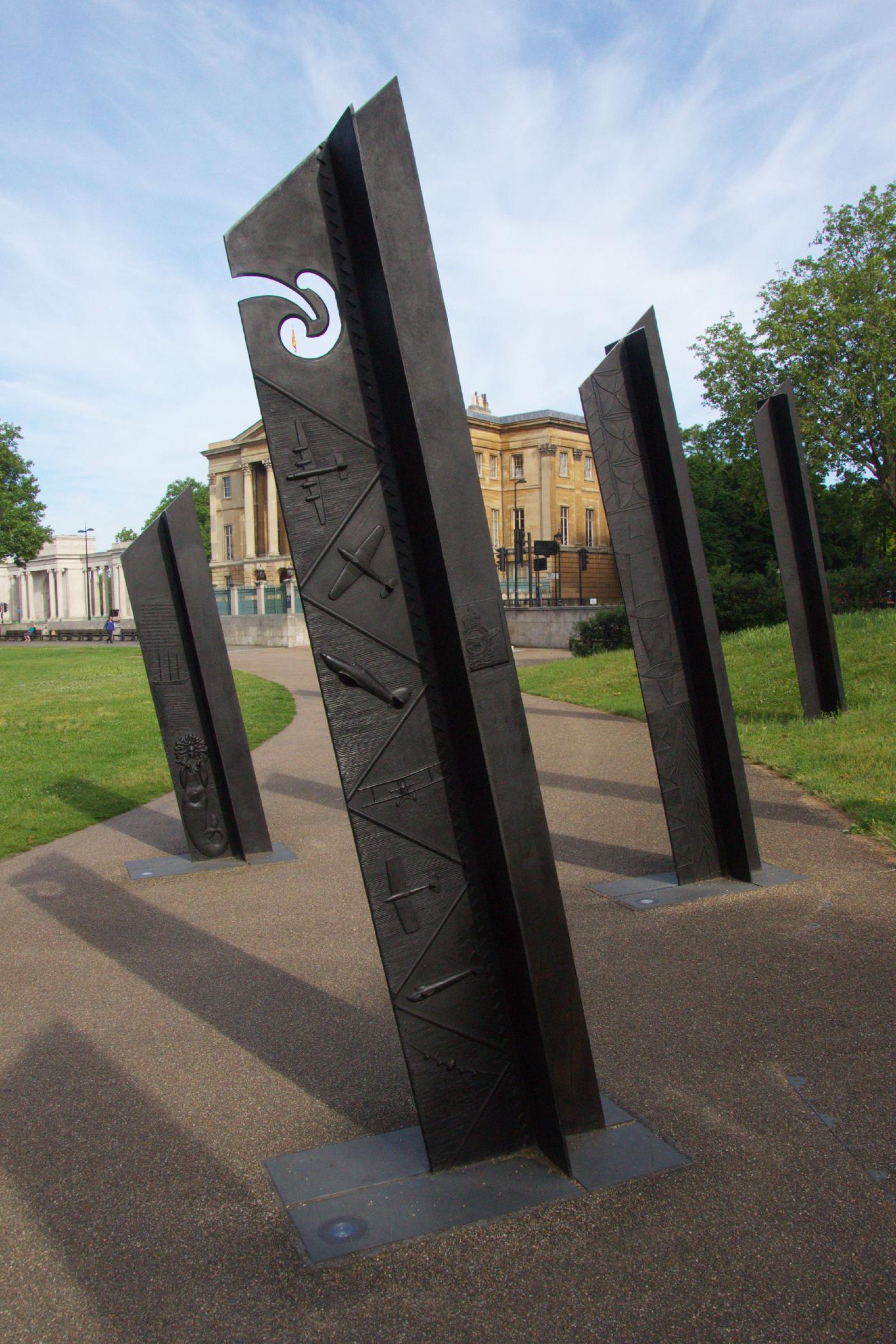
From Wikipedia:
The New Zealand War Memorial in London is a memorial to the war dead of New Zealand in the First and Second World Wars, unveiled in 2006. Officially named “Southern Stand”, the memorial was designed by architect John Hardwick-Smith and sculptor Paul Dibble, both from New Zealand.
Big Ben⌗
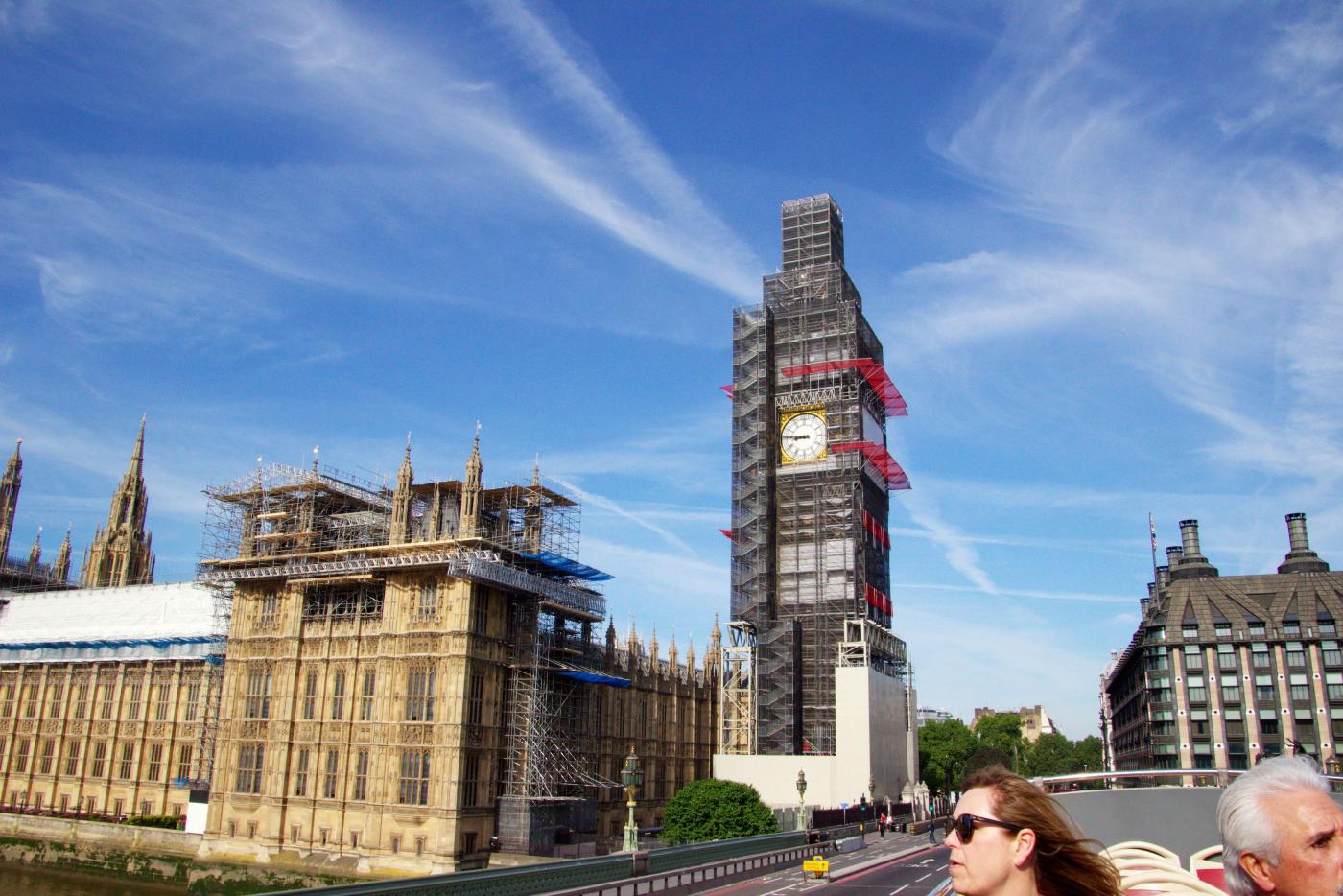
Big Ben was undergoing some sort of construction work that required it to be nearly enclosed in scaffolding. Unfortunately, you couldn’t see most of it. The Palace of Westminster is on the left.
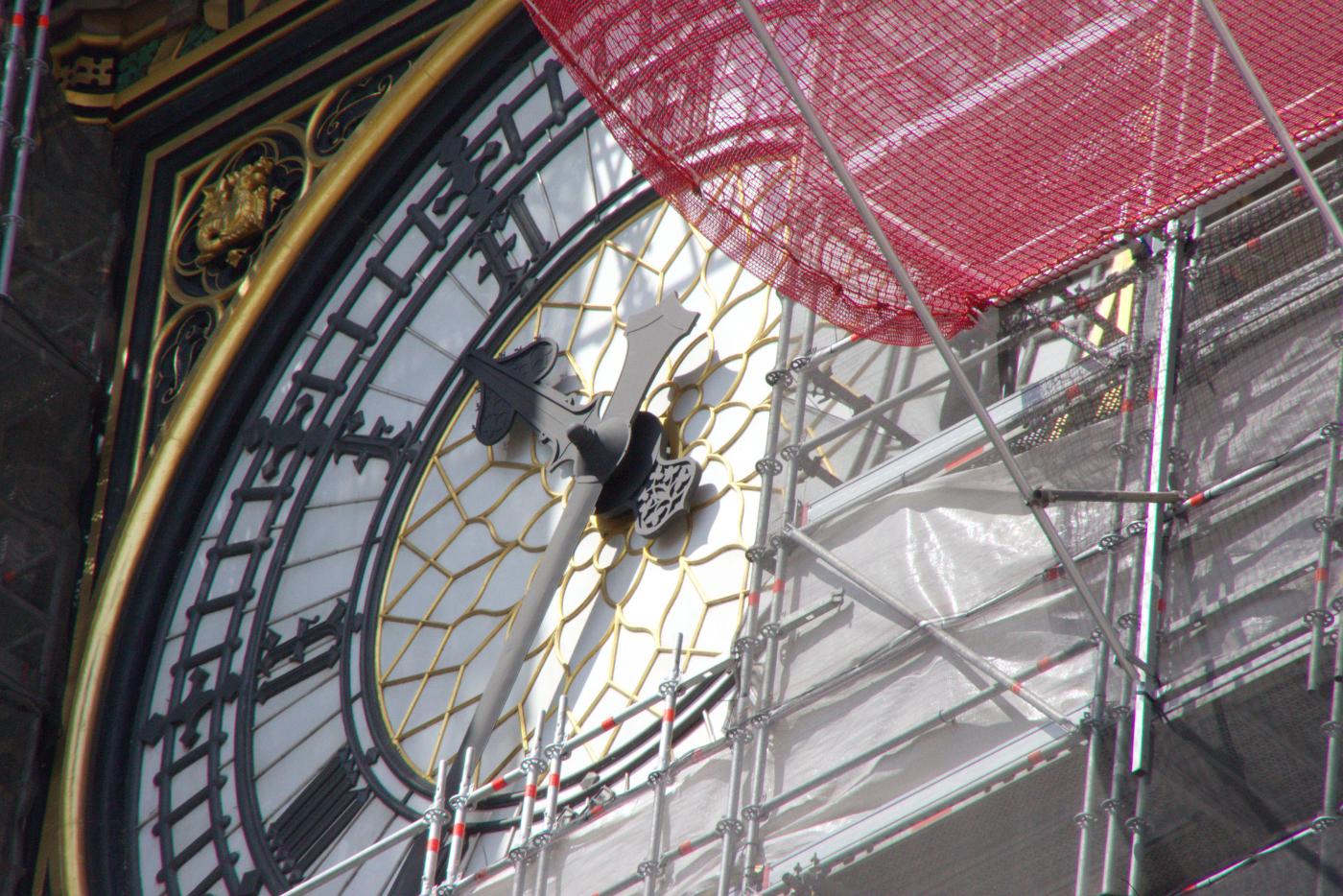
Close up of the clock face, behind which Big Ben - which is technically the name for the bell inside - sits.
Tower Bridge⌗
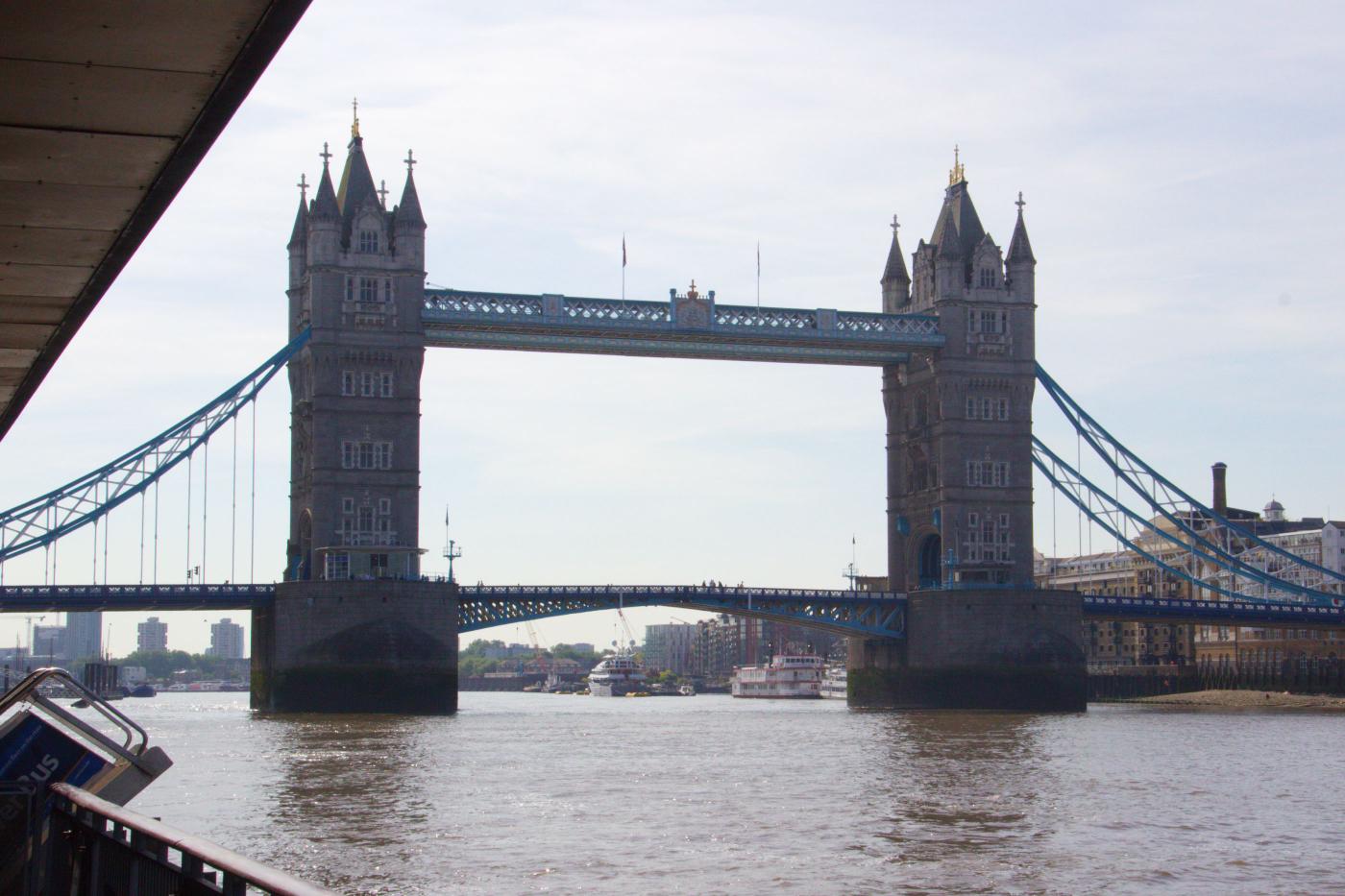
We were going to cross it on the bus earlier, but the driver informed us we could not because some sort of protest was taking place on the bridge, blocking traffic. This is seen from the dock where the boat tours launched from.
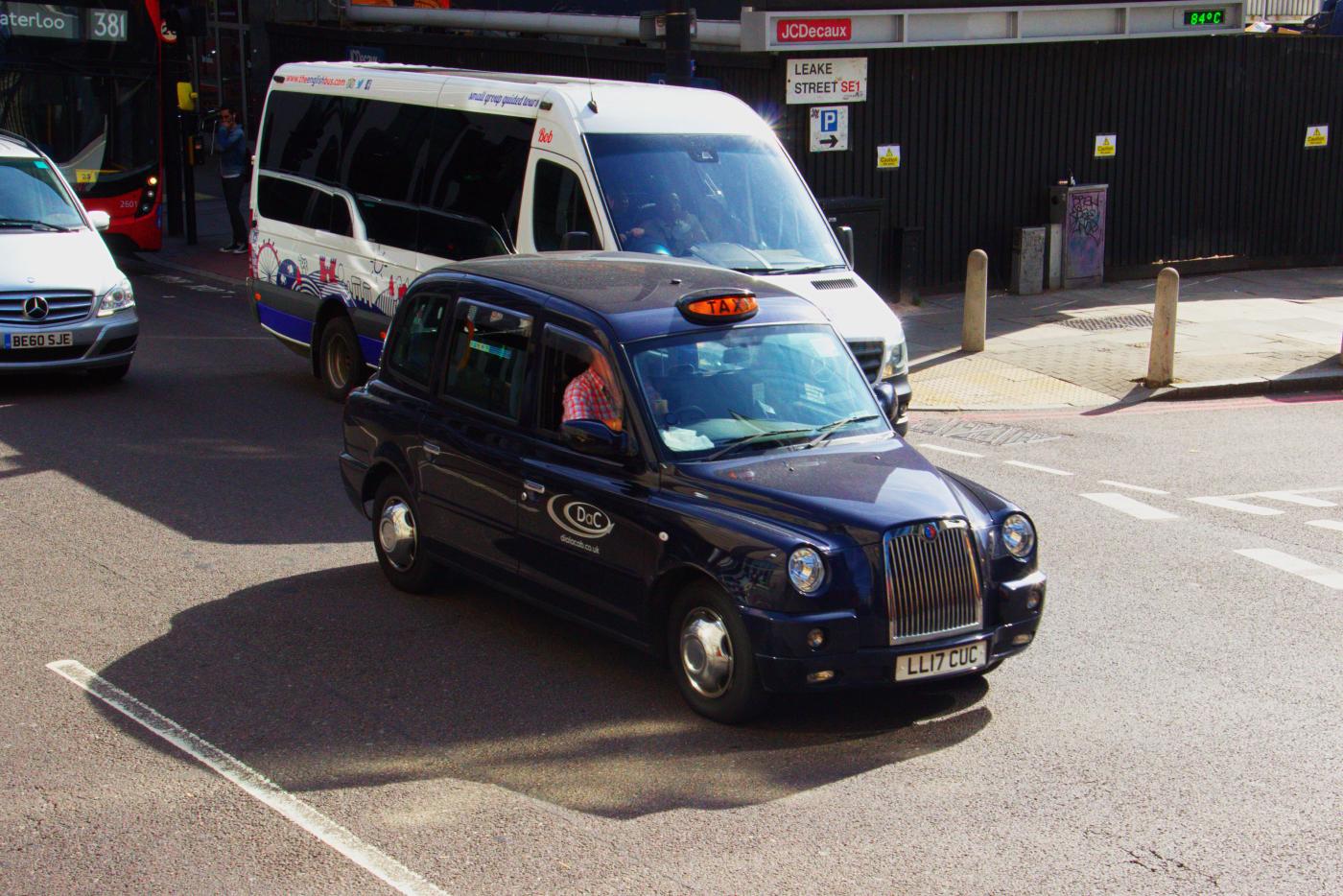
classic London black cab⌗
London Victoria Station⌗
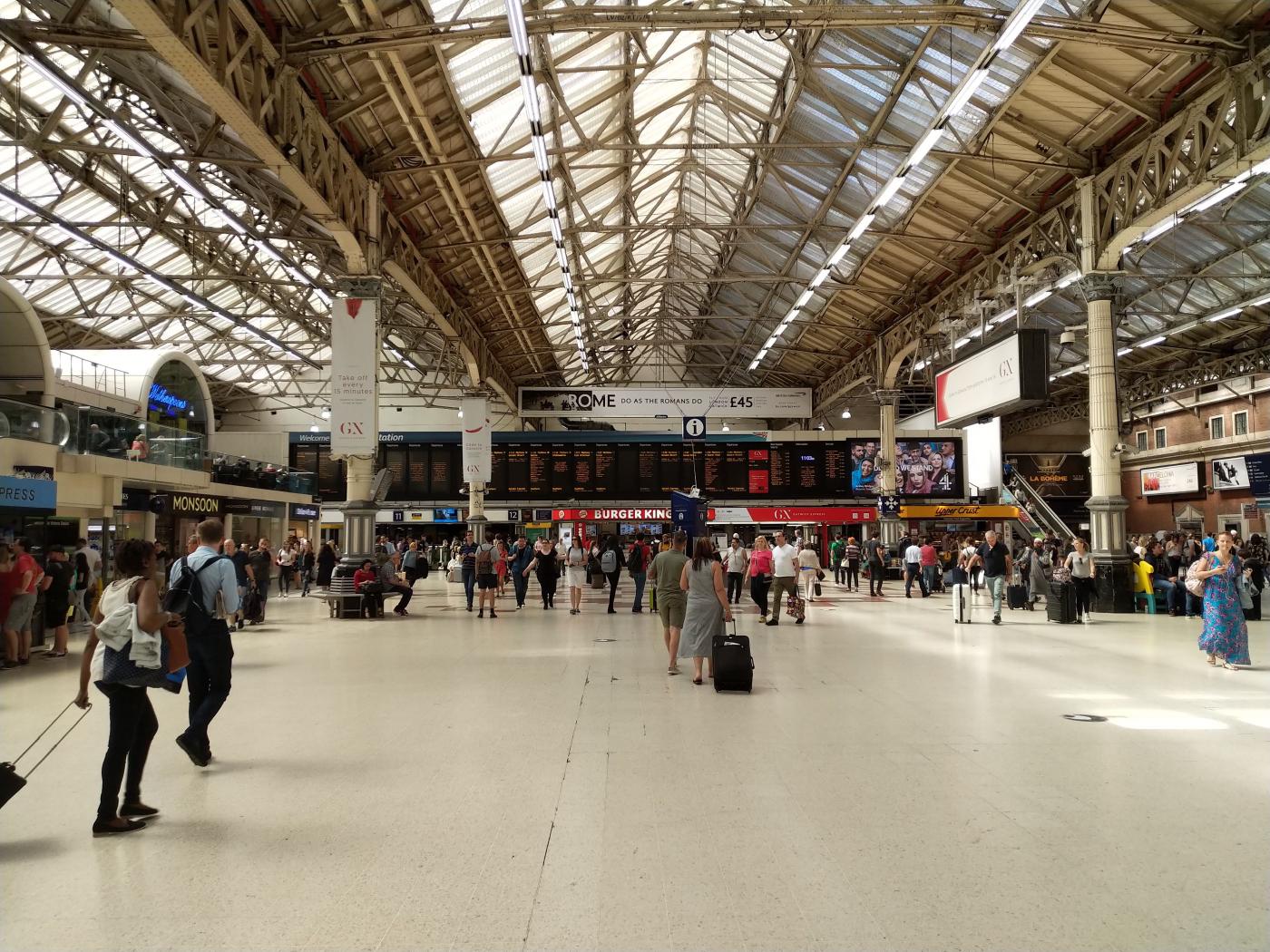
Having spent the morning and early afternoon exploring London, the time came to catch my flight to the Isle of Man. I took the Gatwick Express out of London back to Gatwick airport.
race day⌗
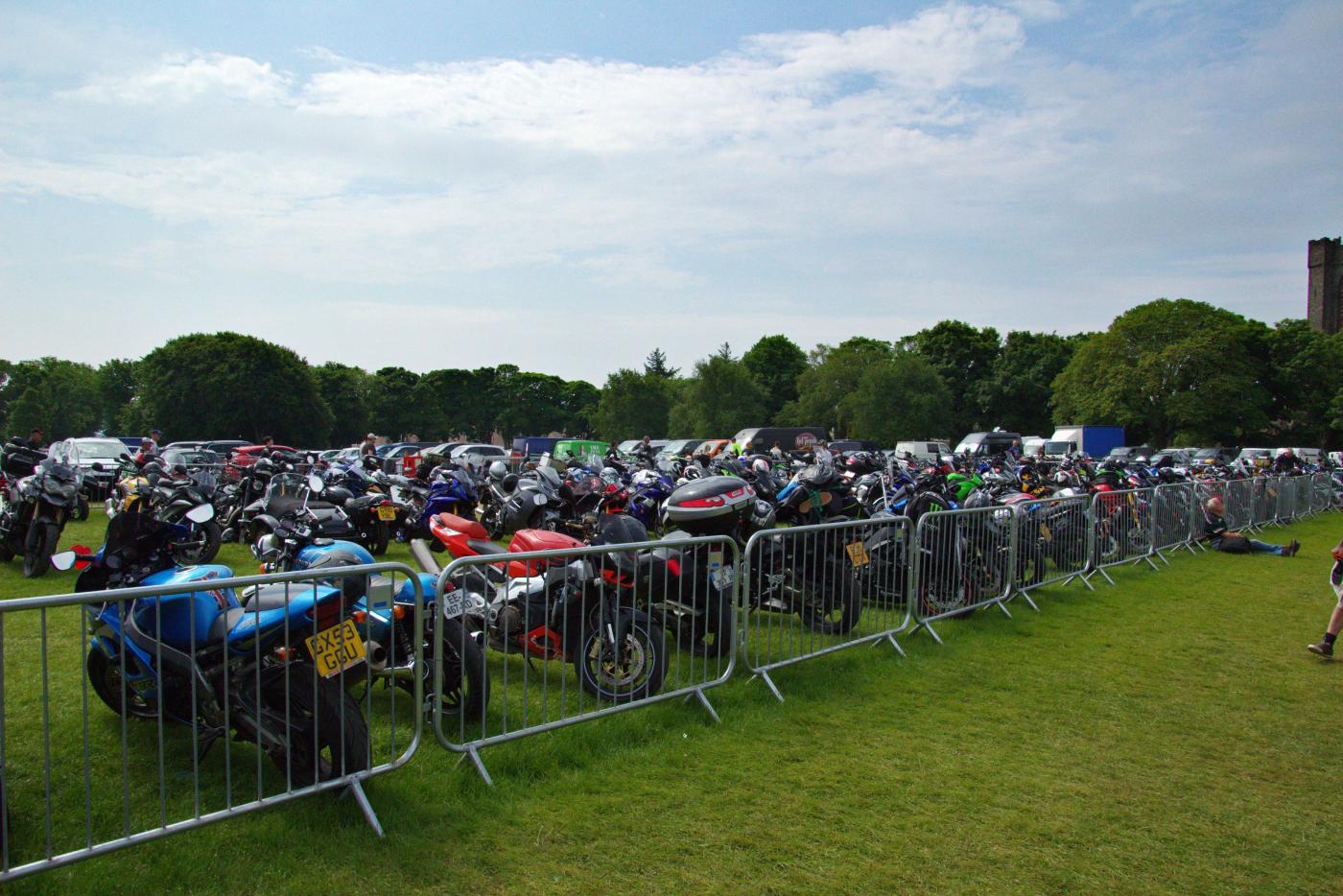
This isn’t a bike competing in the day’s races, but it was race day on the island! The number of motorcycles that appeared on the island was impressive. Fields upon fields of parked bikes.
Douglas⌗
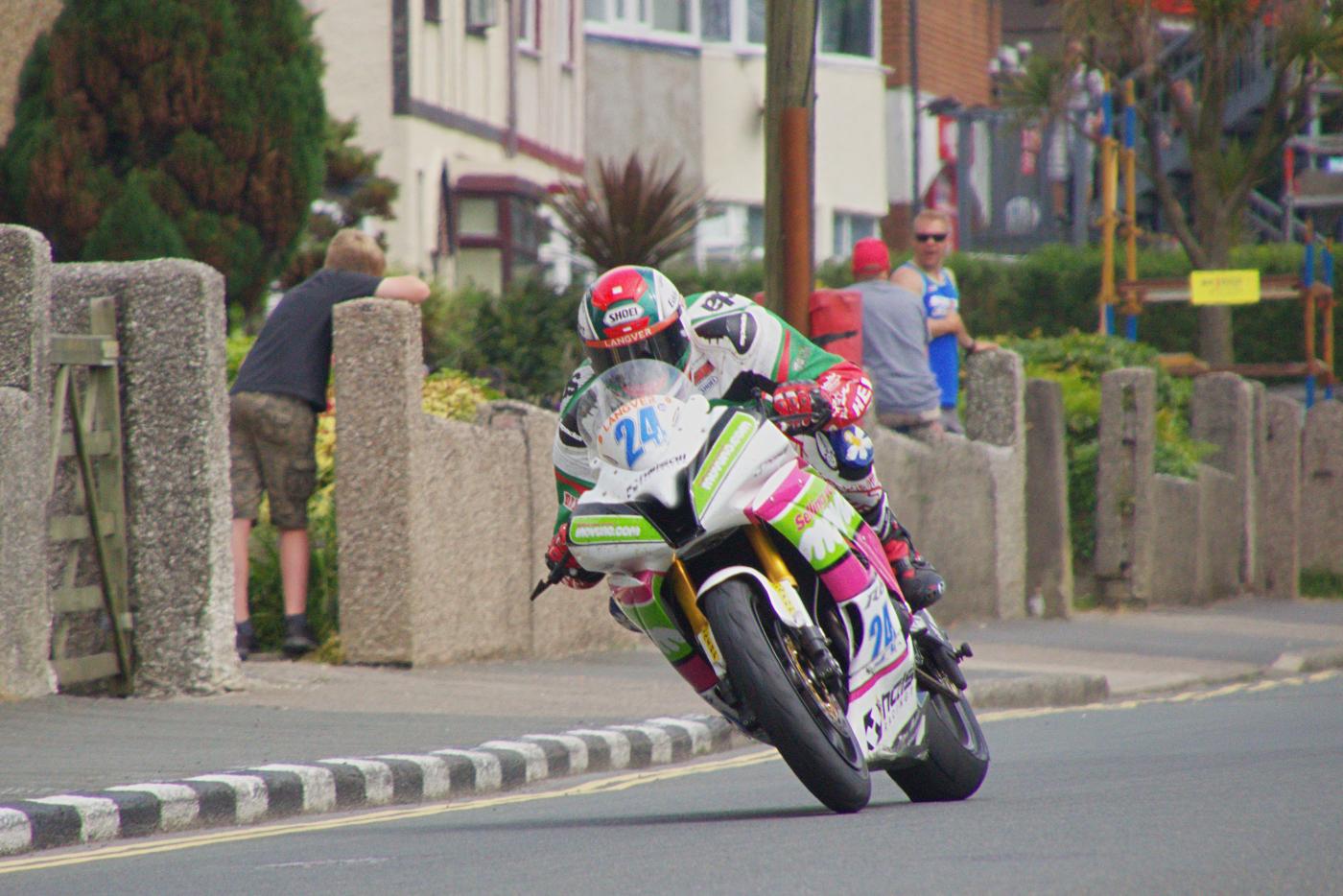
The race was on! This is a racer speeding through Douglas, the largest town and capital of the Isle of Man. You can see that they literally do just use the island’s public streets for the race course - and the public comes out to watch.
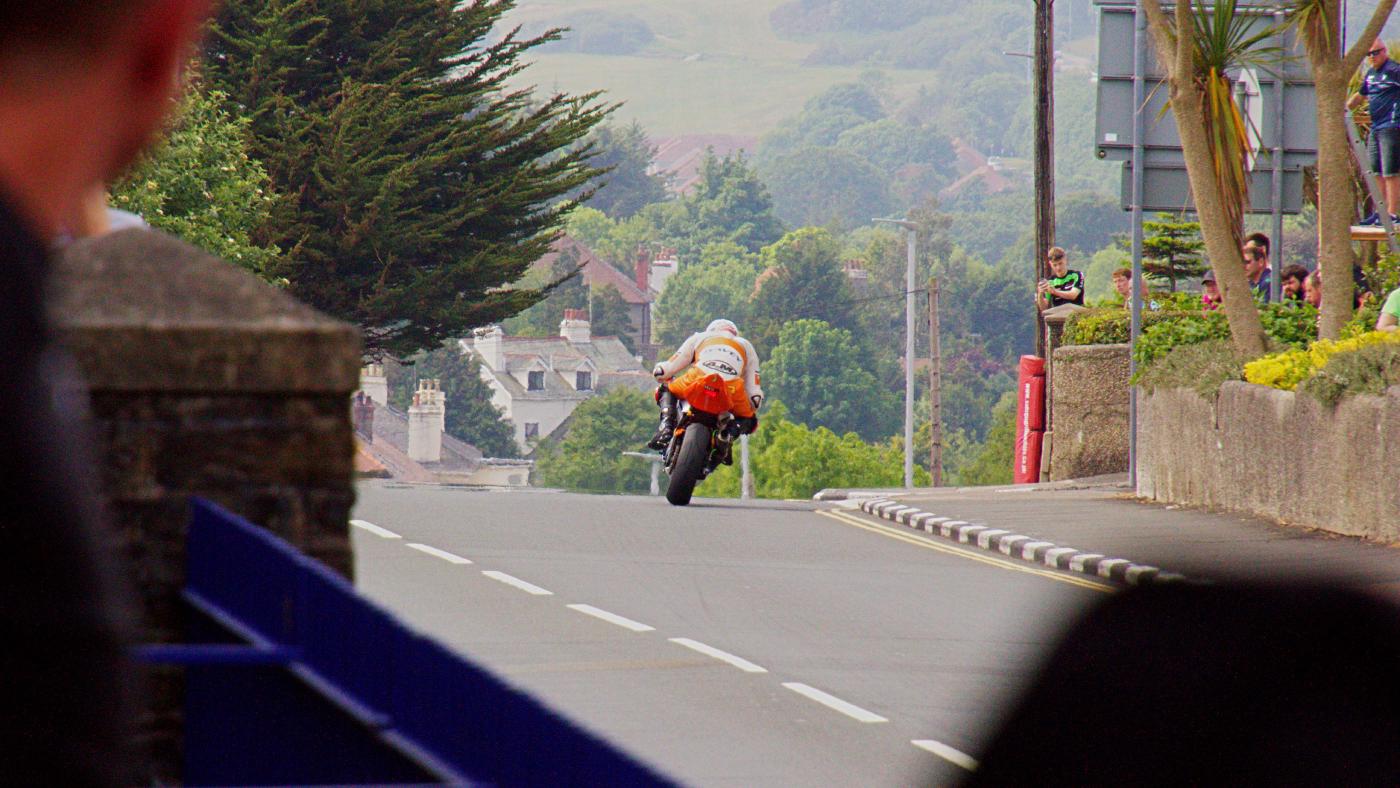
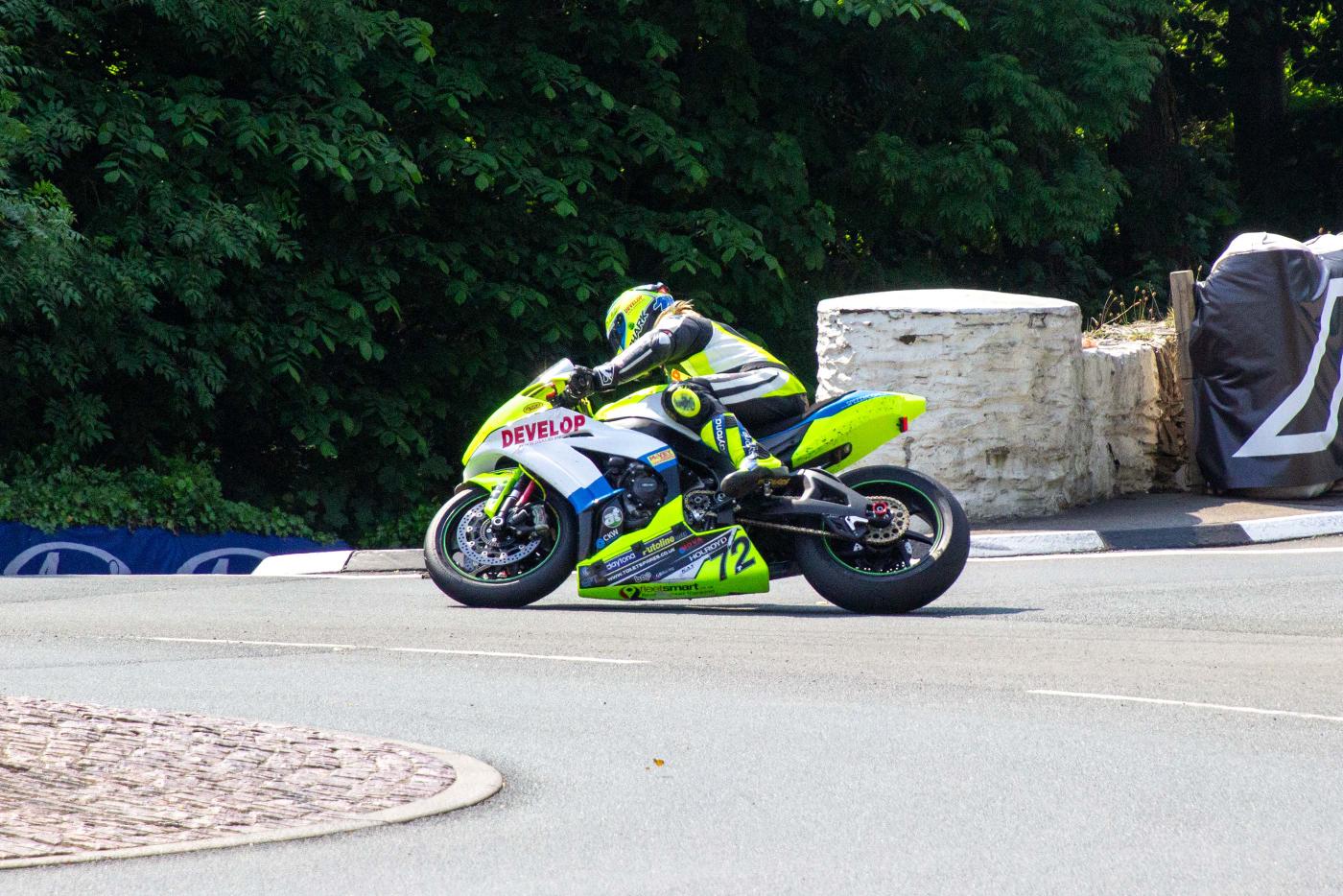
It’s difficult to describe how fast these racers move. It’s nothing like standing next to a highway - these bikes move at more than double highway speed - on average! The record average speed for an entire lap is 136 MPH, held by Peter Hickman. Of course, this average speed includes slower parts of the course. On simpler portions of the course, such as straightaways, speeds over 200 MPH are frequently attained.
sidecar race⌗
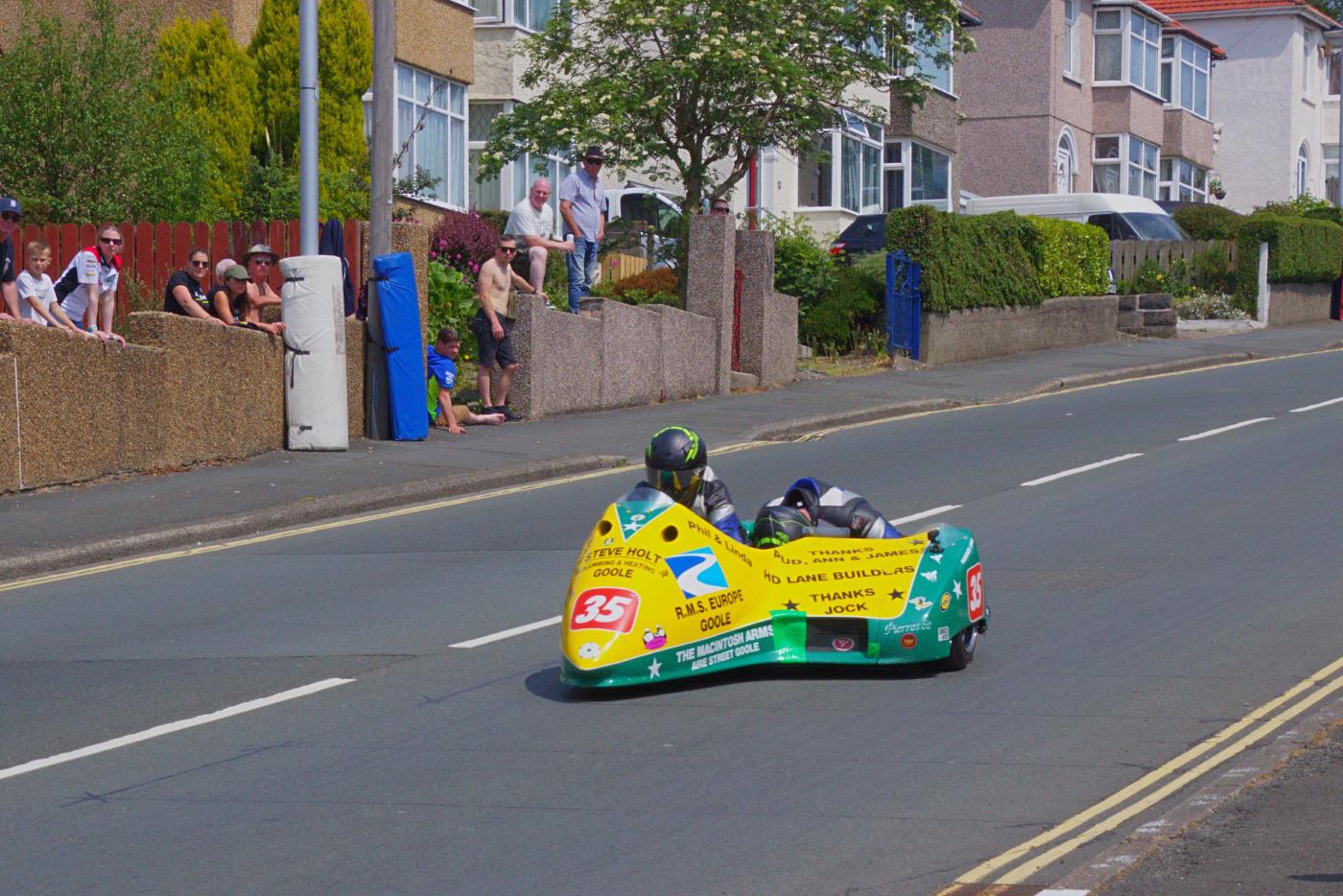
In addition to motorcycles, races with “sidecar” motorcycles are also run.
Really, they aren’t motorcycles under the hood at all. It’s not a motorcycle with a sidecar added. It’s a completely custom machine for this specific class of race.
During the race week, races happen Monday / Wednesday / Friday, with Tuesday and Thursday being break/prep days. This downtime in between race days gave me plenty of time to look at other sights on the Isle of Man.
cat⌗
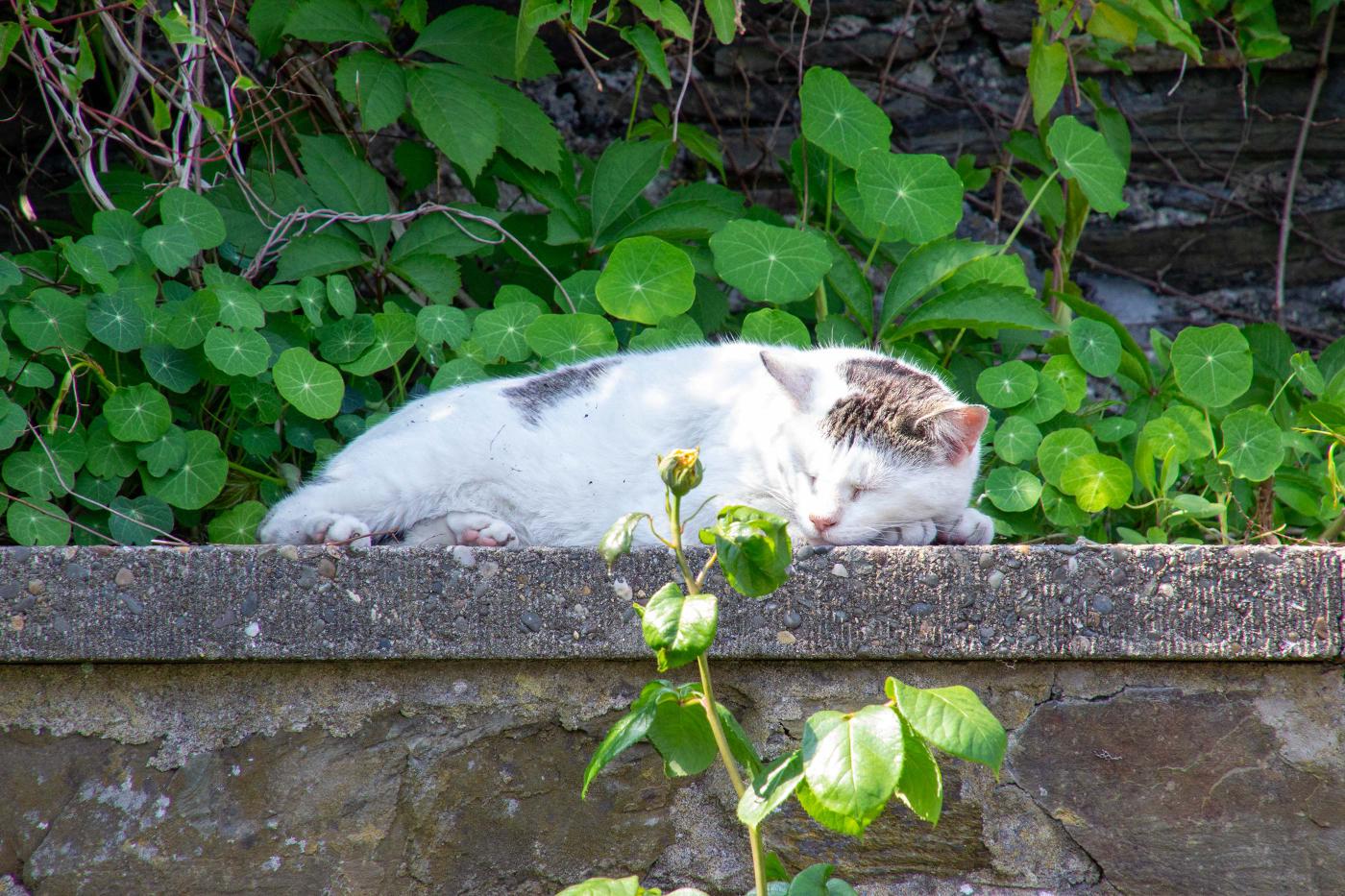
Cat.
Douglas Promenade⌗
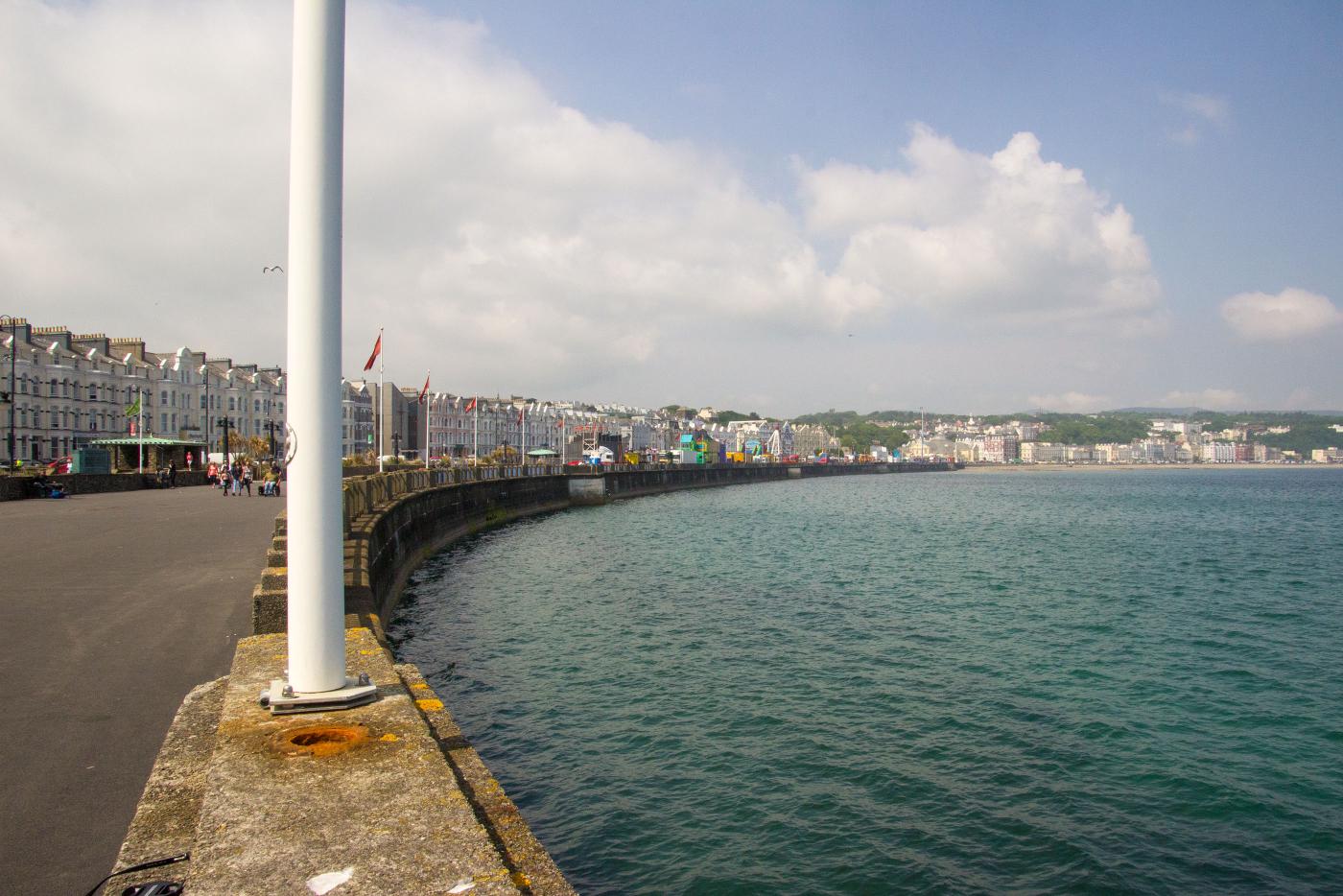
The island’s capital and largest city, Douglas, is situated on a small bay, and features a seafront walkway known as the Promenade. During TT week, many events and shops set up here. The race doesn’t come though here, but this can be considered the city’s downtown.
Tower of Refuge⌗
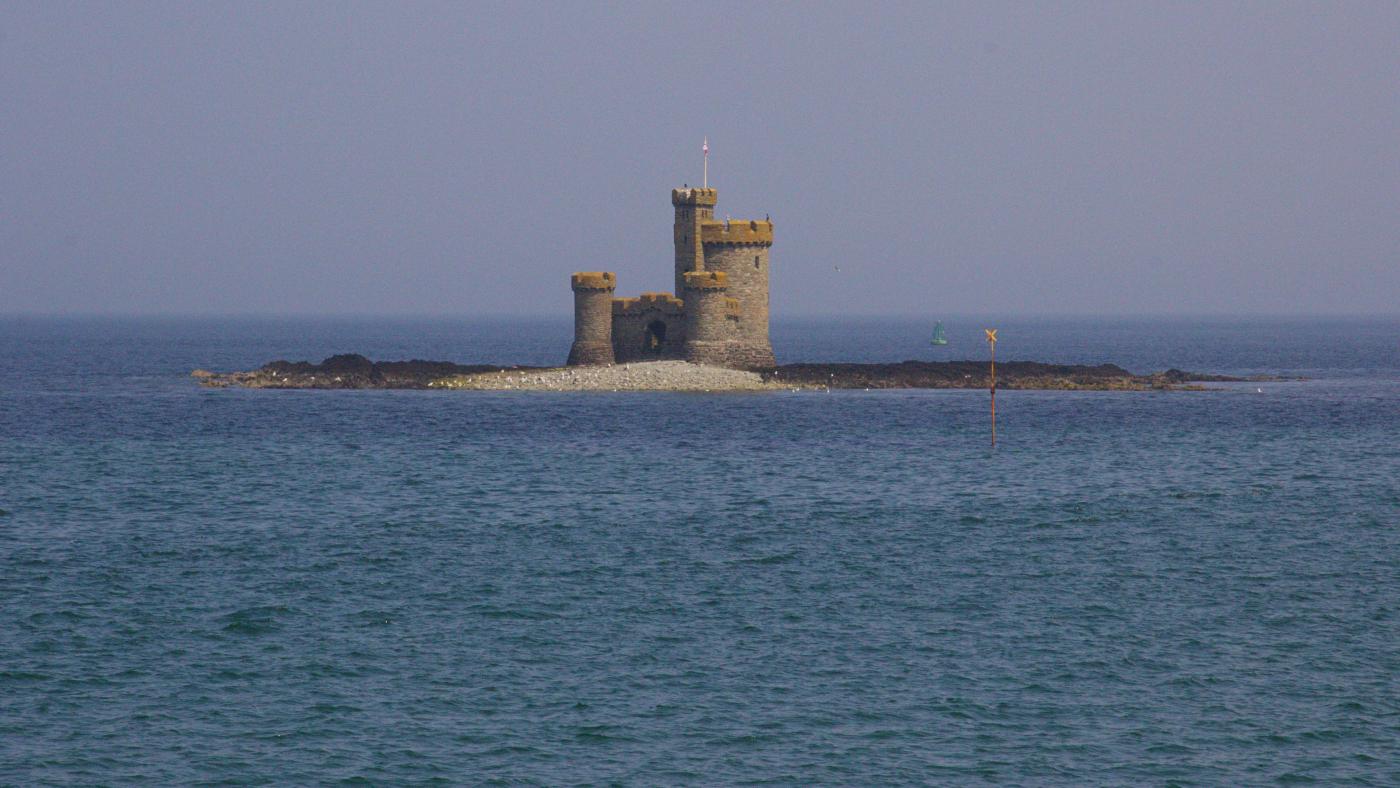
The Tower of Refuge is a short distance out to sea in Douglas Bay, and can be seen from the Promenade. It was built as shelter for shipwrecked sailors. The coastline along Douglas forms a nice bay, but this island, St Mary’s Isle aka Conister Rock, is part of a submerged reef that posed significant risk to ships historically. So, in 1832, the Tower of Refuge was built as a miniature castle as a shelter for shipwrecked sailors.
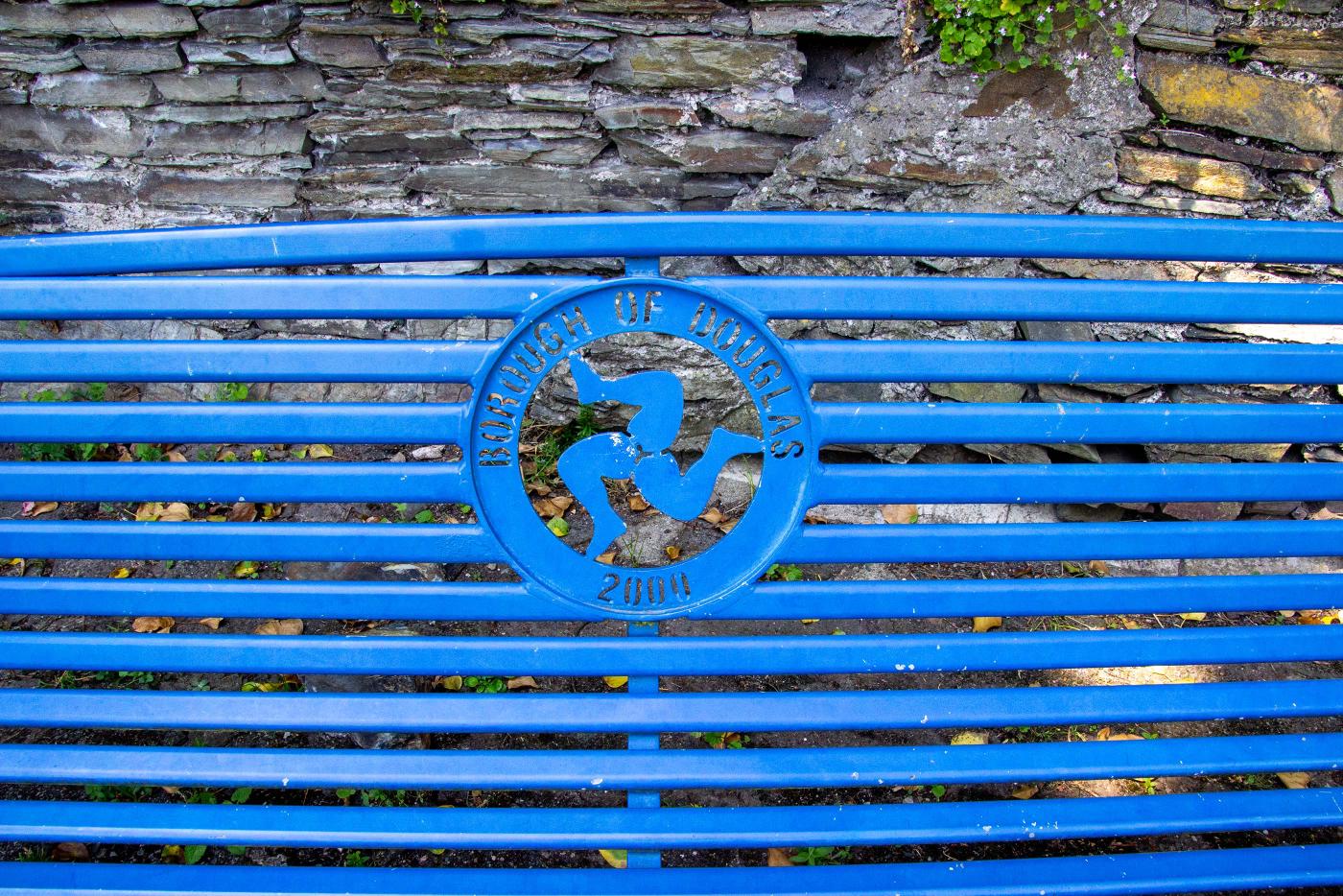
Bench along the Promenade, displaying the Isle of Man’s National symbol, a triskelion.
Suzuki V-Strom⌗
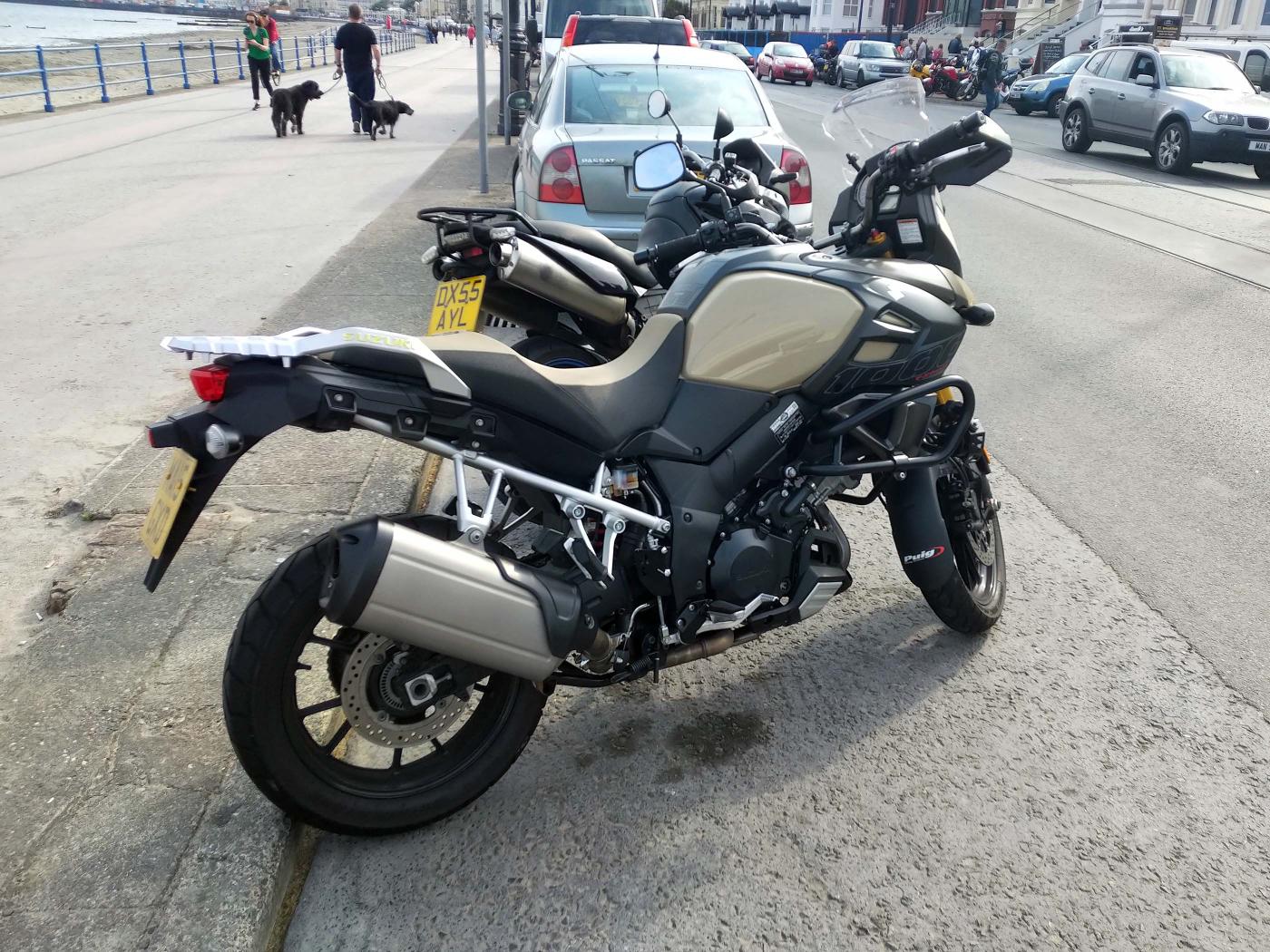
Seen parked along the Promenade. This is the same model of bike I own back home. I don’t see many of them in the wild, probably less than 10 instances since I’ve had it.
Town of Peel, evening⌗
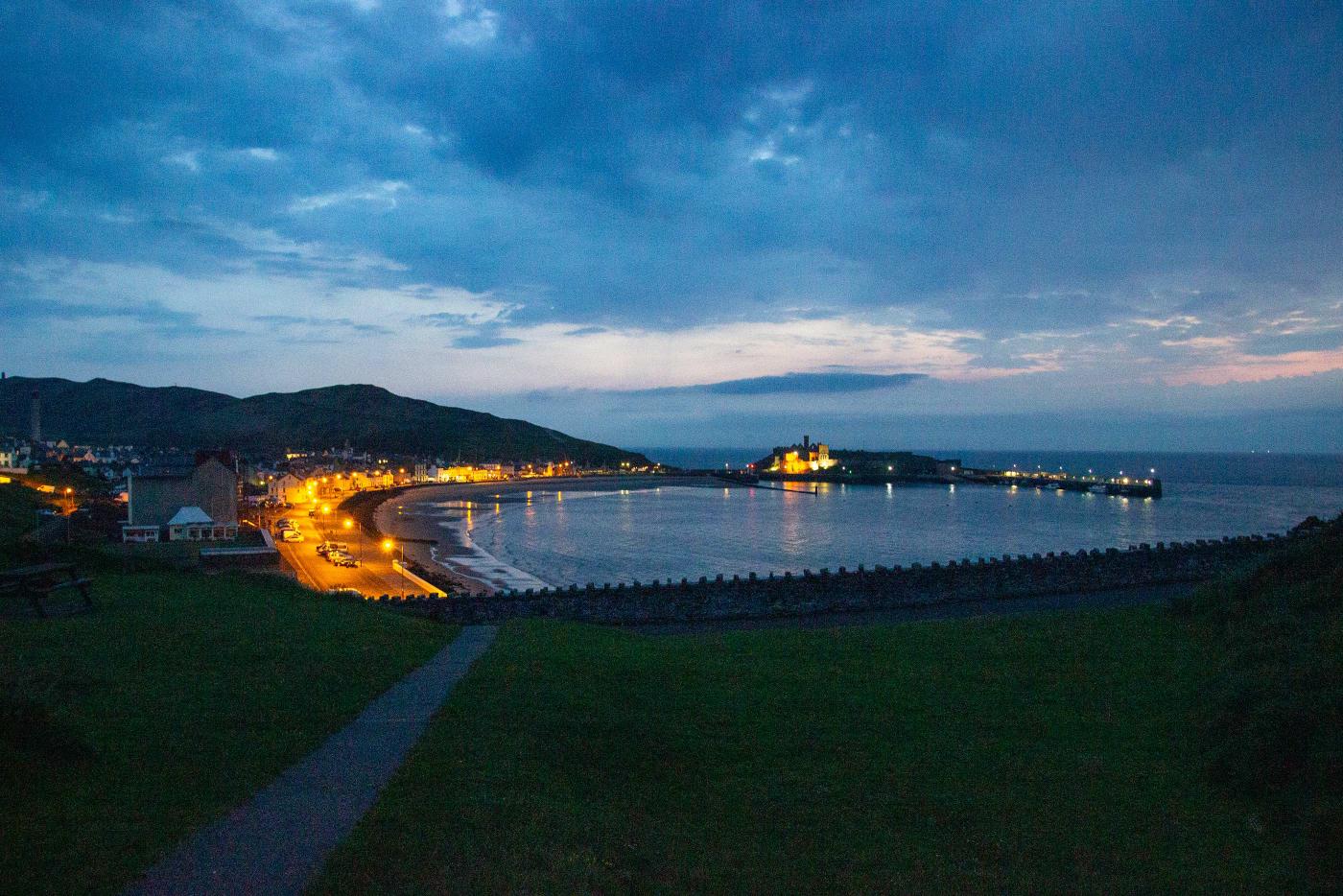
I had rented a room in the town of Peel as mentioned earlier, so I returned here once it became evening. During TT week, the island runs many and frequent bus routes, which made getting around the island really easy, and relatively inexpensive. Peel is on the opposite side of the island compared to Douglas, but it wasn’t a very long bus ride - about 10 miles.
I’m told that the word “peel” in the Manx language - a Gaelic Celtic language spoken by the island’s original inhabitants - means “castle”, and as such, Peel’s bay and coastline is dominated by the ruins of a castle, to the right side of the photo.
same spot overlooking Peel Beach, next morning⌗
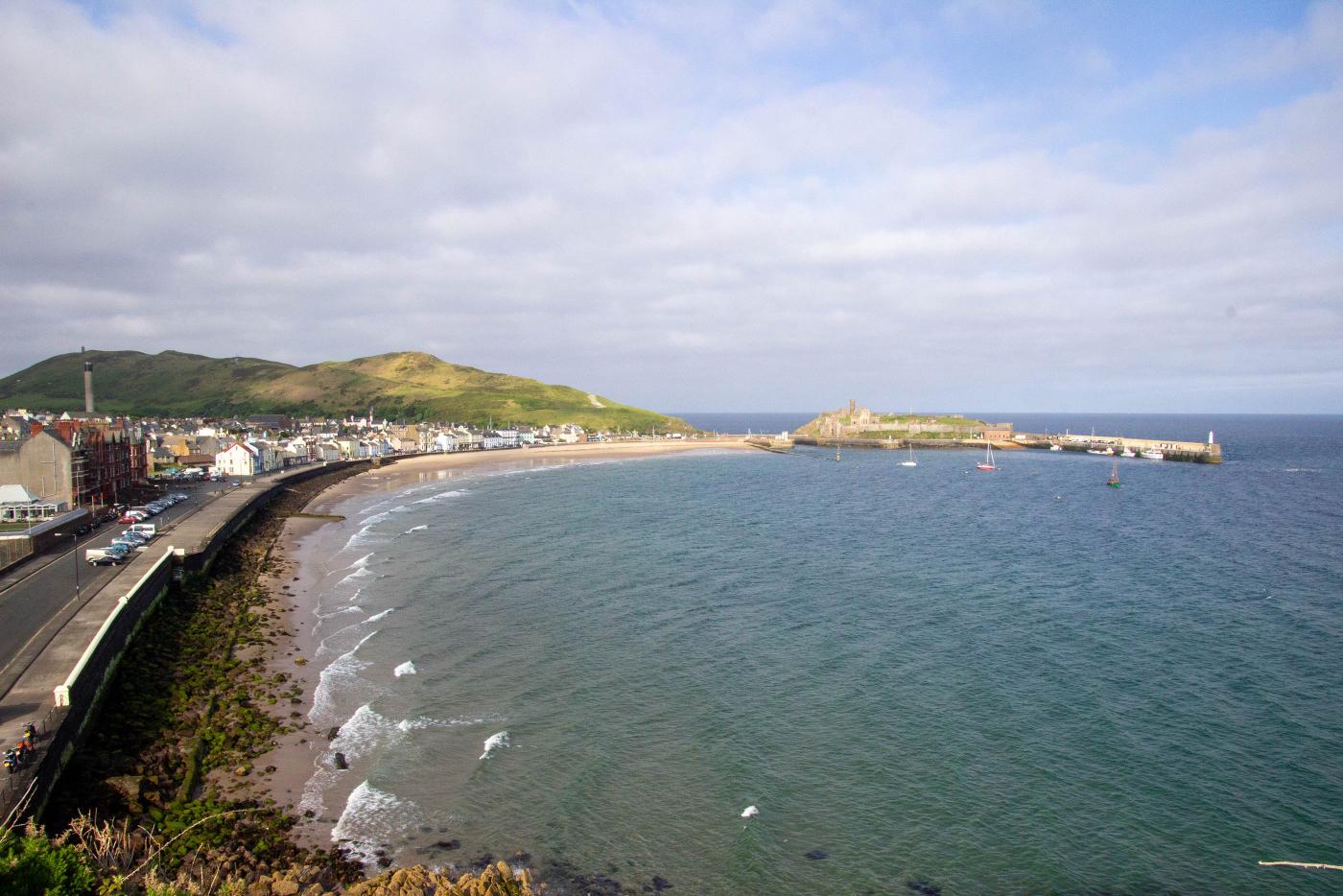
Peel Beach⌗
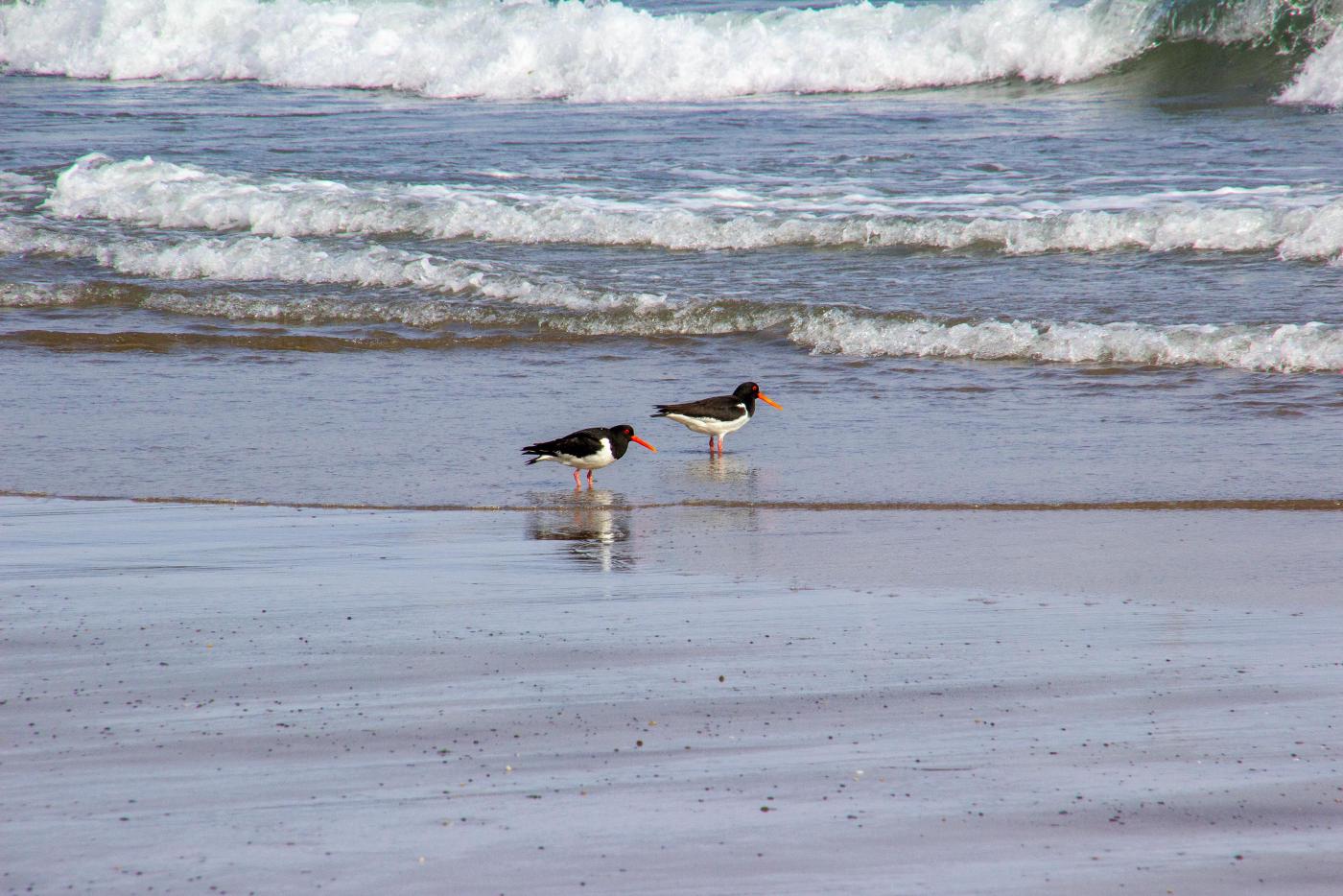
Eurasian Oystercatchers on Peel’s beach.
Peel Lighthouse⌗
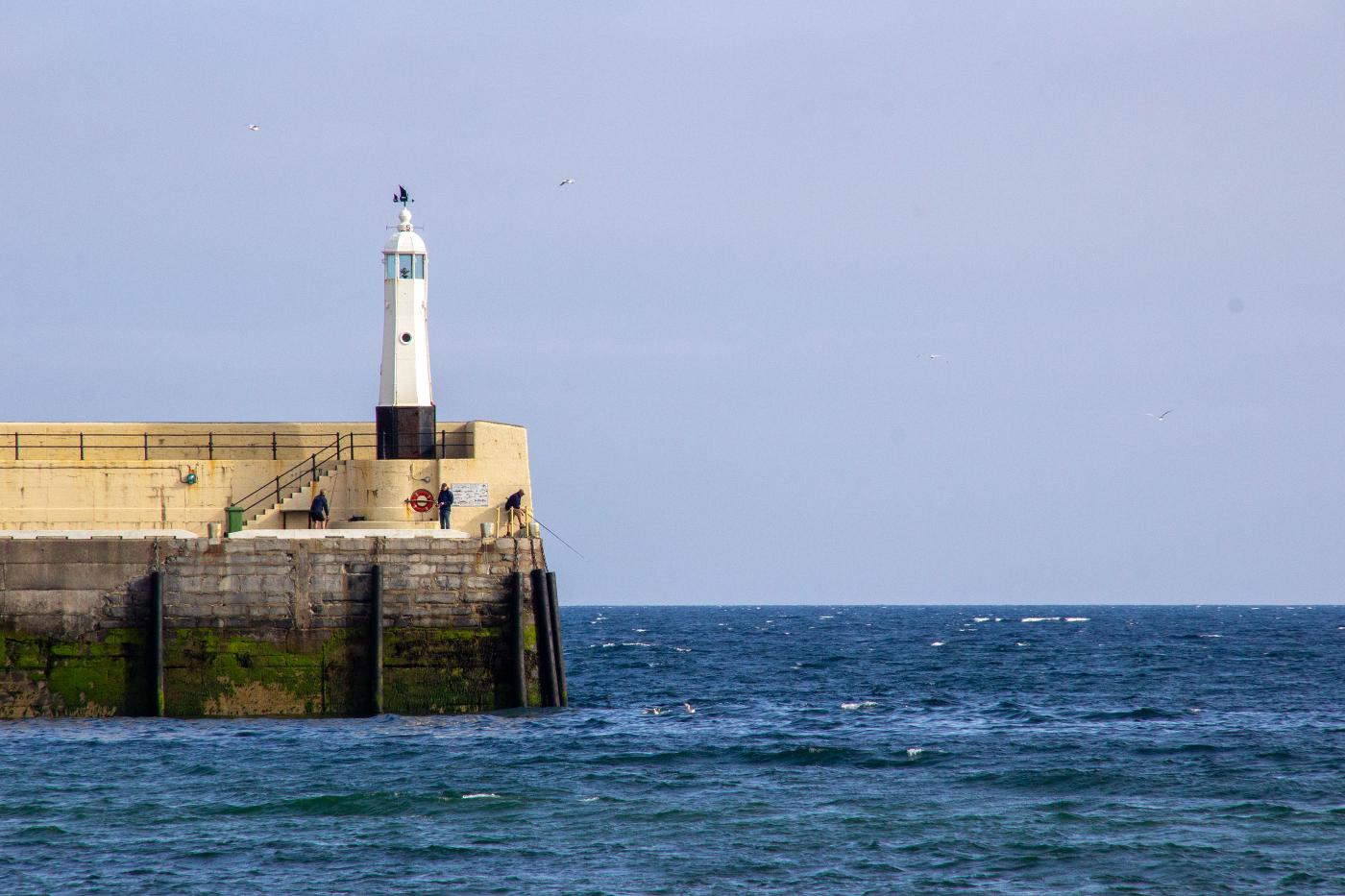
A small lighthouse on the breakwater that protects Peel’s marina.
Peel Castle⌗
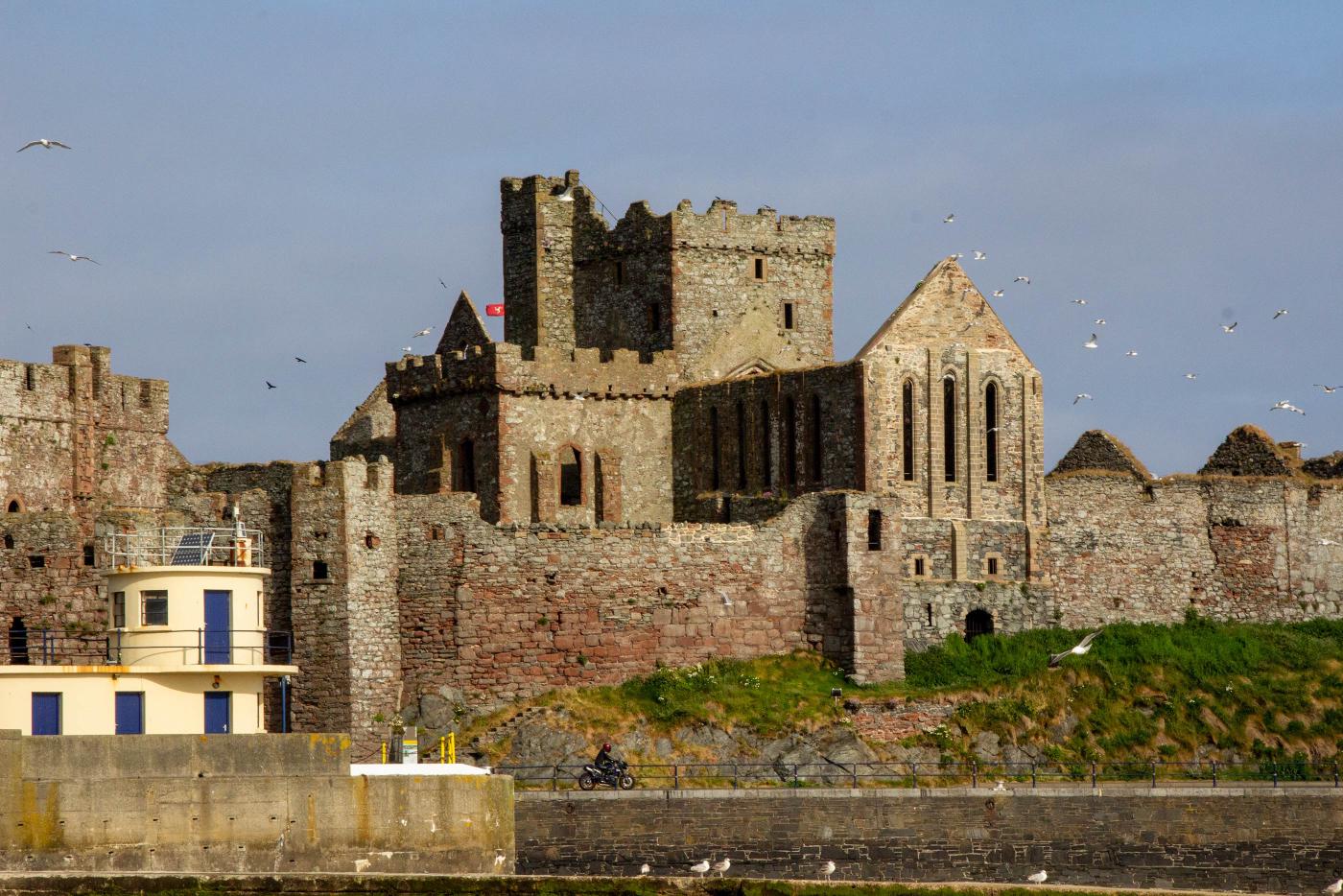
Seen from Peel Beach. Nice sunlight this morning.
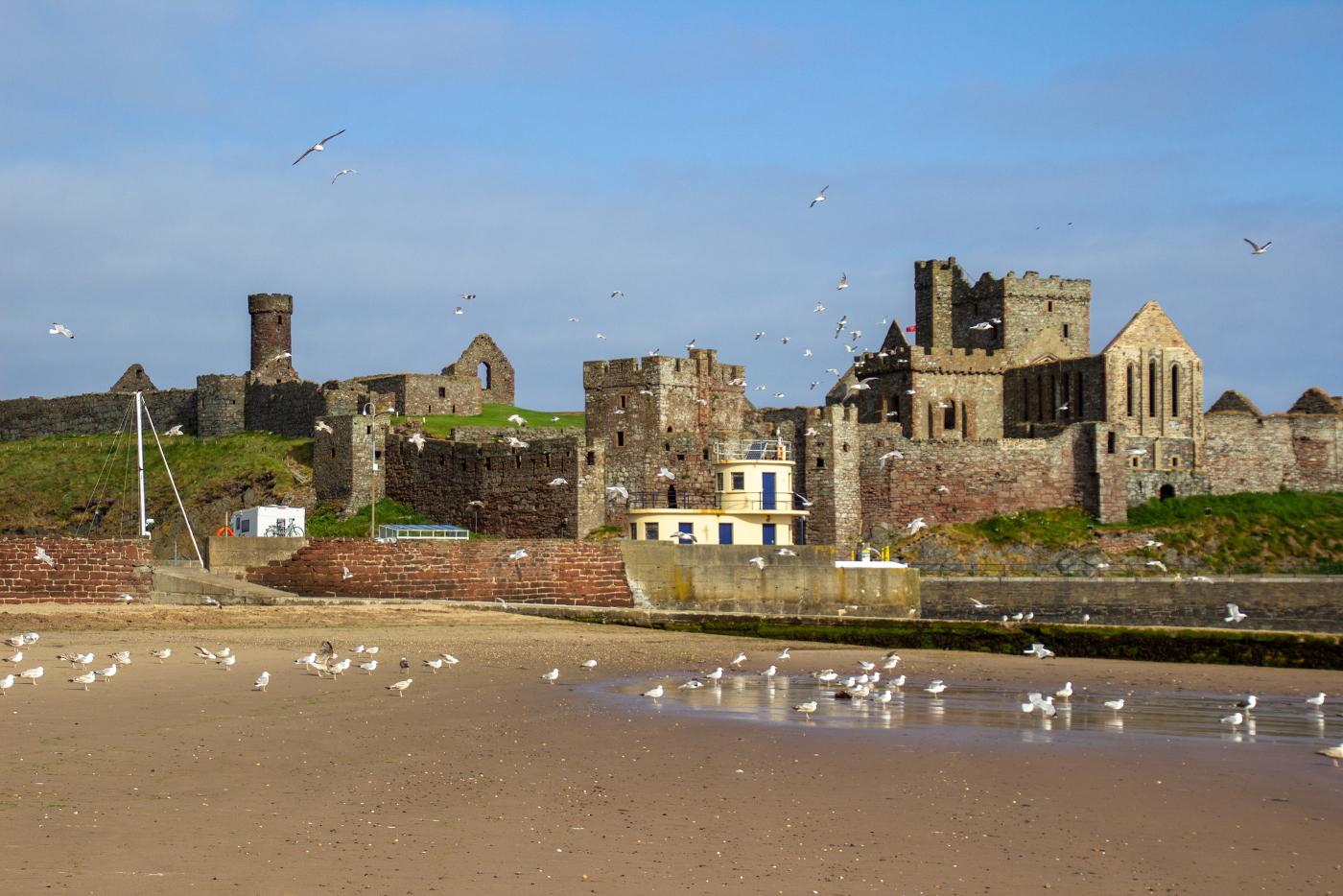
A wider shot.
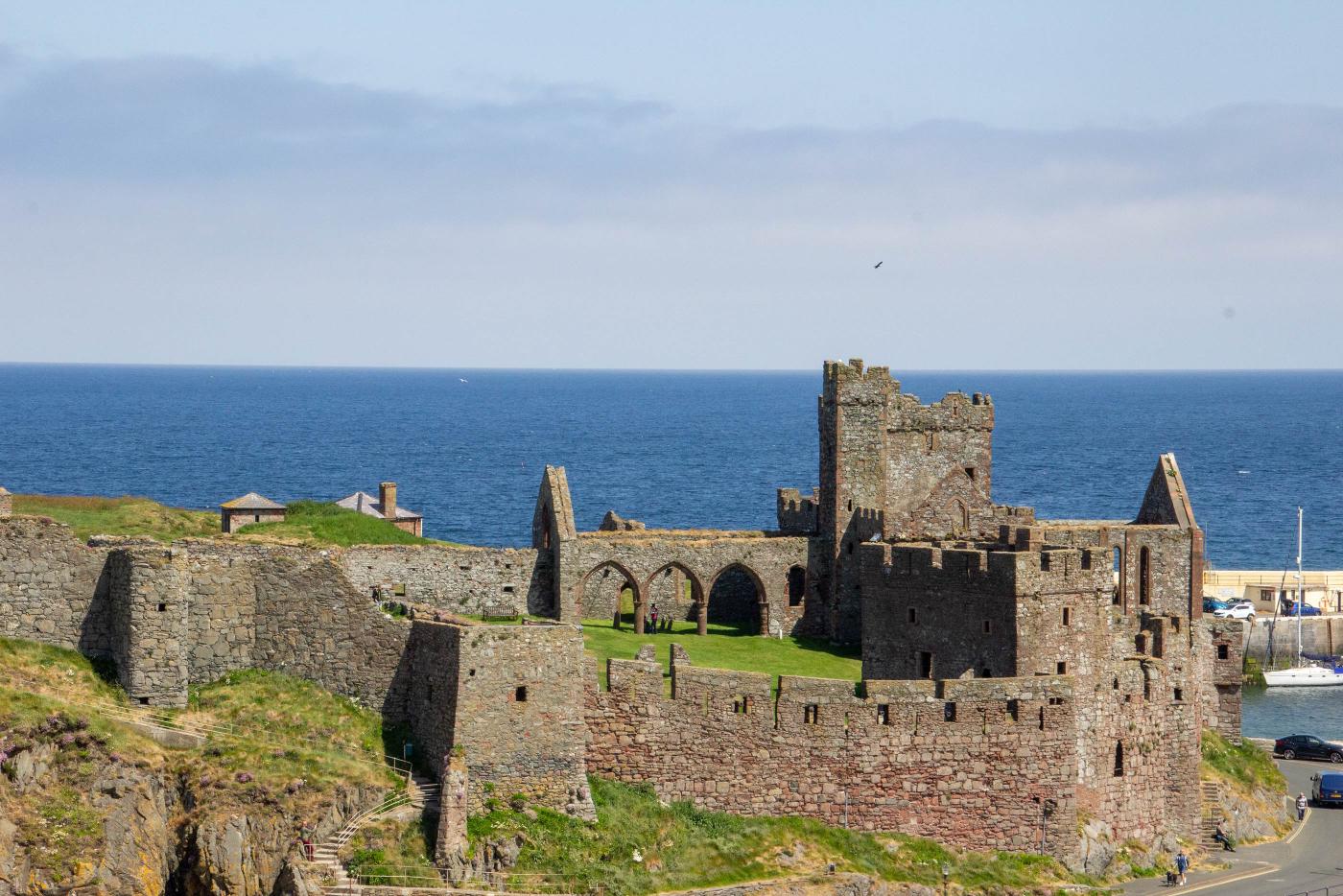
Looking into the castle’s courtyards from a nearby hill.
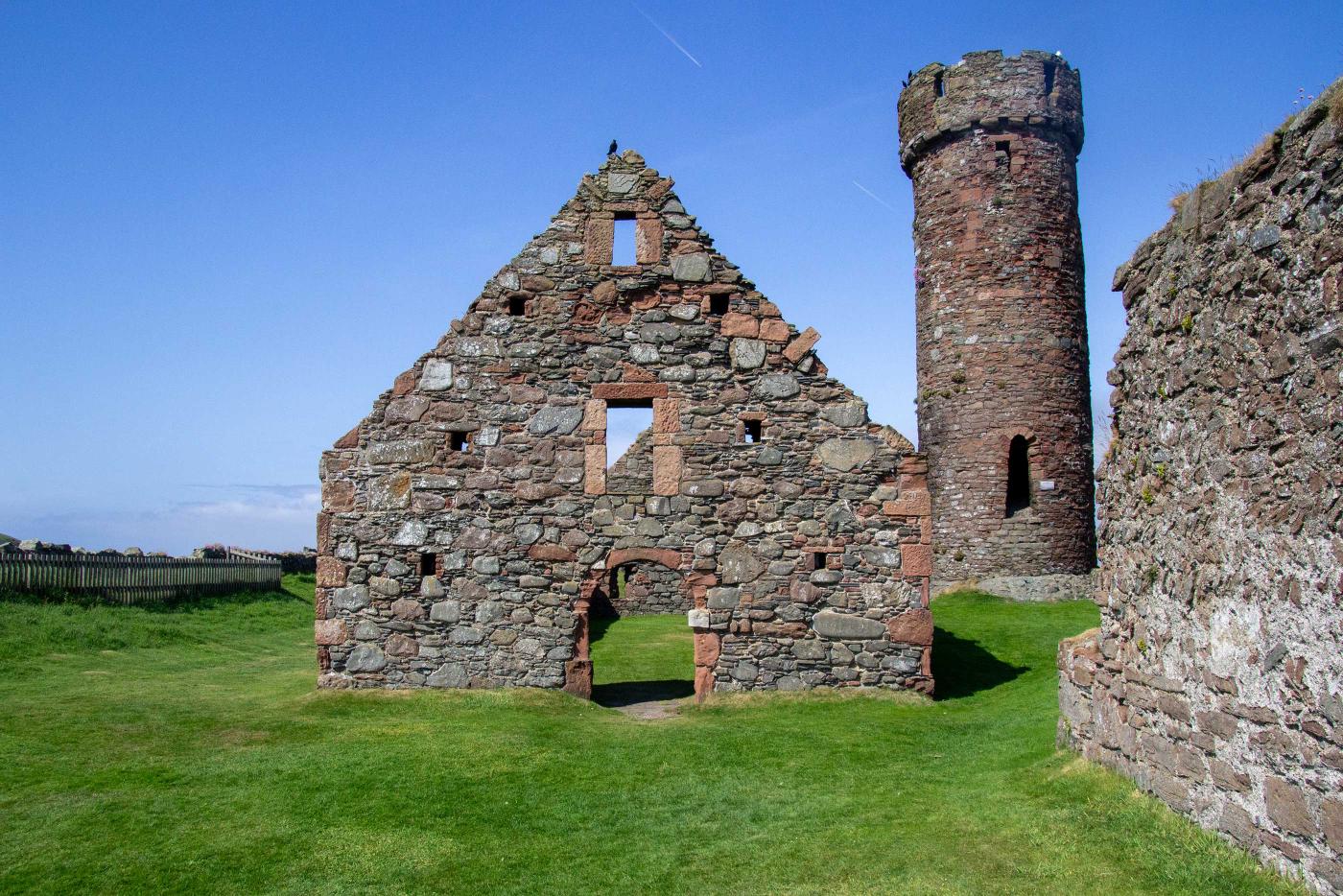
Inside the castle.
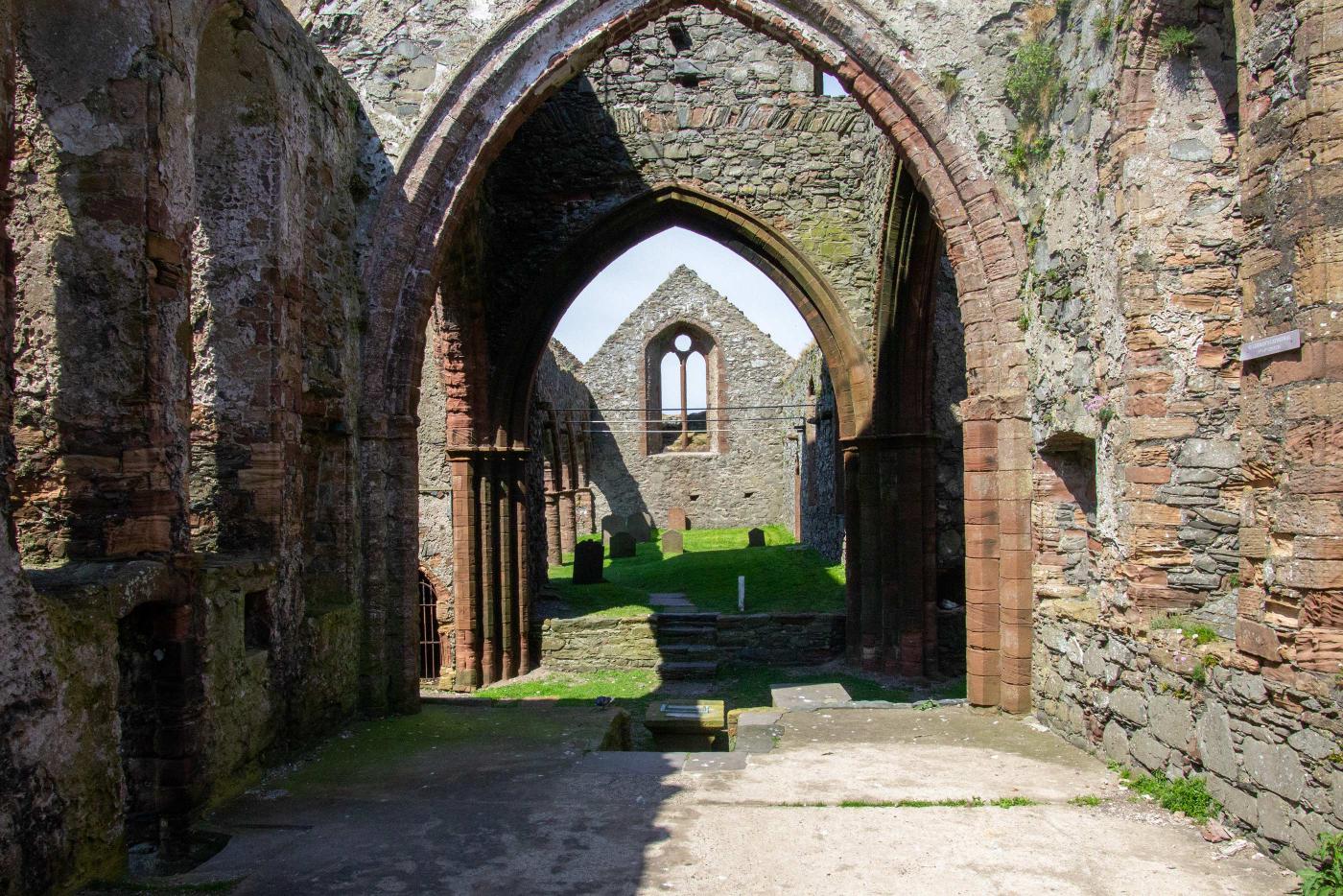
Further inside the castle.
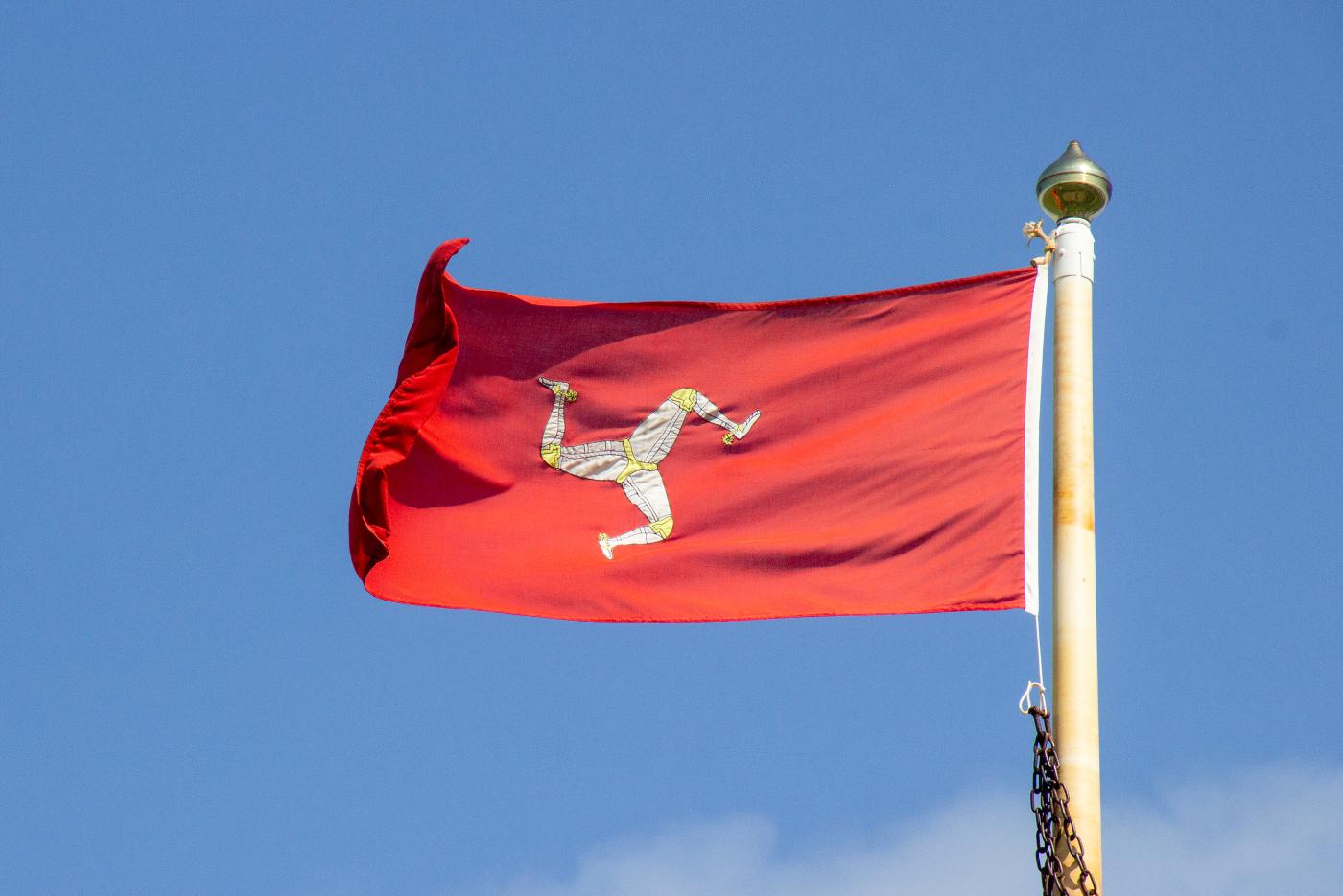
Another triskelion flying above the castle.
Coast Guard station⌗
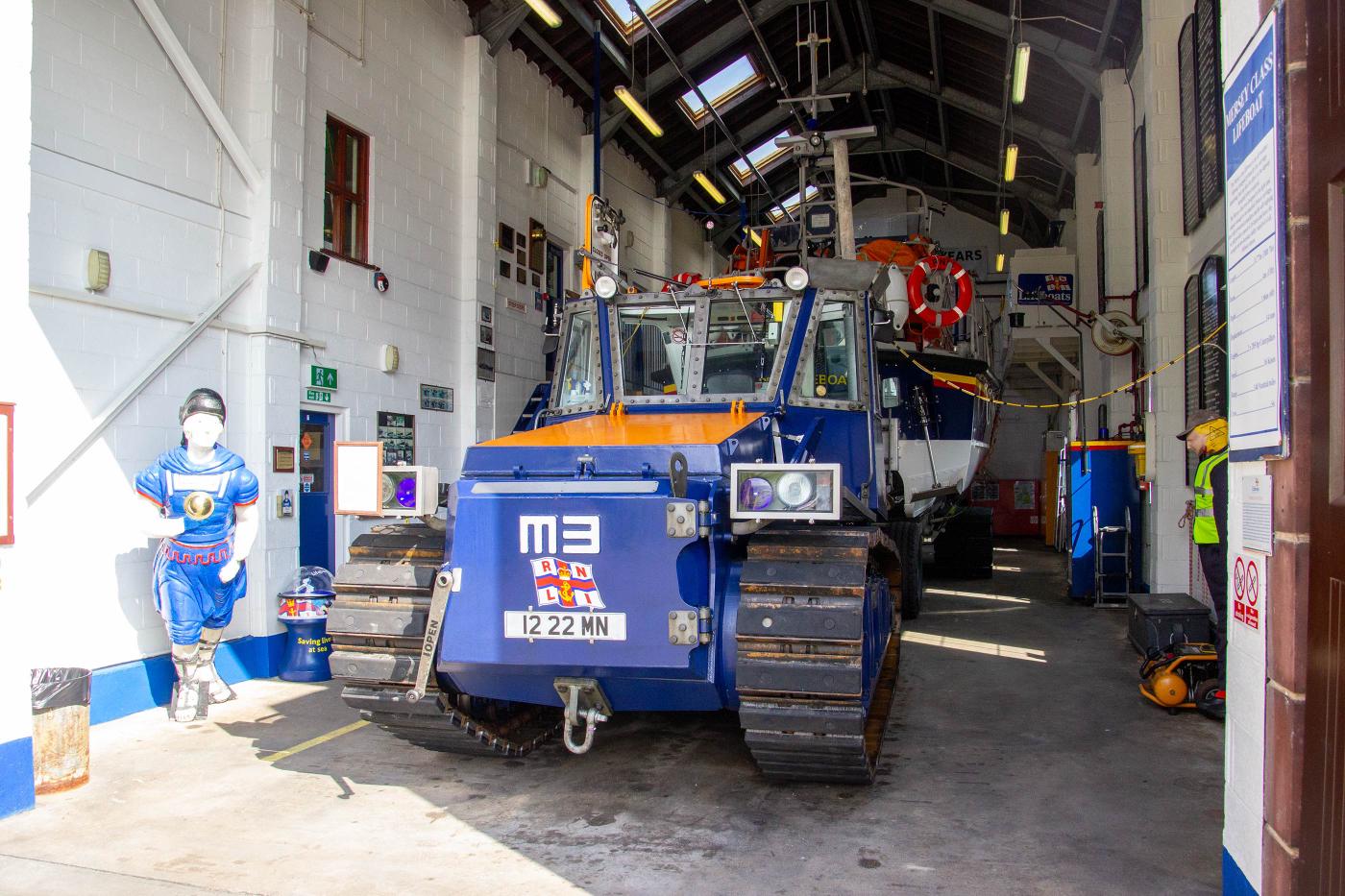
The island’s Coast Guard operates a station on Peel beach. Here, they have a lifeboat to assist ships in distress. On a moment’s notice, the boat is moved out of this enclosure and down a ramp into the sea. The tractor in the foreground is a Talus MB-H amphibious tractor.
Peel, from above⌗
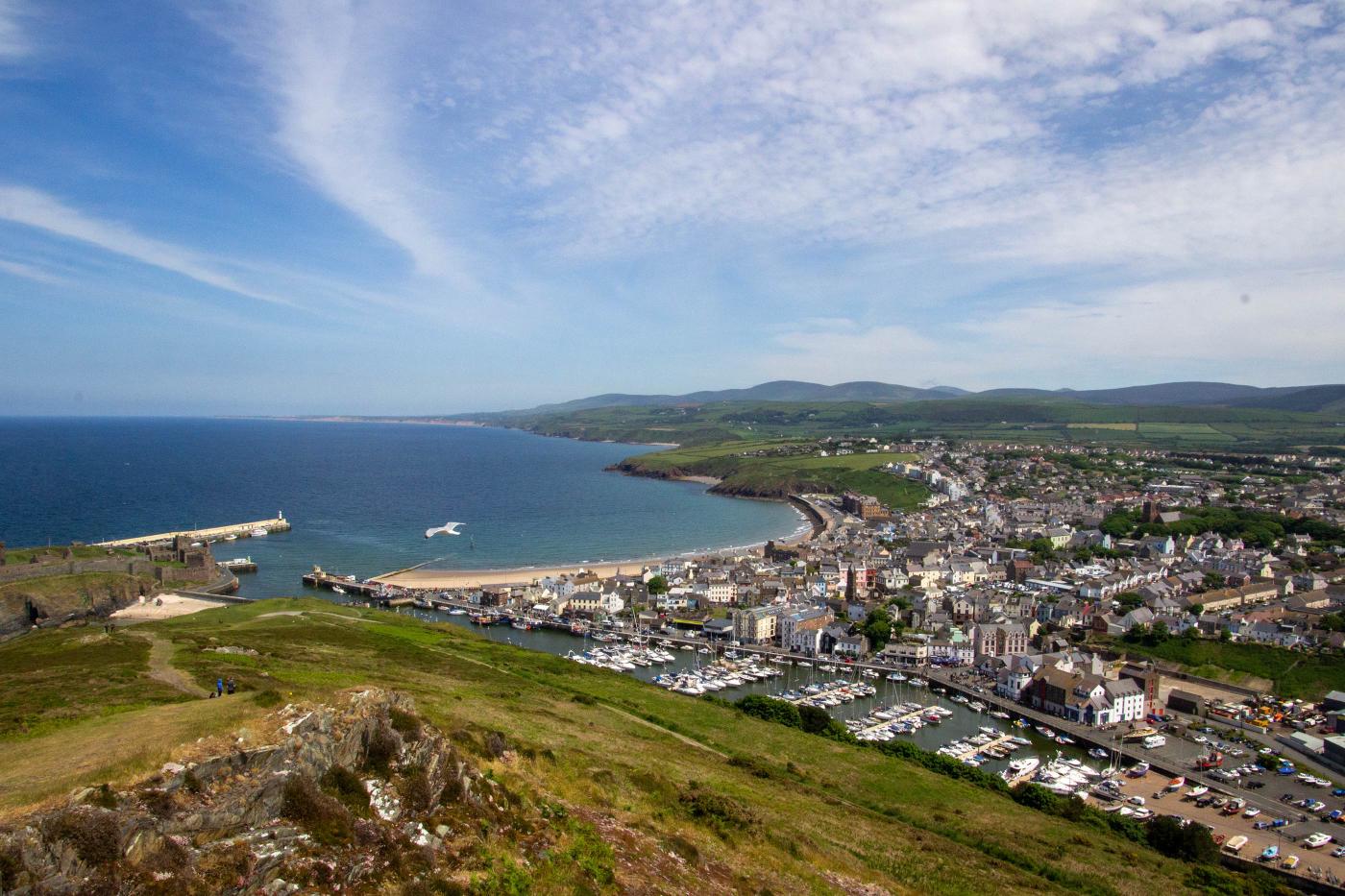
There is a large hill on the west side of Peel that gives a great vantage point to see the town from above. Looking northeast.
hiking from Peel⌗
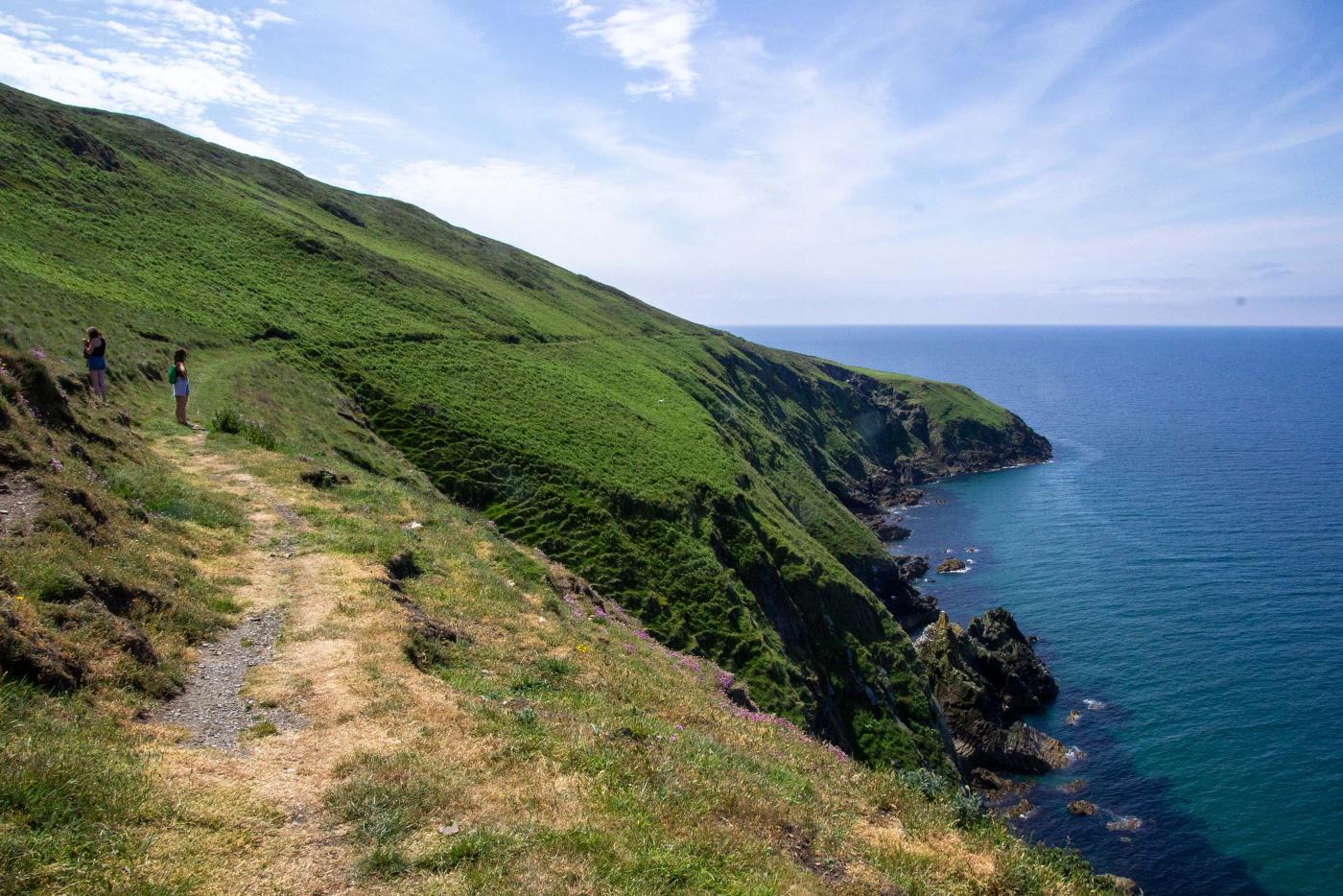
There is a hiking trail that encircles the island, known as the Coastal Path. I walked a portion of it departing from Peel. A large percentage of the island’s coastline is impassable rocky cliffs like this, which makes the land of little use beyond farming.
livestock gate⌗
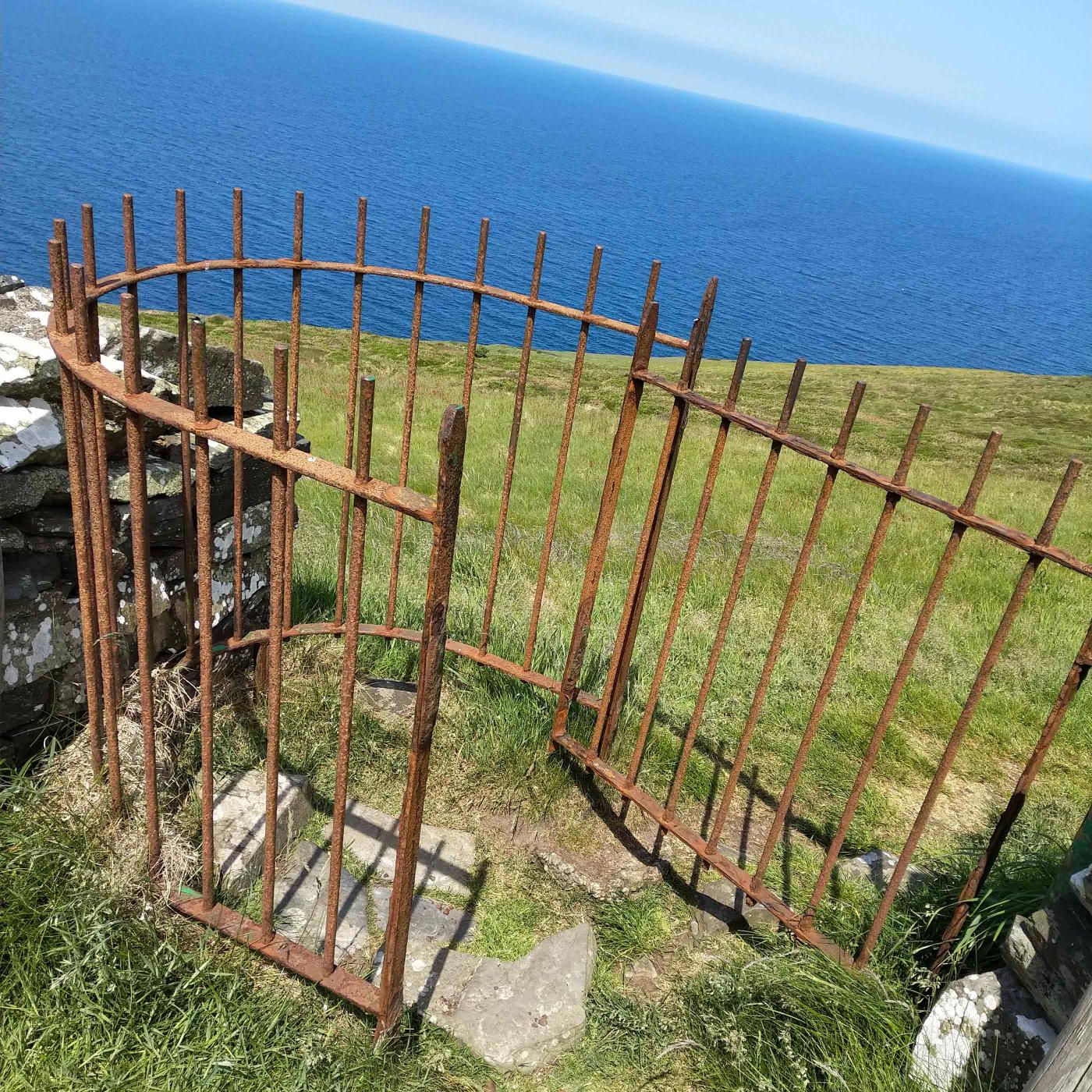
While the hiking trail is public, it passes through many different farms, each separated by short rock walls. These peculiar gates are installed along the wall to allow hikers to pass though. The gate is designed with an unlatched and movable swinging portion in the center. It’s shaped such that a livestock animals - sheep and goats were common - cannot pass through the gate, but humans can.
Ramsey, another race day⌗
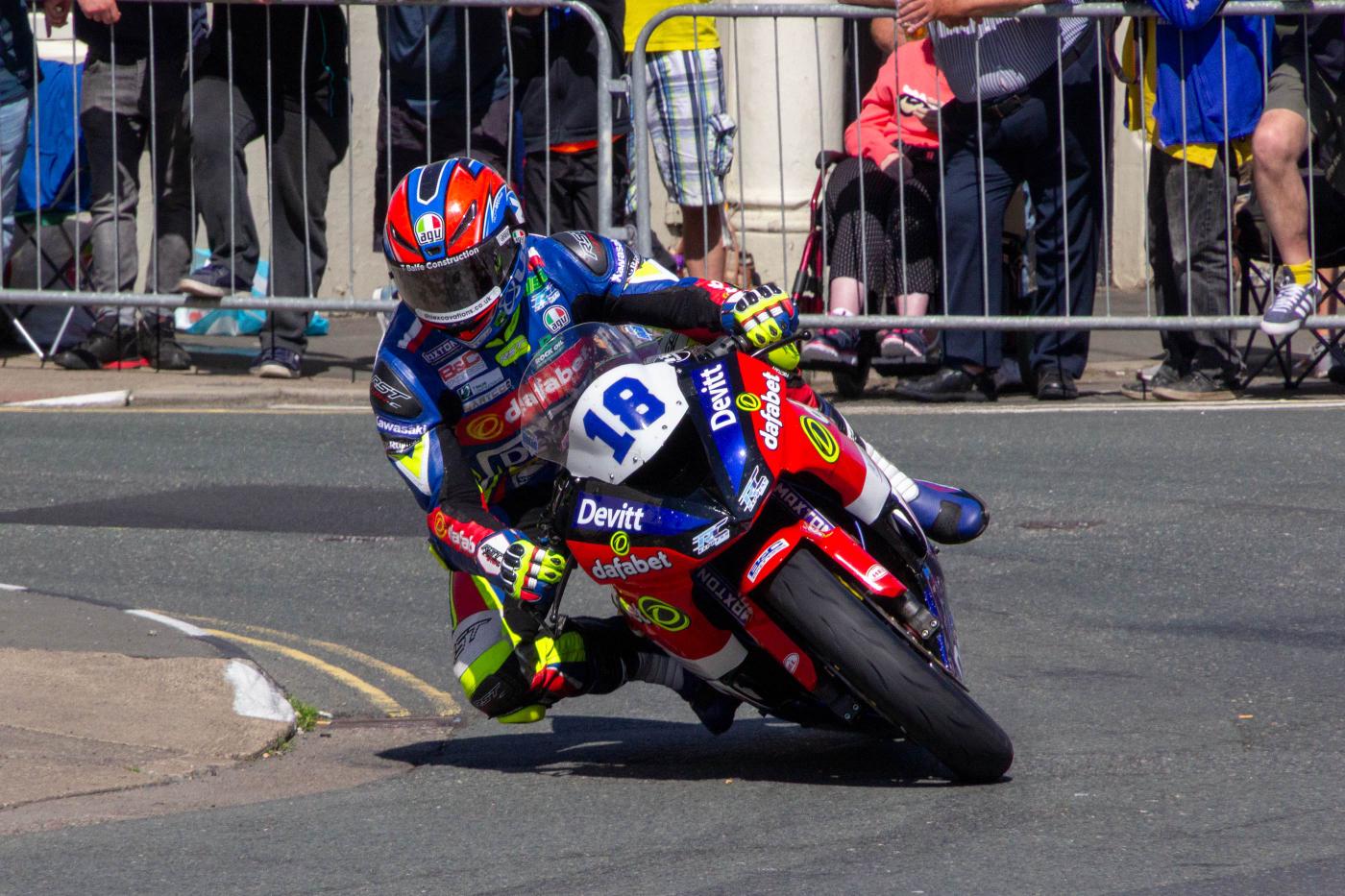
The next day, I found my way to the town of Ramsey, near the north end of the island. My impression of Ramsey is that it is more of a blue-collar working town, particularly around the fishing industry.
Conrod’s⌗
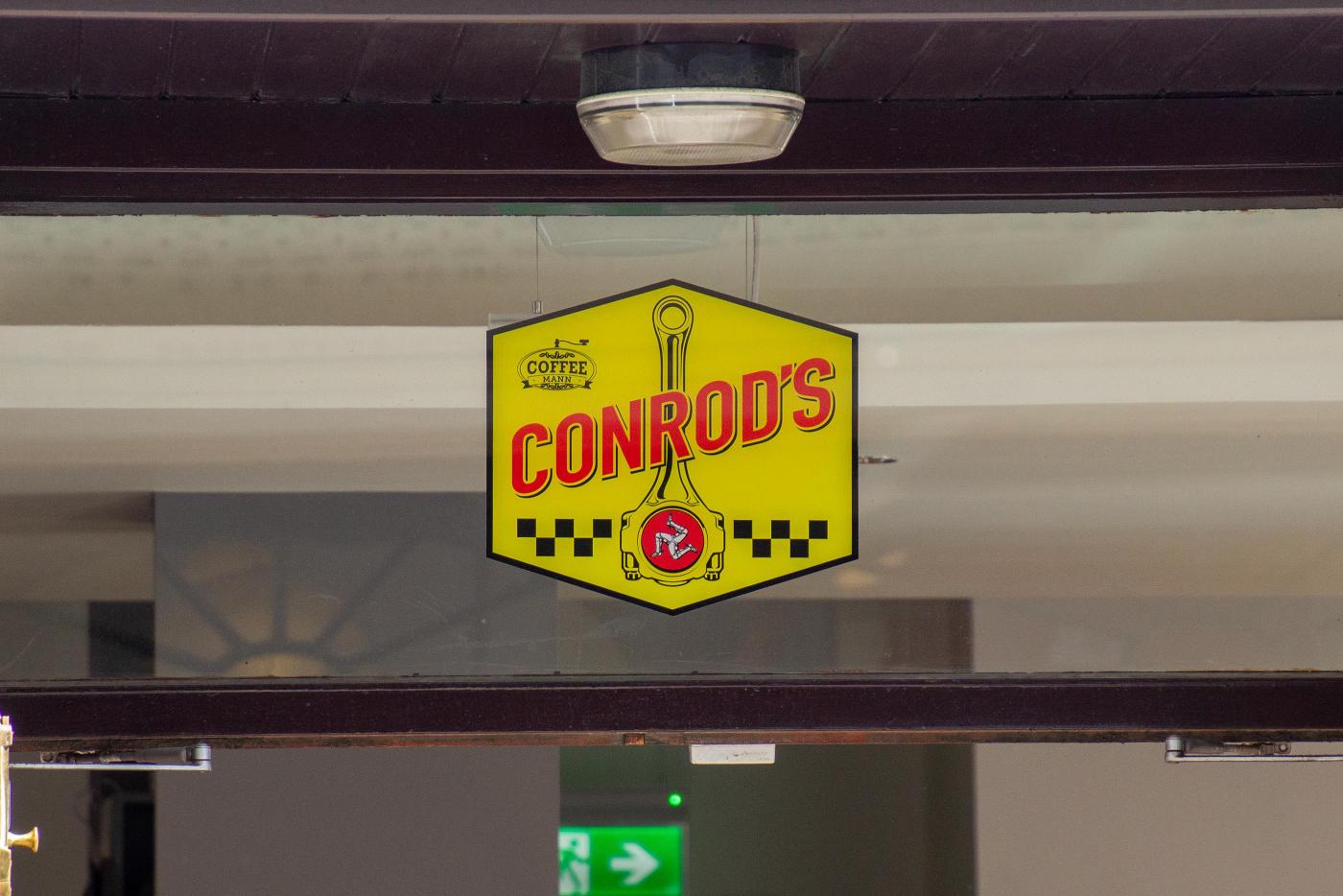
I saw this cute and on-theme coffee shop, sign complete with engine parts and another triskelion.
action!⌗
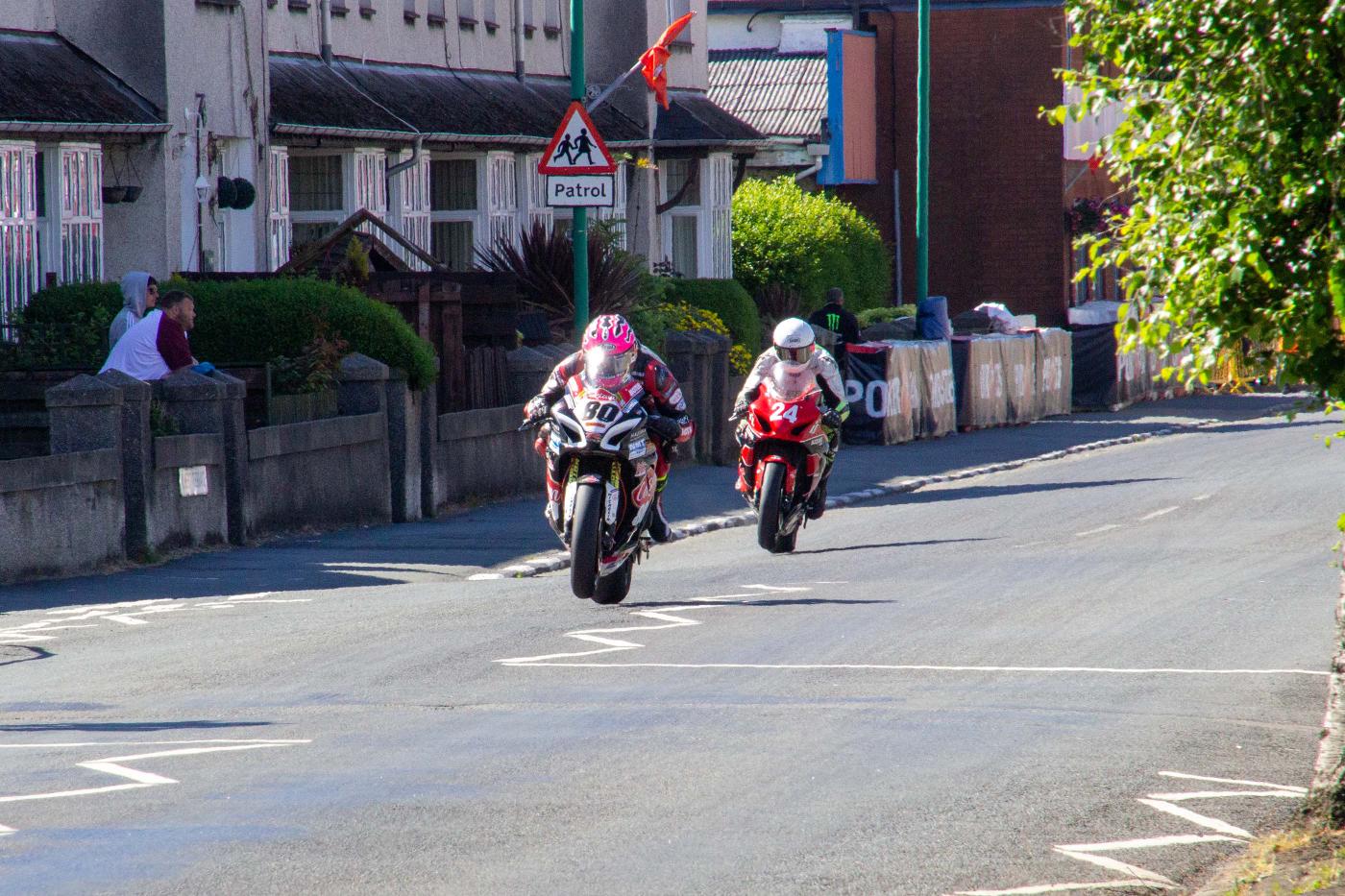
Ramsey was a great place to watch from, featuring several straightaways and hairpin corners.
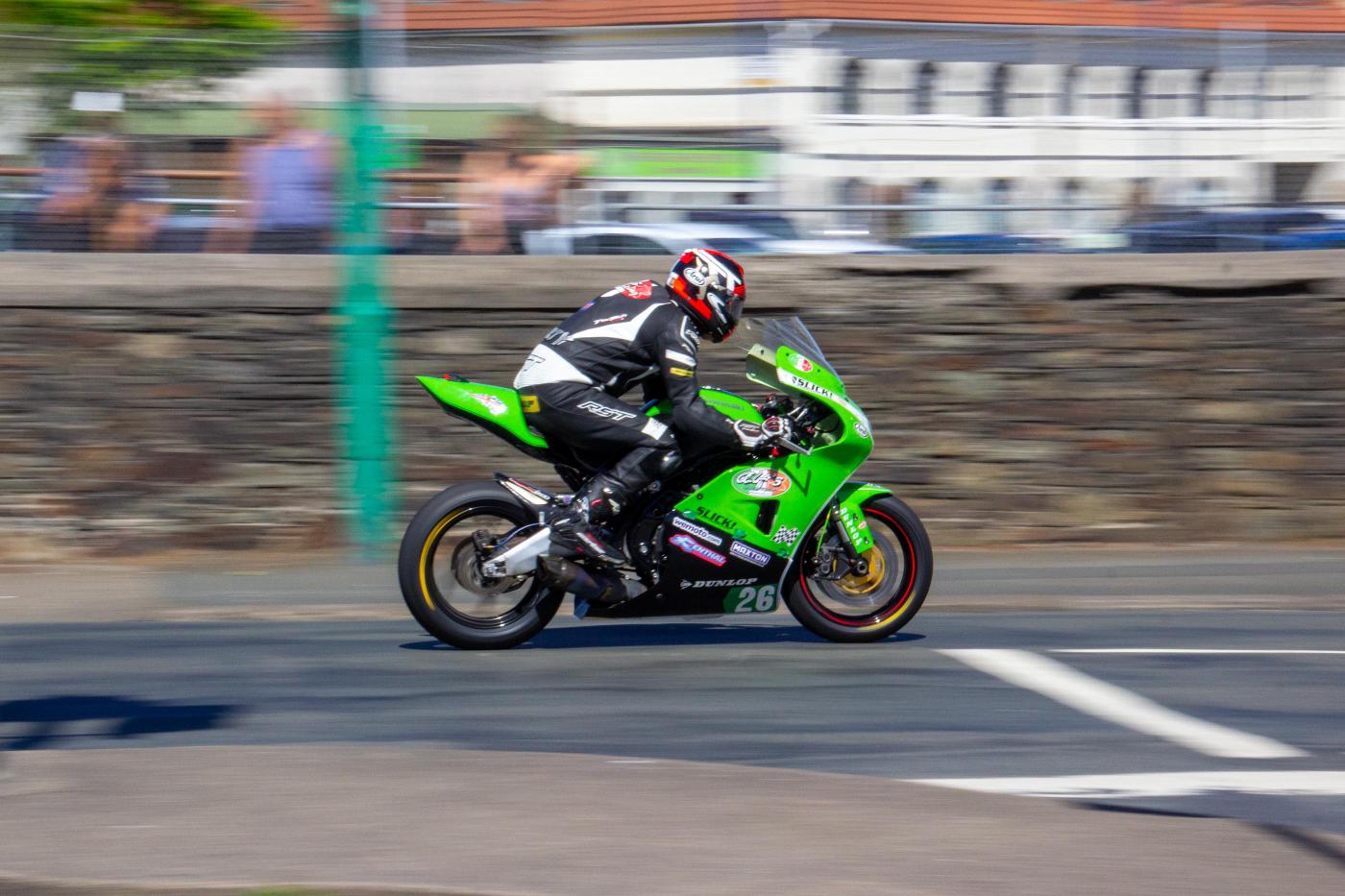
One particular corner had a pub’s outdoor seating area situated in it. It was a great place to watch the bikers whiz by, mere inches away, while you were being served food and drink.
Isle of Man Motor Museum⌗
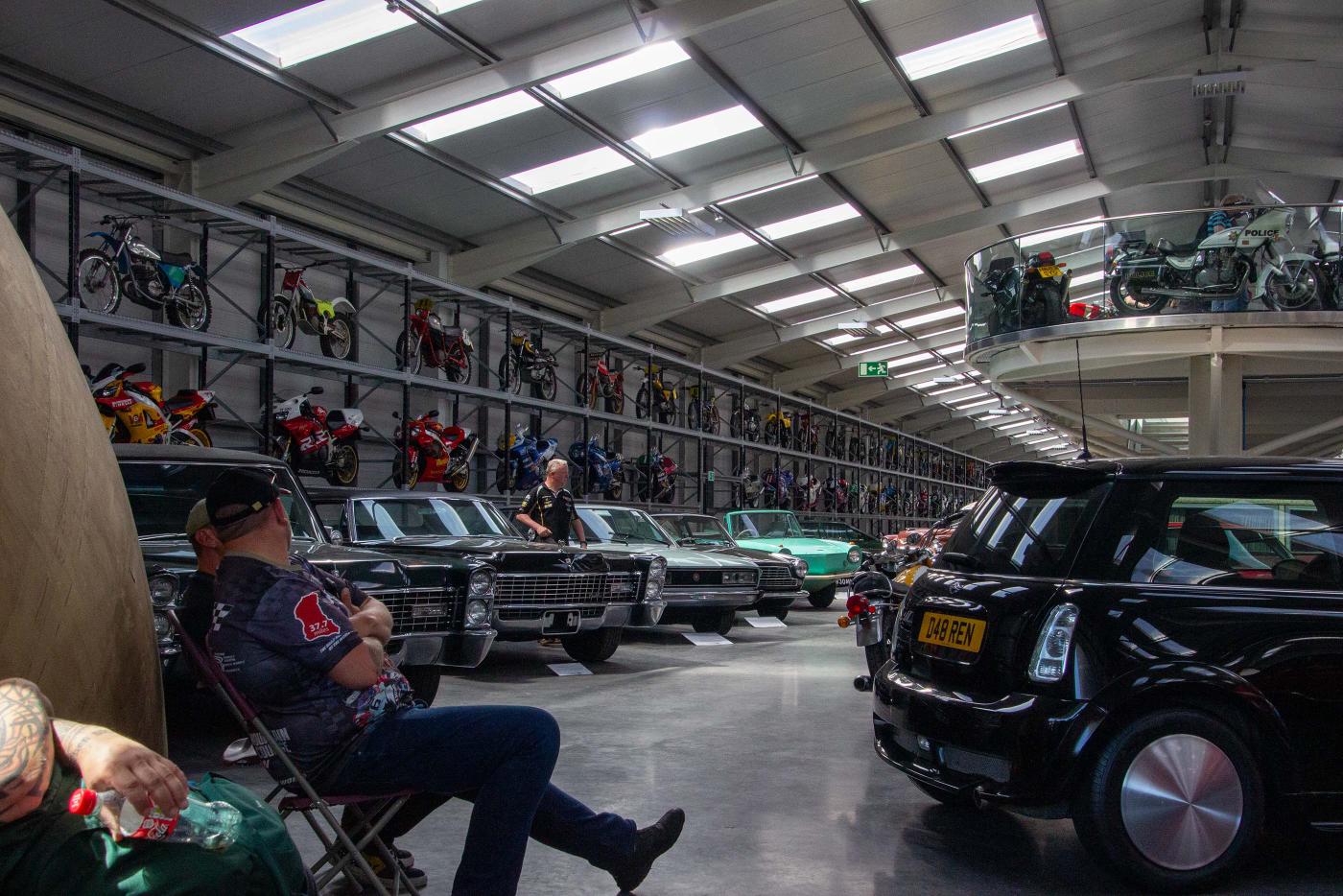
Located relatively close to Ramsey is the Isle of Man Motor Museum. Its indoor showroom features countless rare - but also some common - cars, trucks, motorcycles, military equipment, and other vehicles. Active restoration work was going on within the museum’s workshops as well.
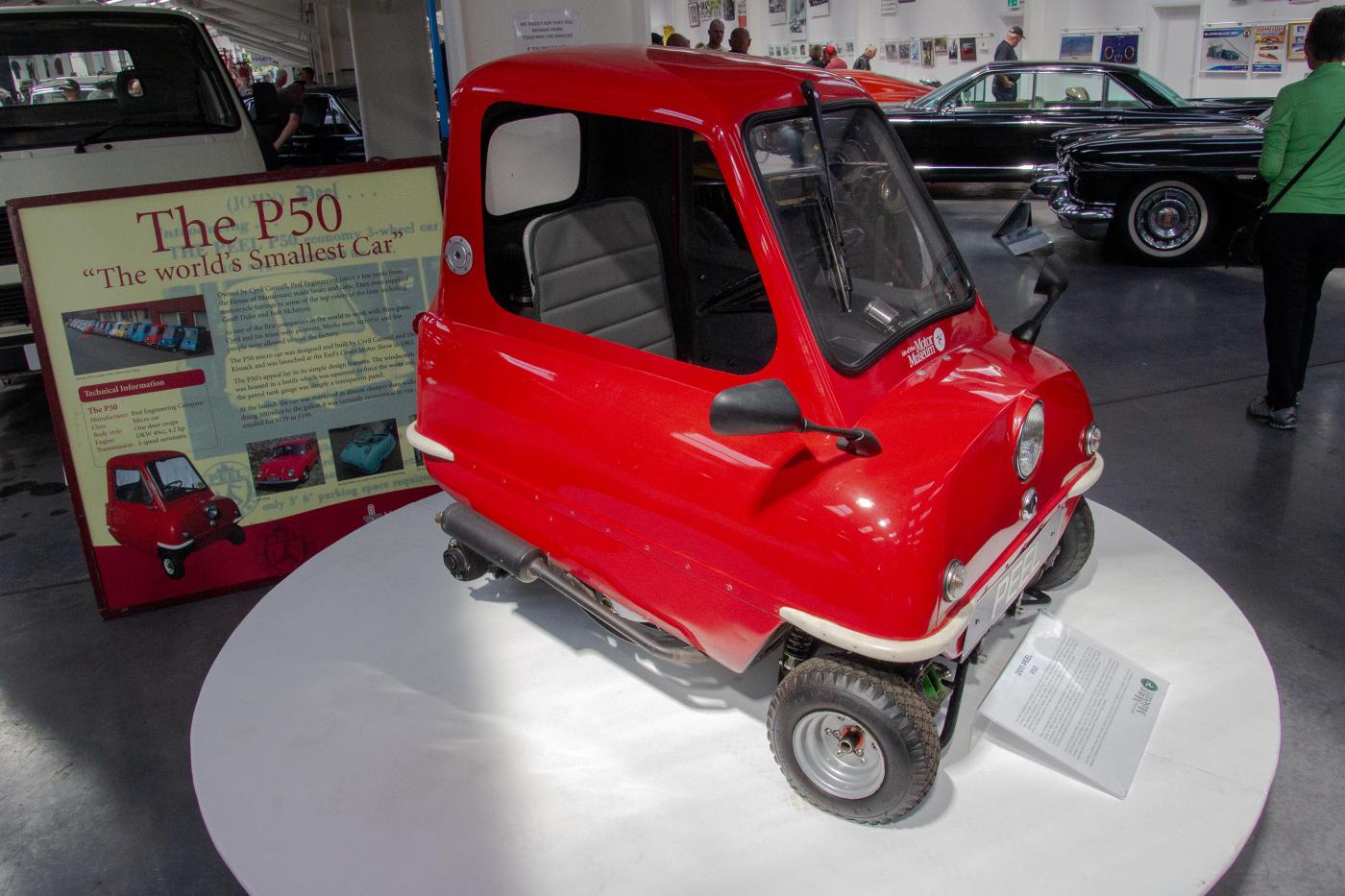
The Peel P50 - as seen on Top Gear - claimed the title of being the smallest production car in the world could also be seen here.
under the Queen’s Pier⌗
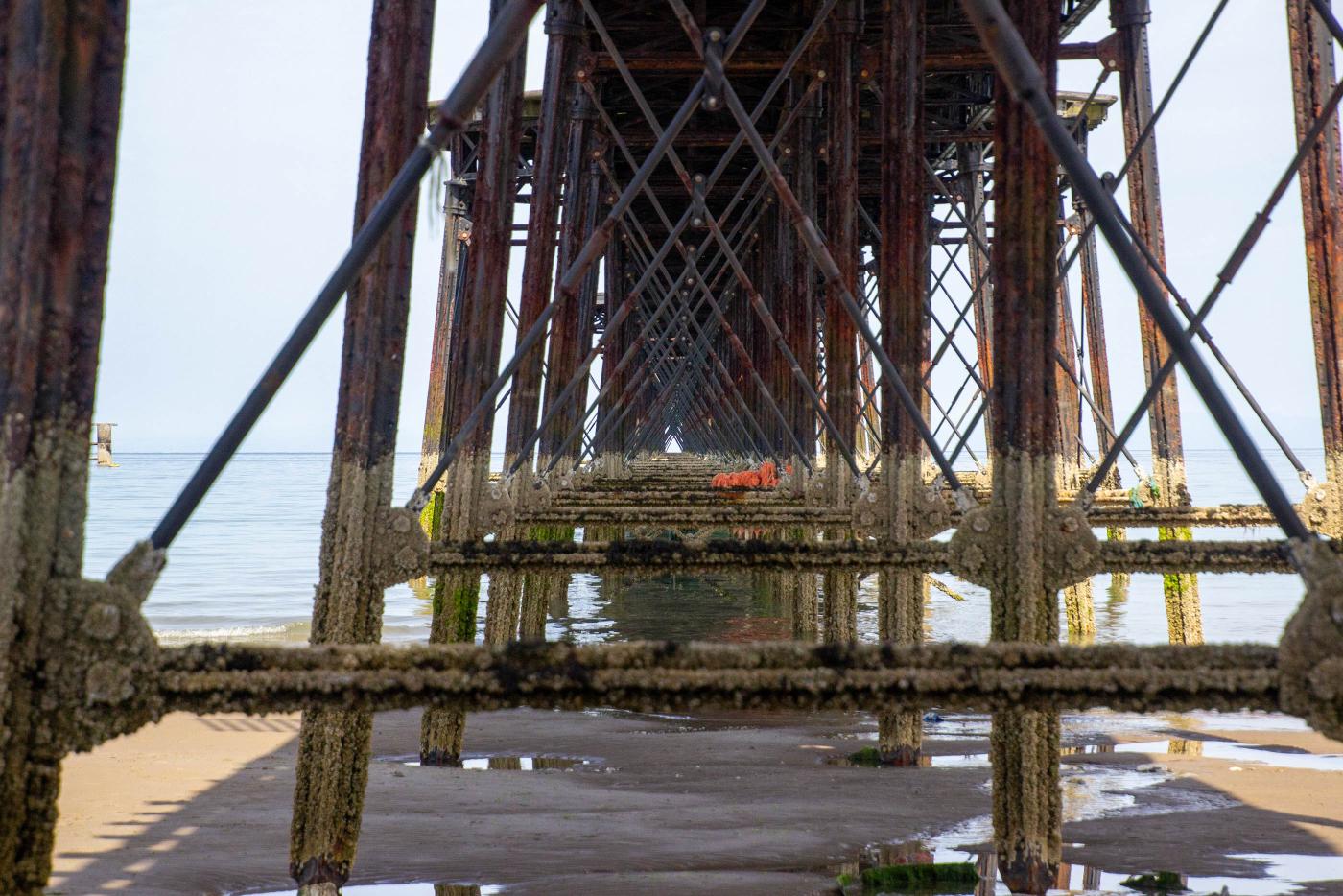
The Queen’s Pier in Ramsey was built in the 1880s as a place for ships to pick up and drop off passengers. It was closed in the 1990s due to safety concerns and remained closed for about 25 years. At the time of my visit, restoration work was just getting started, and the pier has since reopened.
Towards the bottom of the photo, you can see how rusted out the metal supports are.
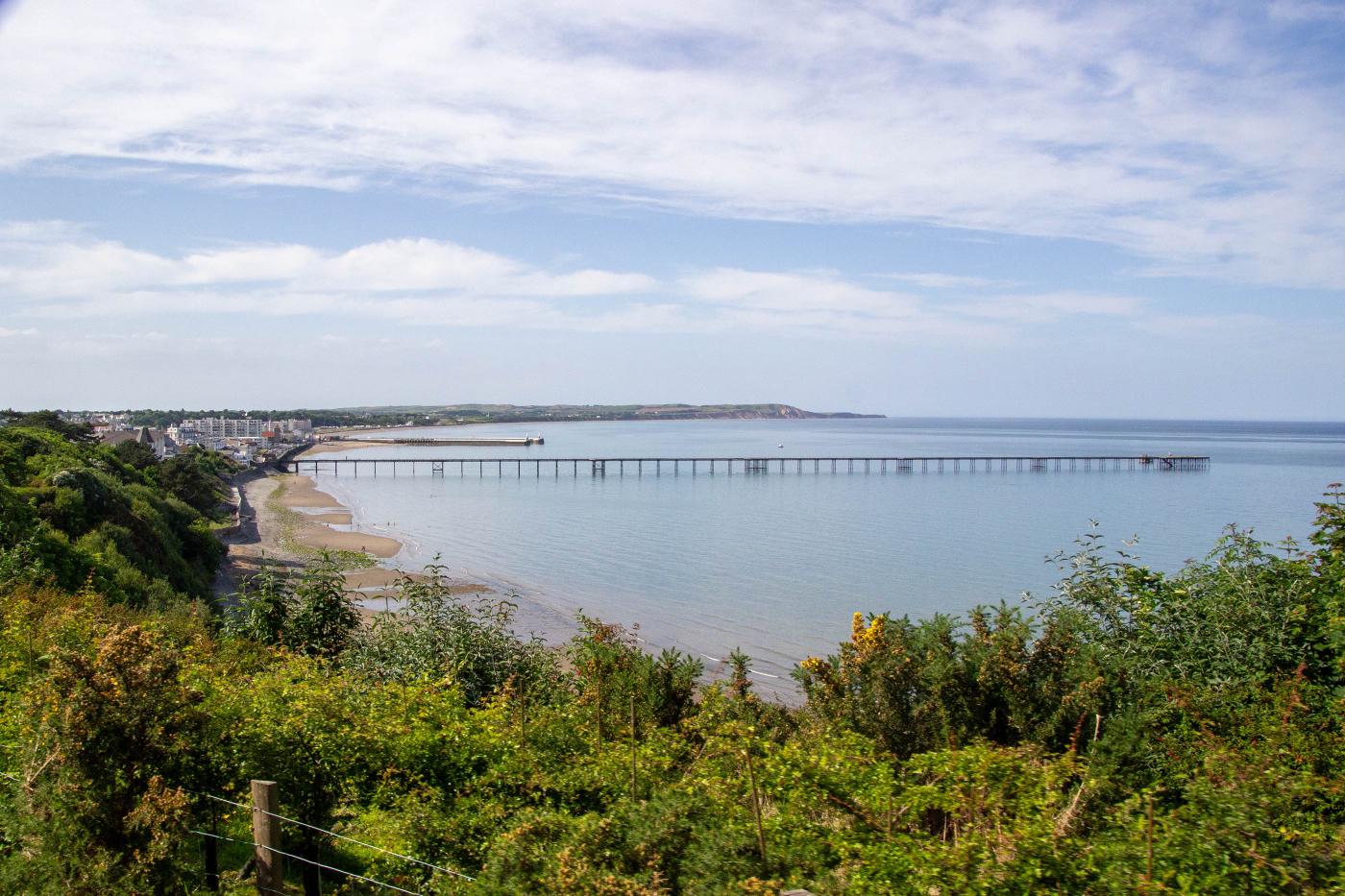
Another view of the Queen’s Pier, from a distance so that we may see its length.
electric rail⌗
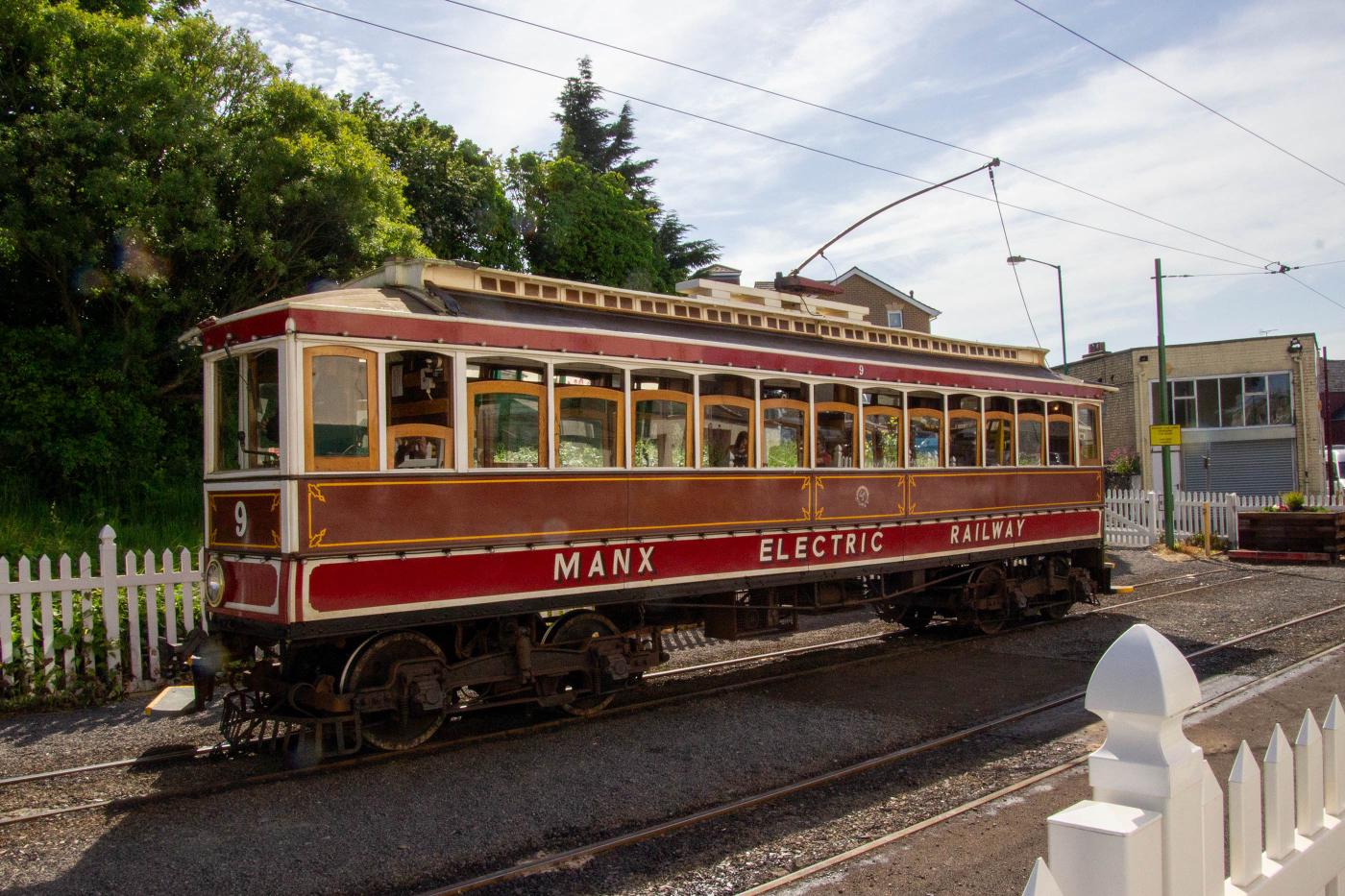
The island runs a historical electric railway, called the Manx Electric Railway. Again dating from the late 19th century, the railway runs on 550 volts DC and features roughly 25 electric trams. It holds the title of being the the oldest electric tram line in the world in the sense that most of its electric trams are original, some dating back over a century.
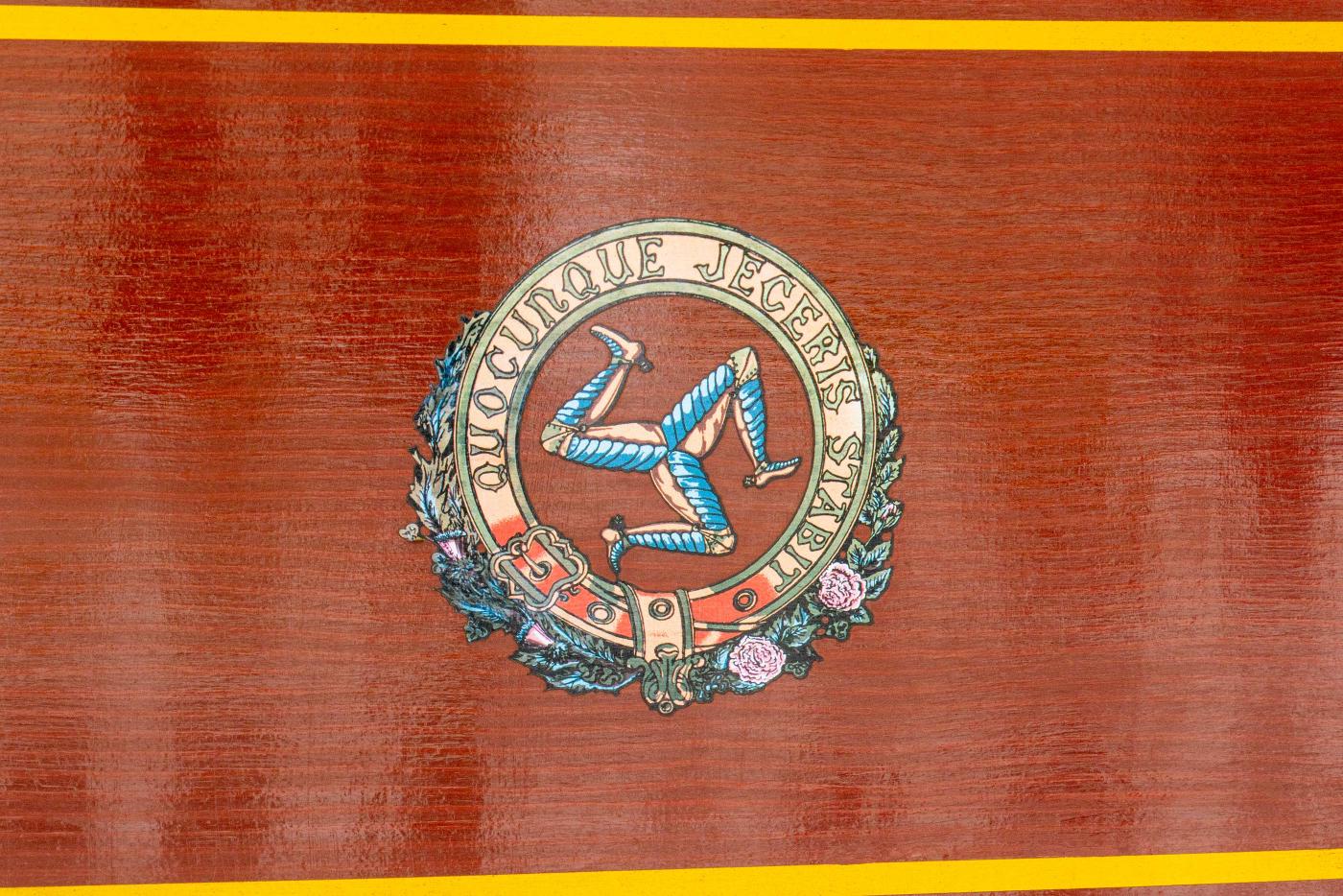
A close-up of the hand-painted insignia on the side of the electric tram.
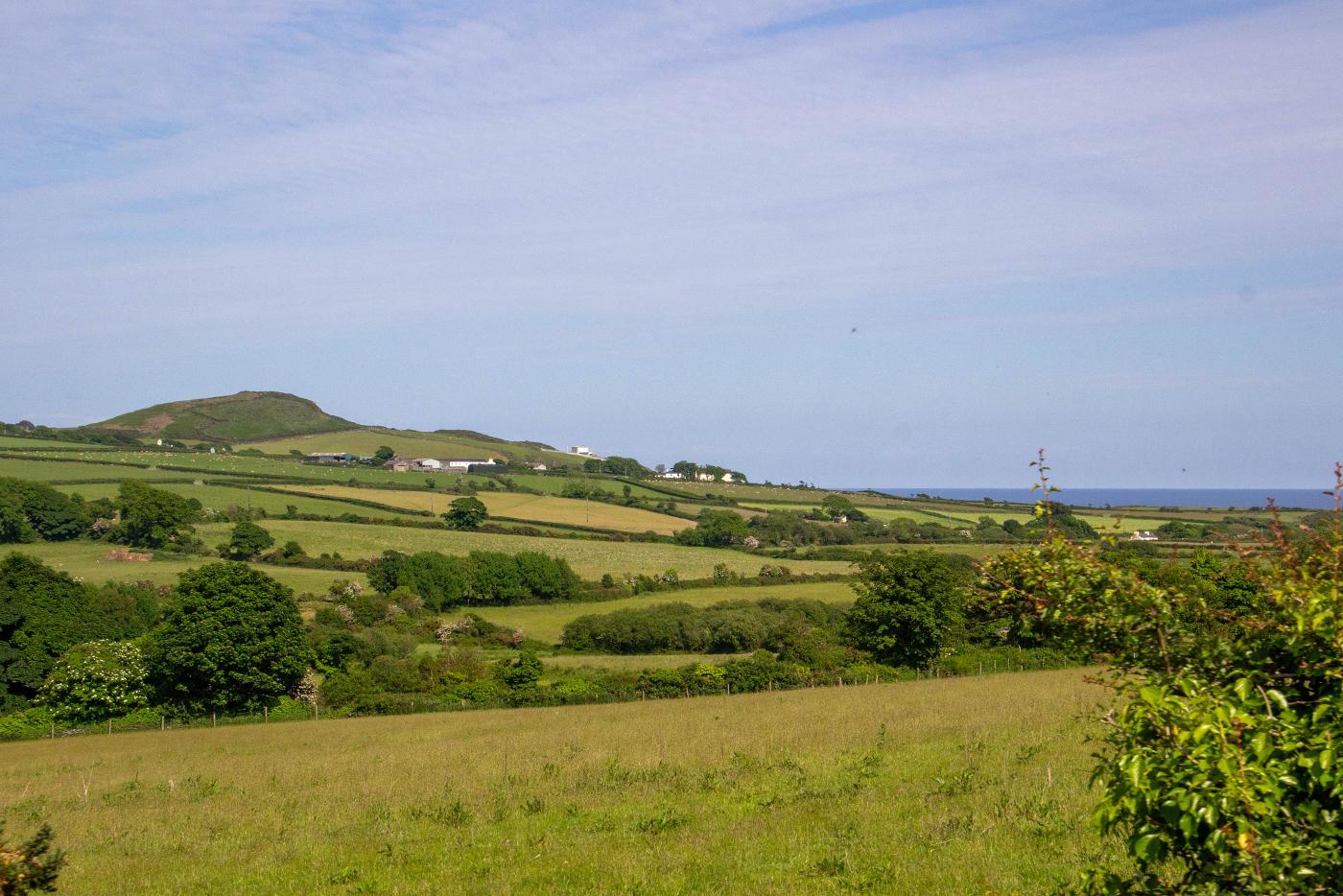
The railway snakes along the eastern coast, providing excellent scenic views of some quieter parts of the island.
Laxey and Laxey Wheel⌗
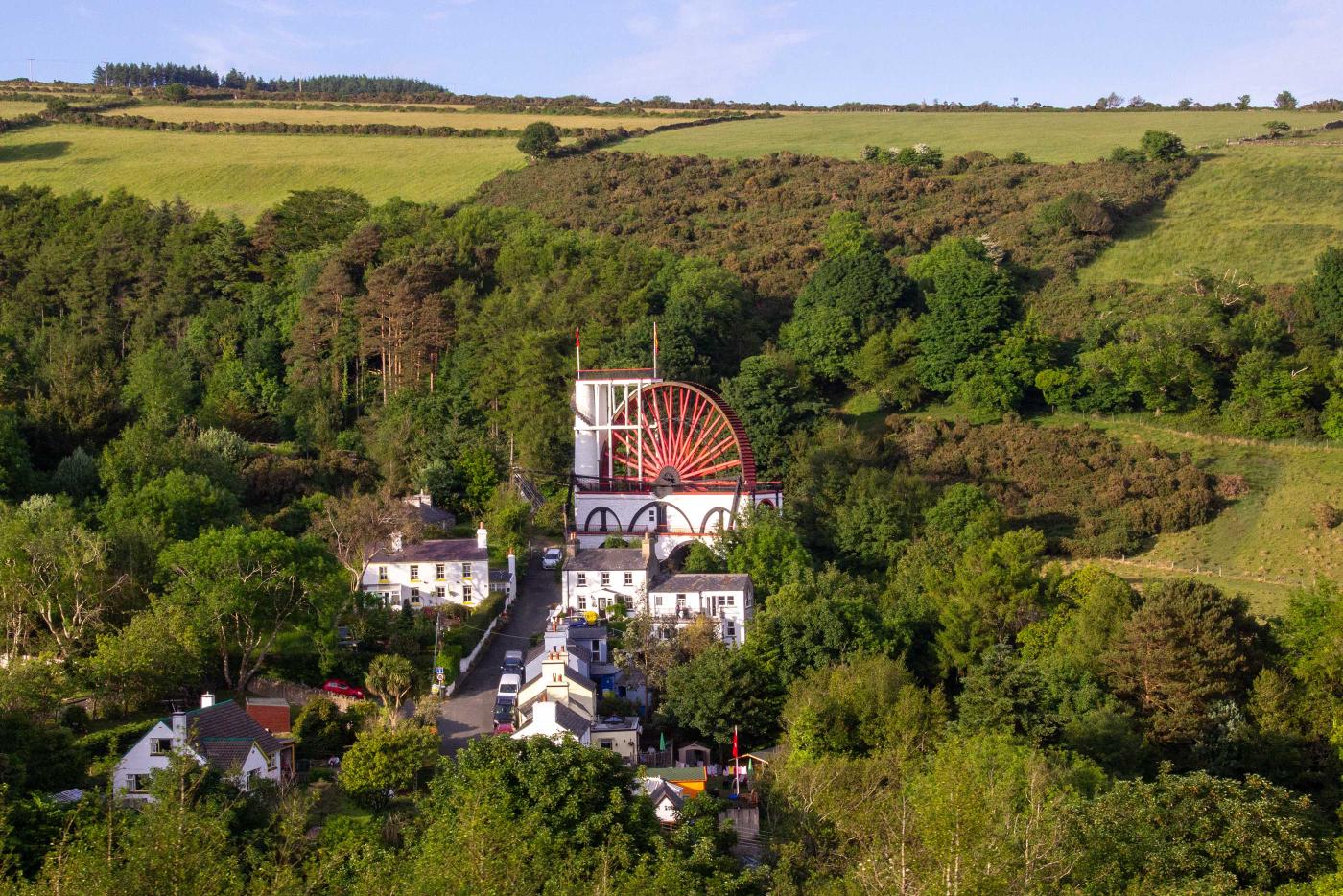
The electric rail eventually brought me to the village of Laxey, where there is a small station and junction. From here, one can take another train up Snaefell Mountain, the highest peak on the island, or view some attractions in Laxey. Pictured above is Laxey Wheel, and enormous waterwheel. It holds the title of being the largest surviving original working waterwheel in the world, built in 1854.
Laxey is a historic mining town. In the 19th and early 20th century, large amounts of lead and zinc were mined here. The ore was washed on various washing floors - basically wide open spaces with flowing water - that still exist today.
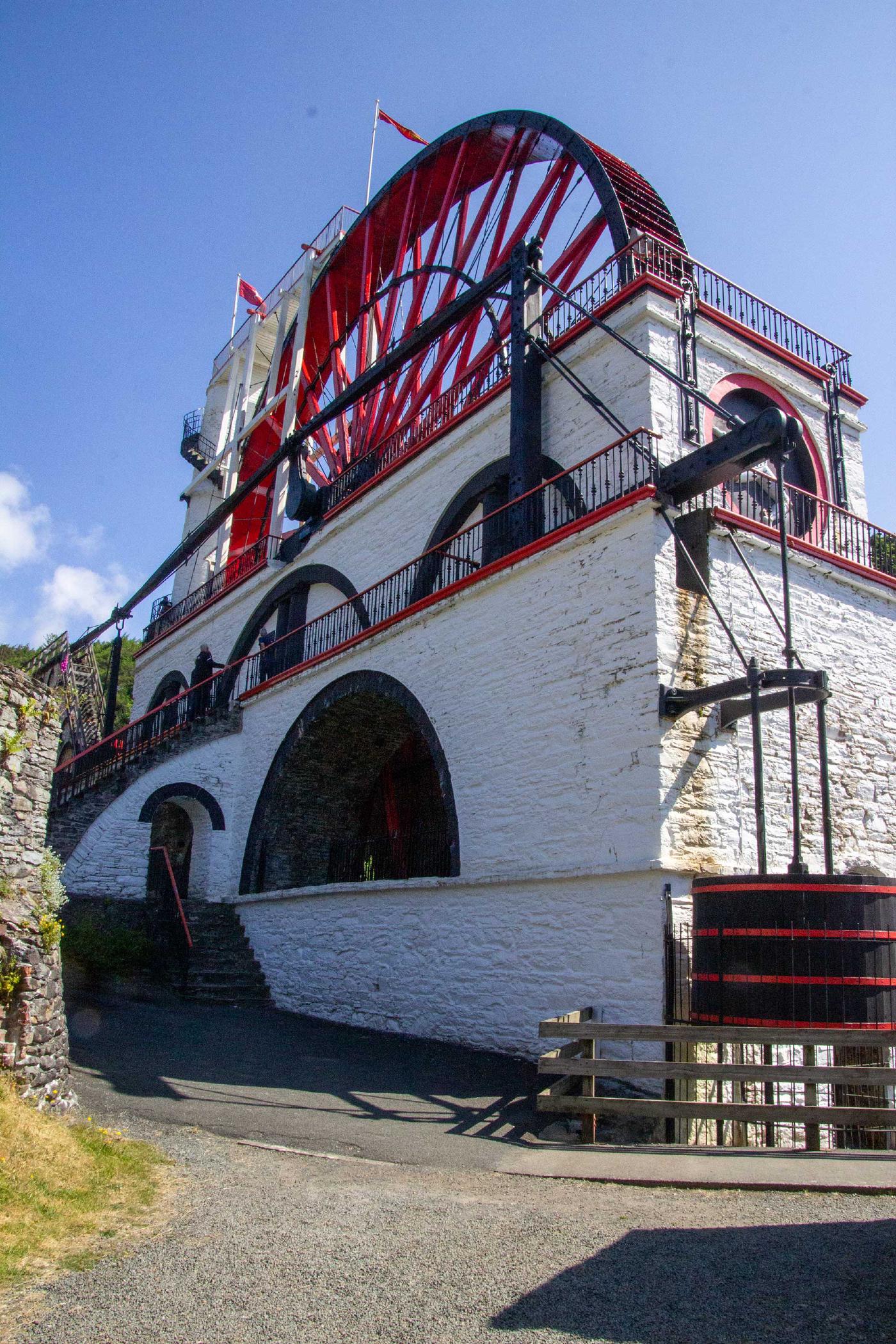
Laxey Wheel served as a water pump to deliver water to these floors and other mining operations. The wheel itself is about 72 feet in diameter, 6 feet wide, and spins at 3 rotations per minute.
The wheel is now a National Heritage site.
Snaefell Mountain Summit⌗
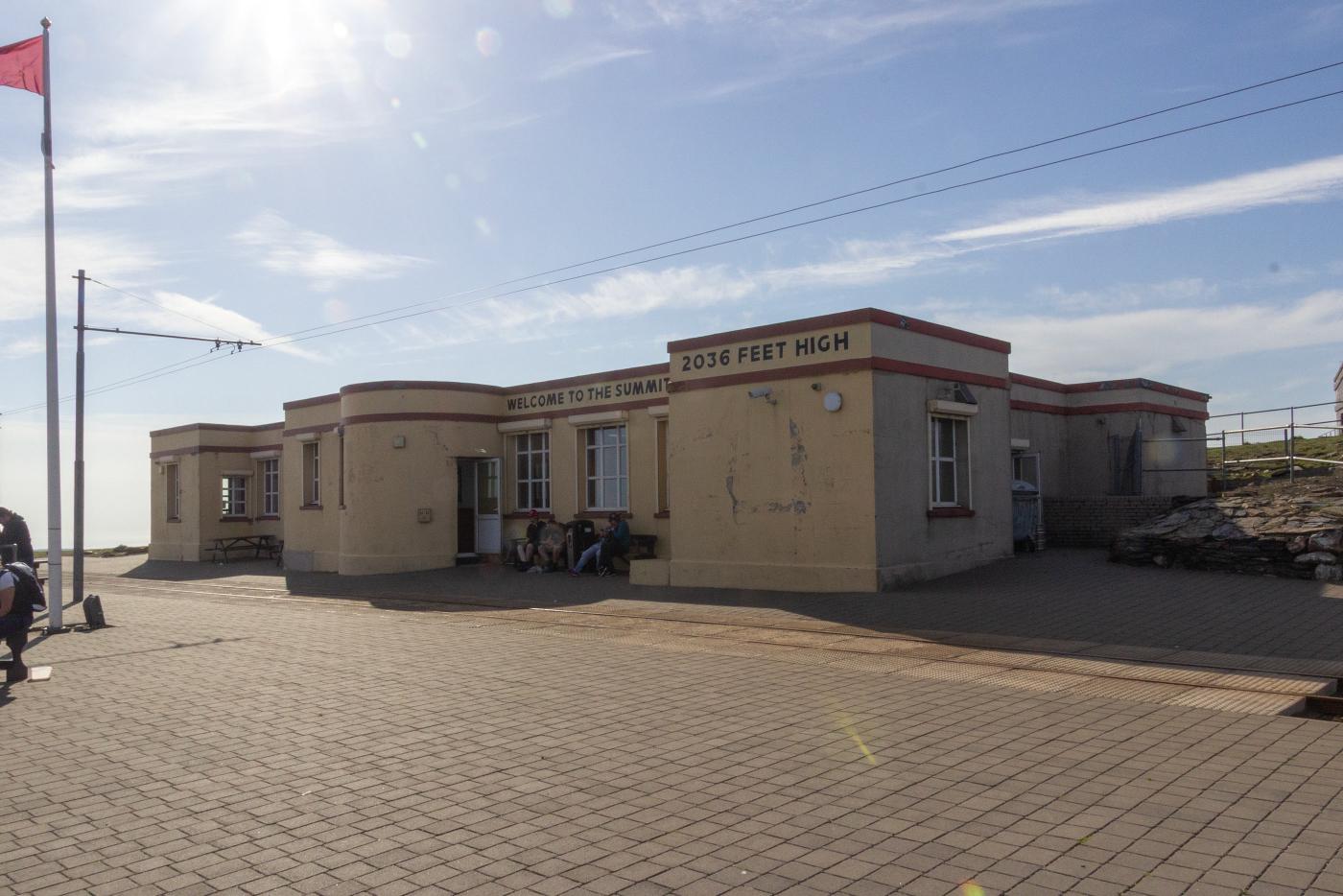
From Laxey, I took the electric rail up to the summit of Snaefell Mountain. There is a small restaurant at the top, but it seemed to have been closed for some time. You could go inside in case of bad weather, but no food was available.
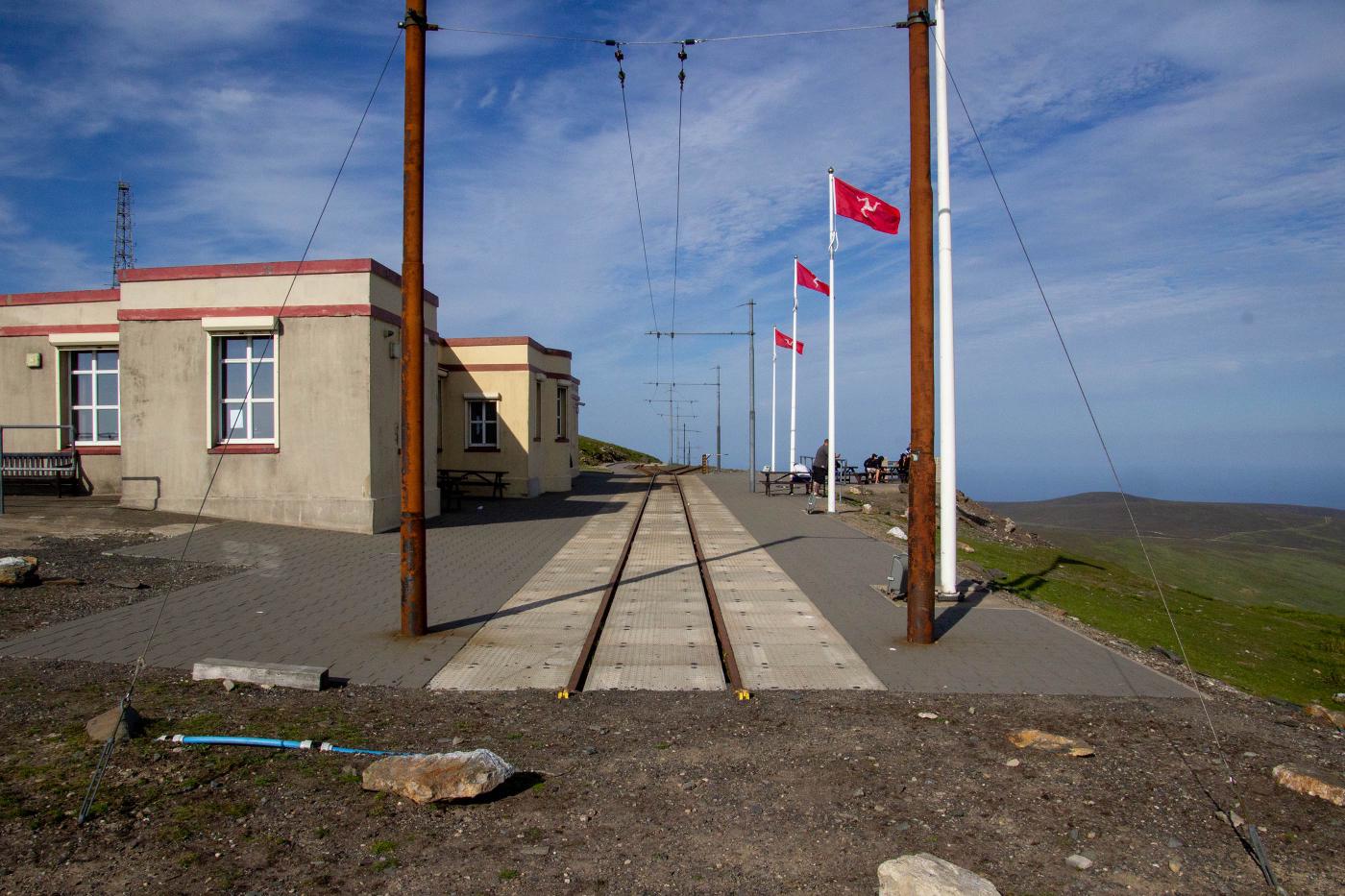
The railway takes you right to the top. No hiking required!
I’ll be honest - taking a century-old vehicle up a mountain did seem a little scary. The railway was steep and wound around the contours of the mountain, making working brakes absolutely critical. Looking back after some research, the railway does have an excellent safety record, which puts my mind at ease.
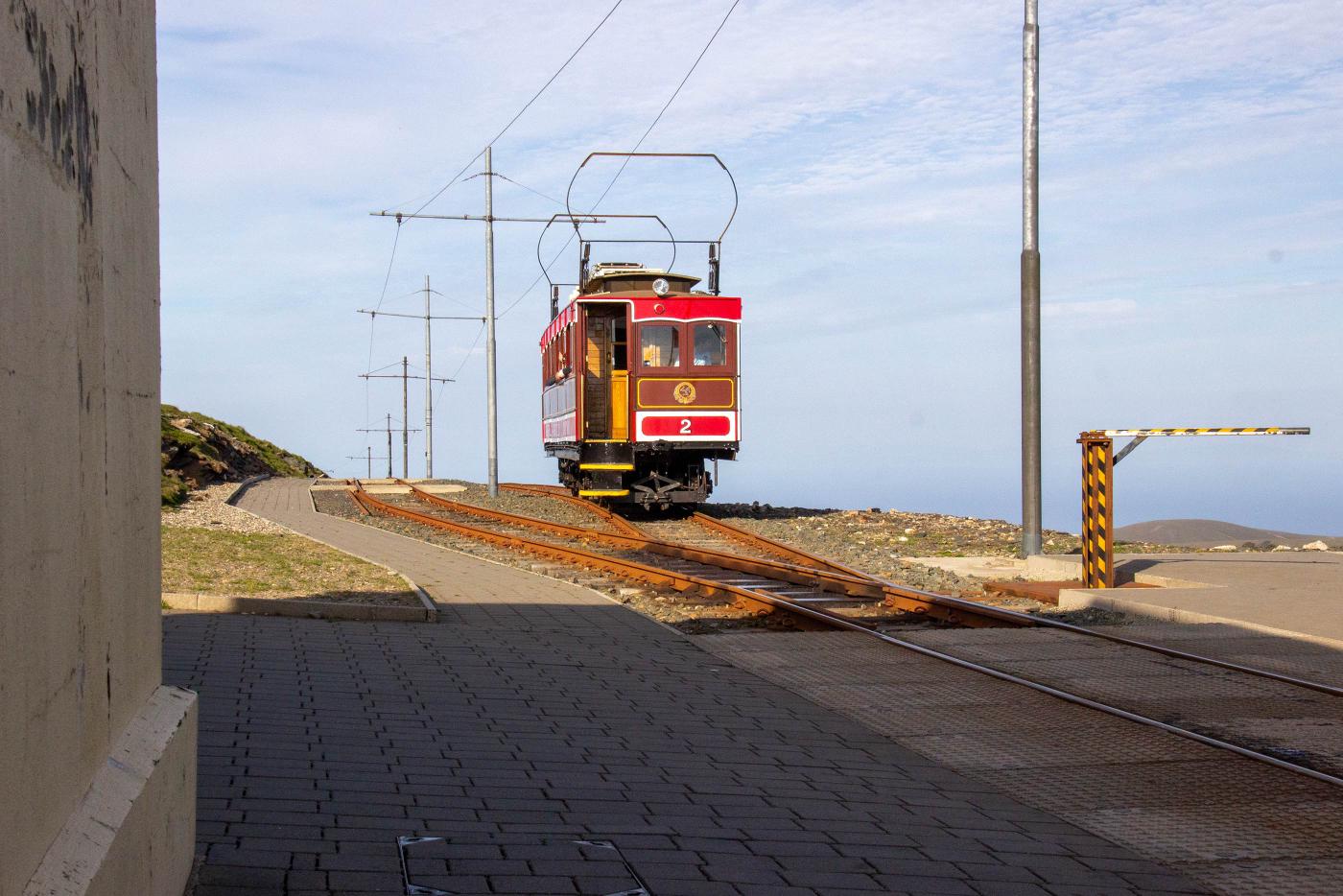
An electric tram, departing.
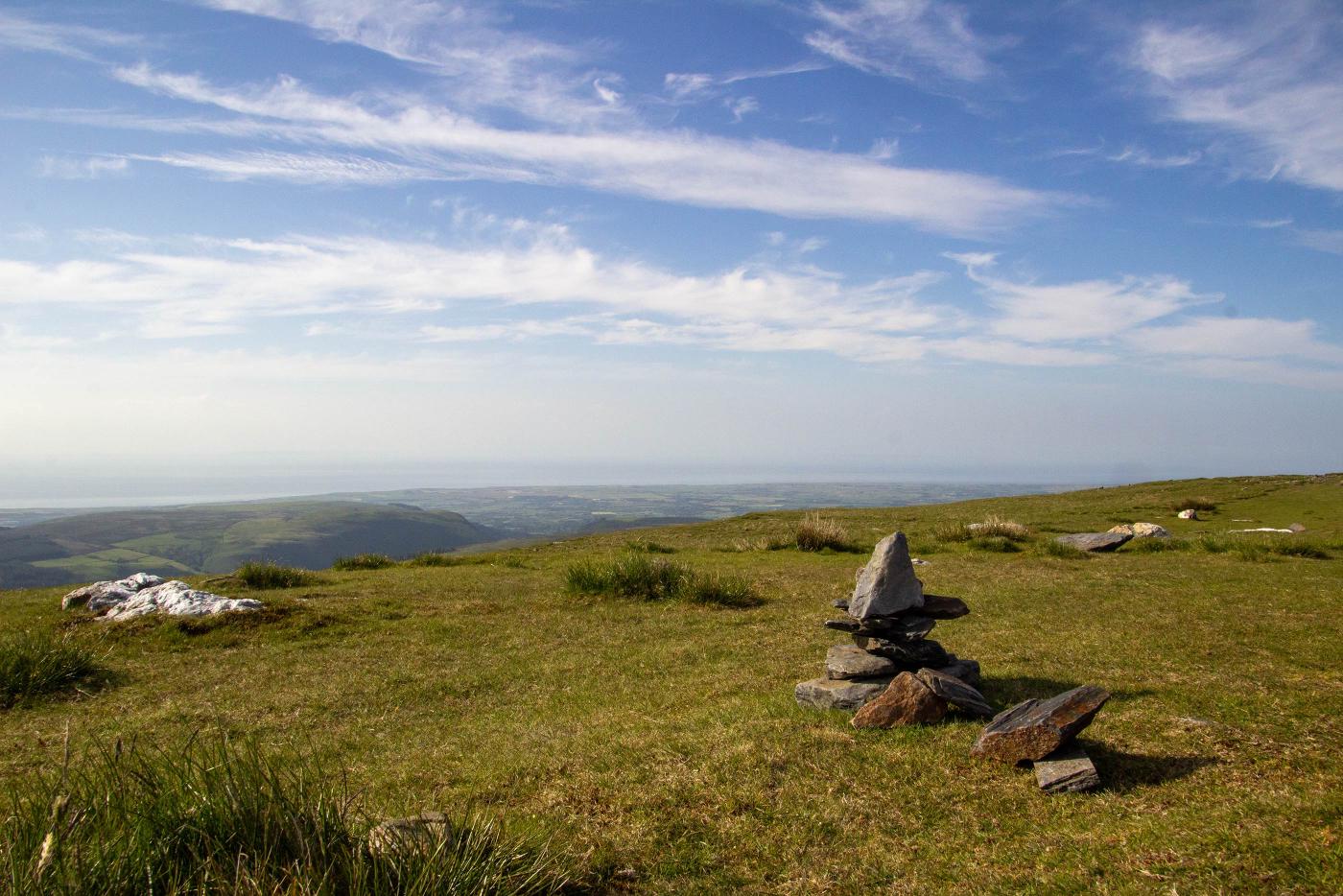
Scenic view from the summit.
Calf of Man⌗
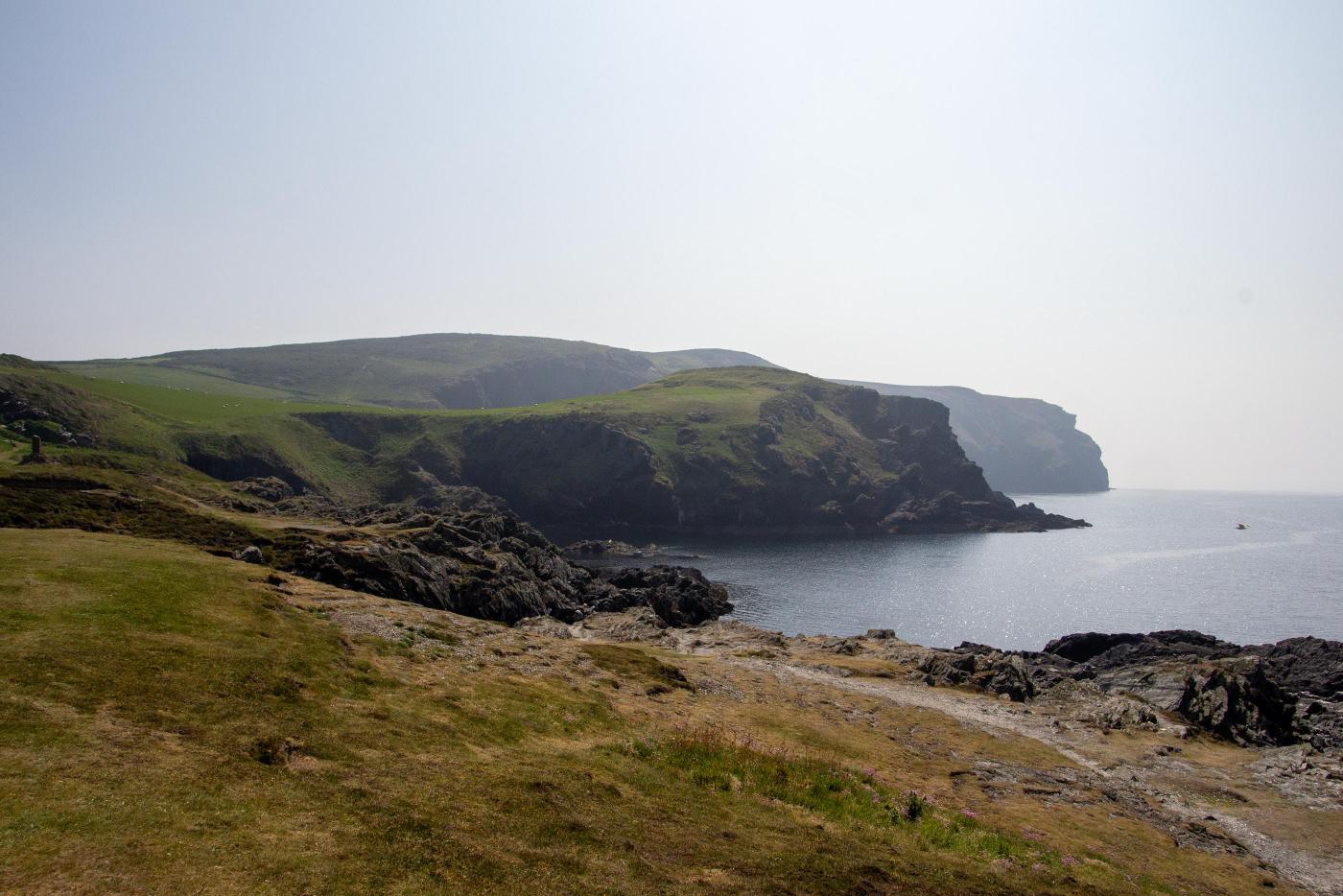
Later, I made my way down to the southernmost tip of the main island. Not far from shore is another island, known as the Calf of Man. The name comes from the island’s shape; it roughly looks like a lamb calf - distinct legs, a body, and a head section.
The Calf of Man is uninhabited, but there are a few historic structures on it.
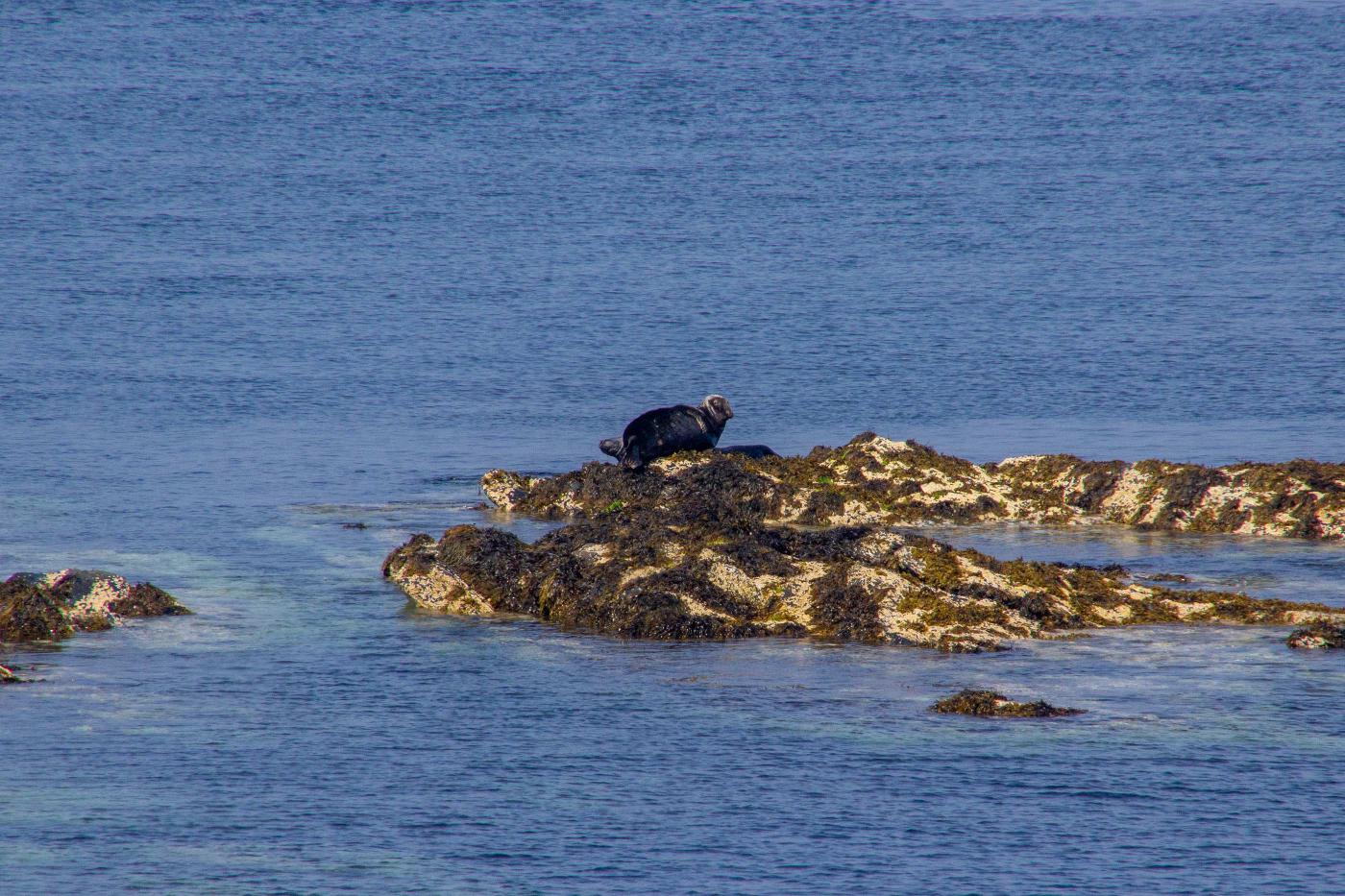
Sea wildlife, near the Calf of Man, in an area known as Cow Harbour.
hiking to Port of Erin⌗
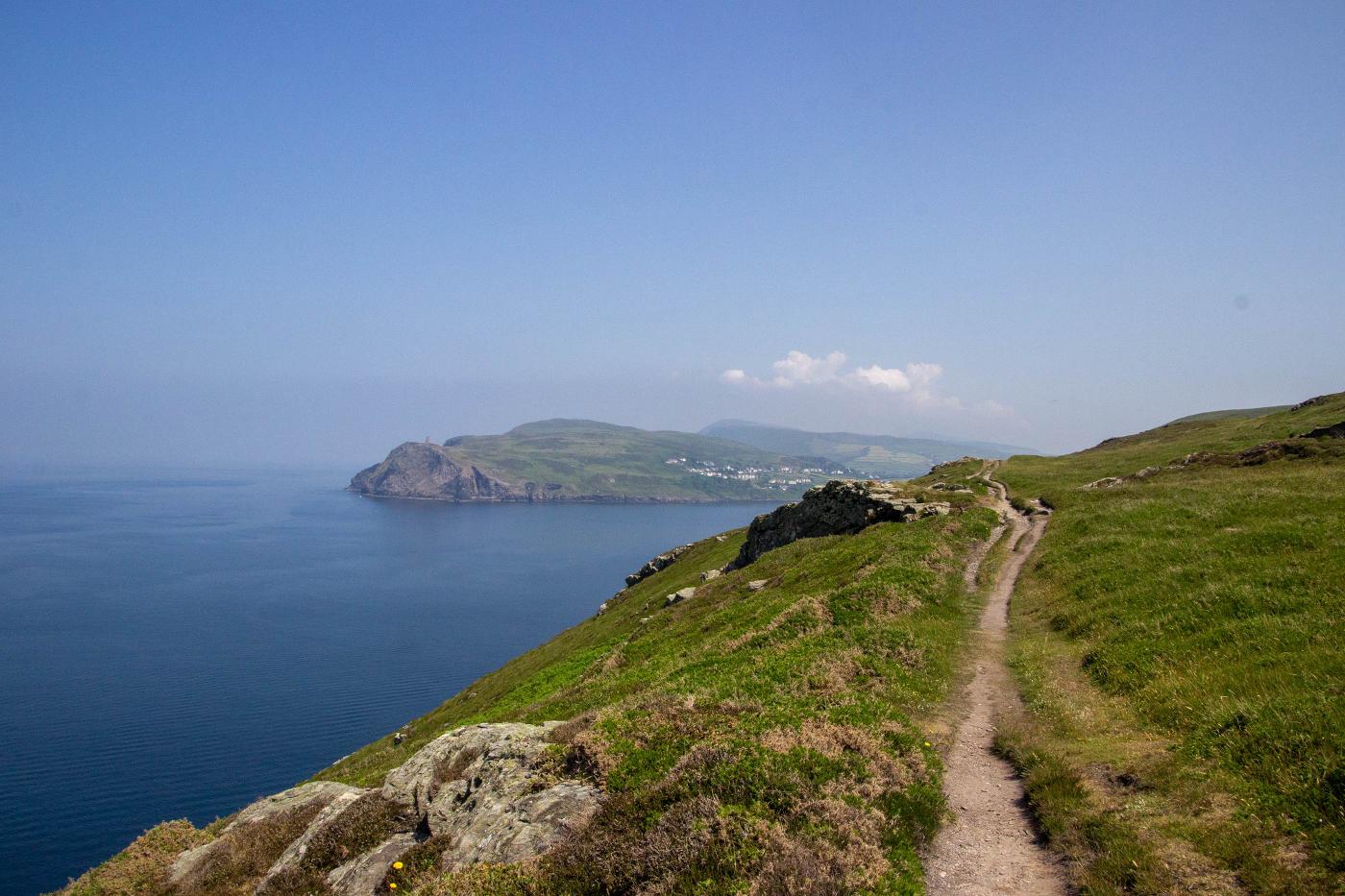
From the shorelines near the Calf of Man, hiking trails depart allowing you to walk either towards the east side of the island, or the west side. I chose the west side, taking a trail that would eventually arrive at the Port of Erin.
Despite being only about 3 miles long, I found the hike somewhat difficult. As you can see in the image above, the coastline the trail follows slopes steeply towards the ocean. This made walking difficult as your ankles constantly wanted to roll sideways down the hillside.
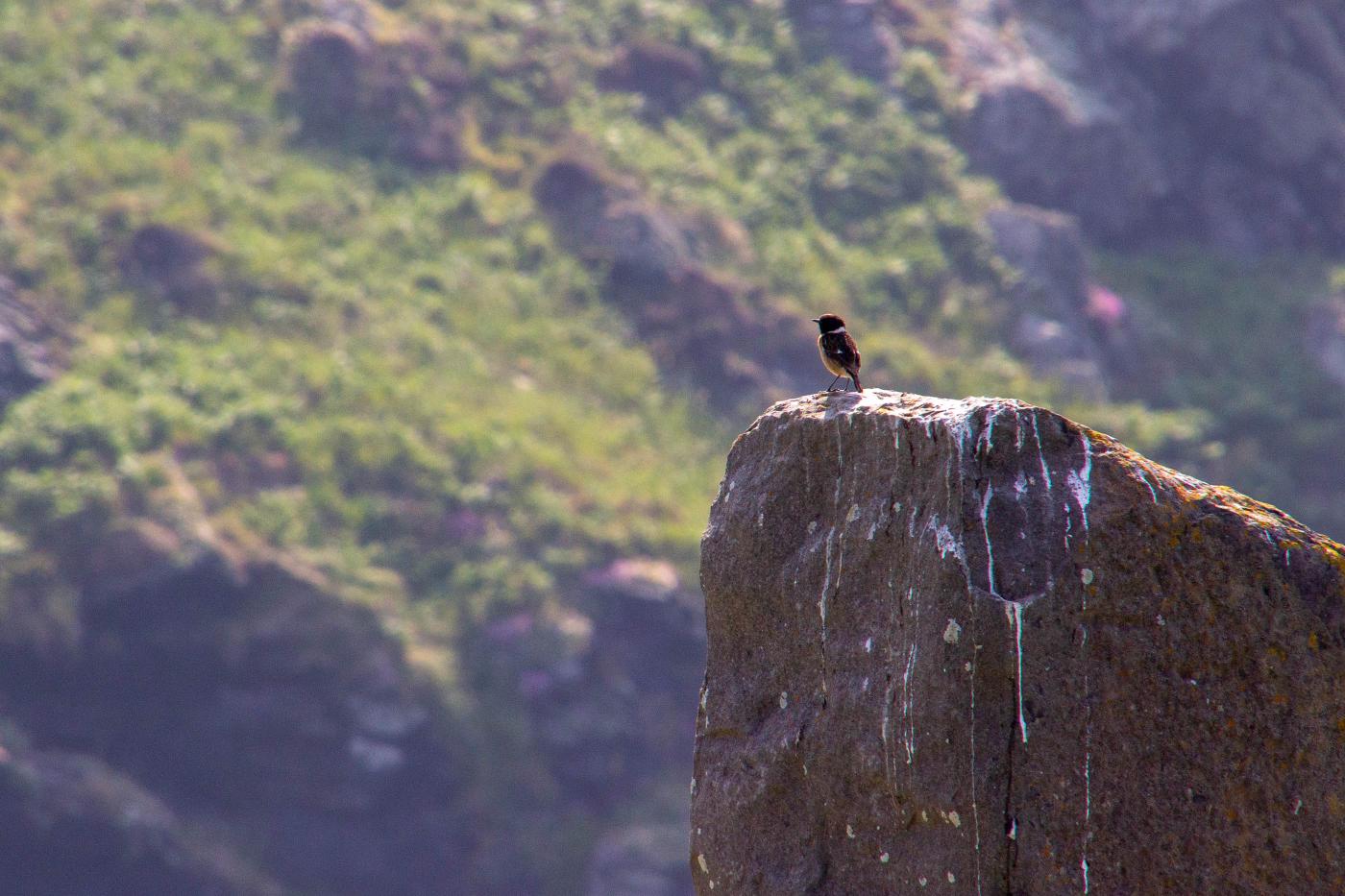
Wildlife along the trail.
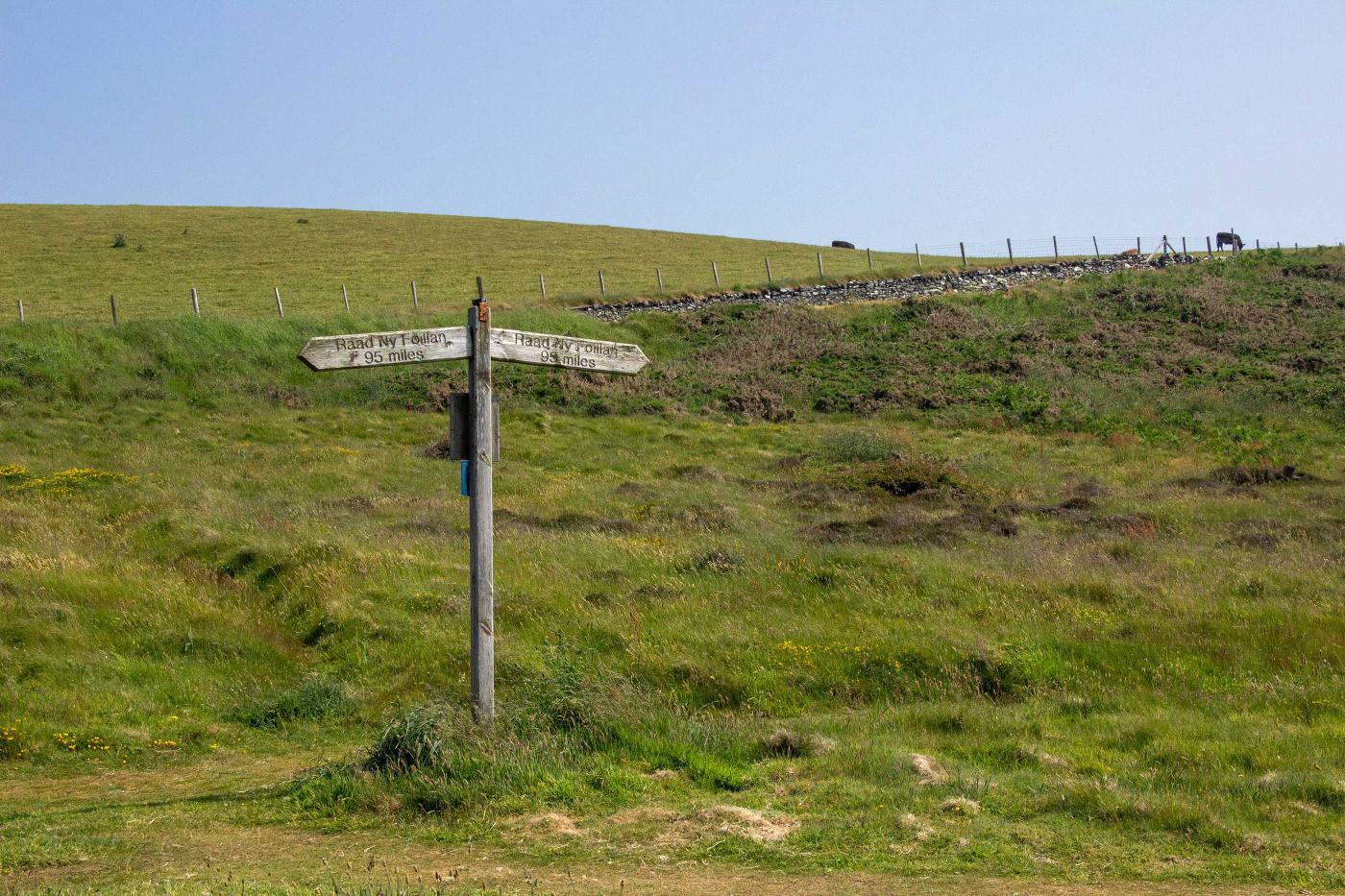
Trail signage. “Raad Ny Foillan” - Manx for “The Way of the Gull” is the same trail seen earlier near Peel that encircles the island. I believe this sign is marking the fork in the trail that takes you either on the trails along the west or east side of the island. The coastline of the island meanders enough that despite the entire island being only about 30 miles long, the trail’s length is nearly 100 miles.
Milner’s Tower⌗
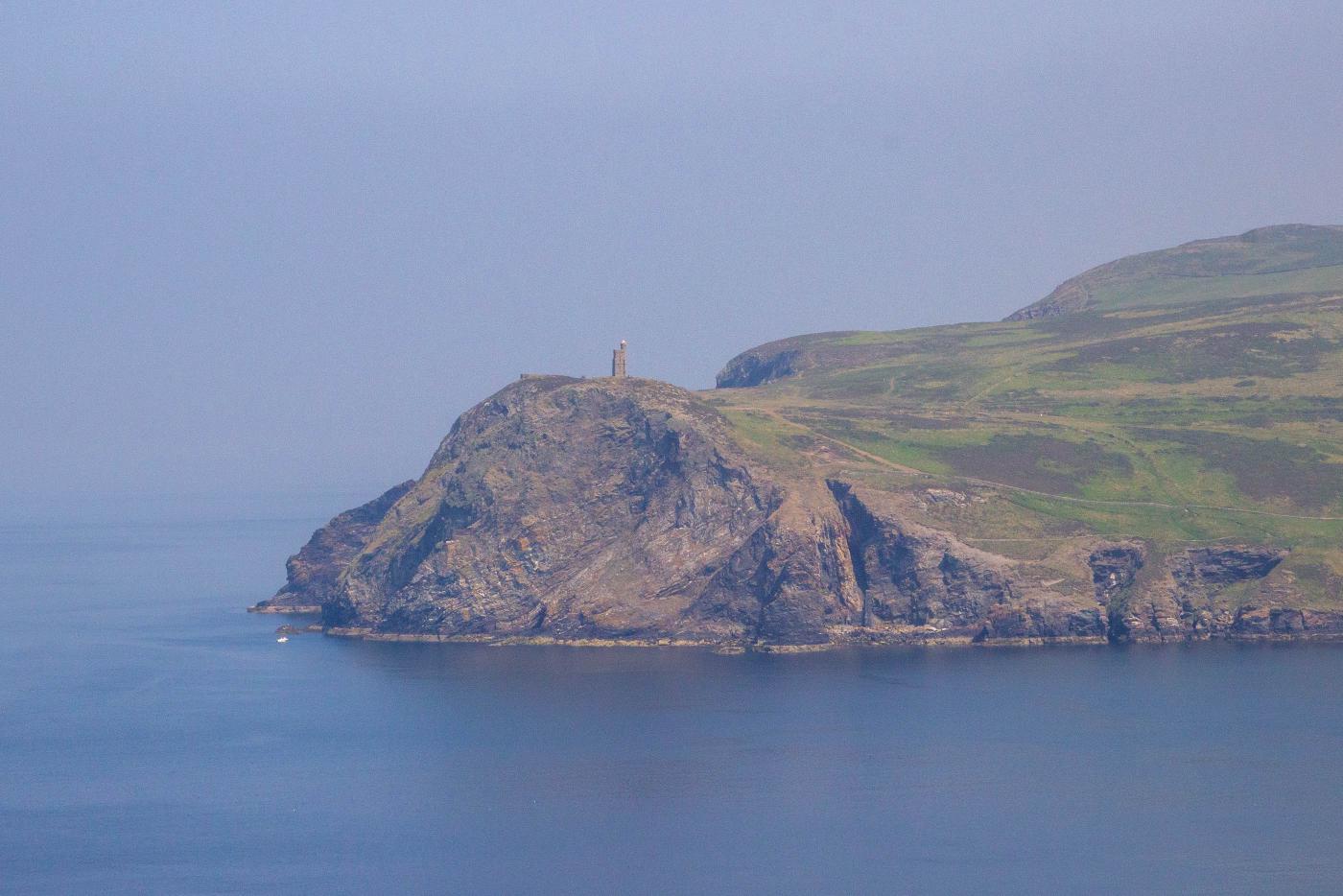
When approaching the Port of Erin, a picturesque stone tower can be seen on a hill overlooking the port’s bay. Milner’s Tower - built atop Bradda Head - was built to honor a local businessman, William Milner, in the mid 19th century, for his love and support for the town.
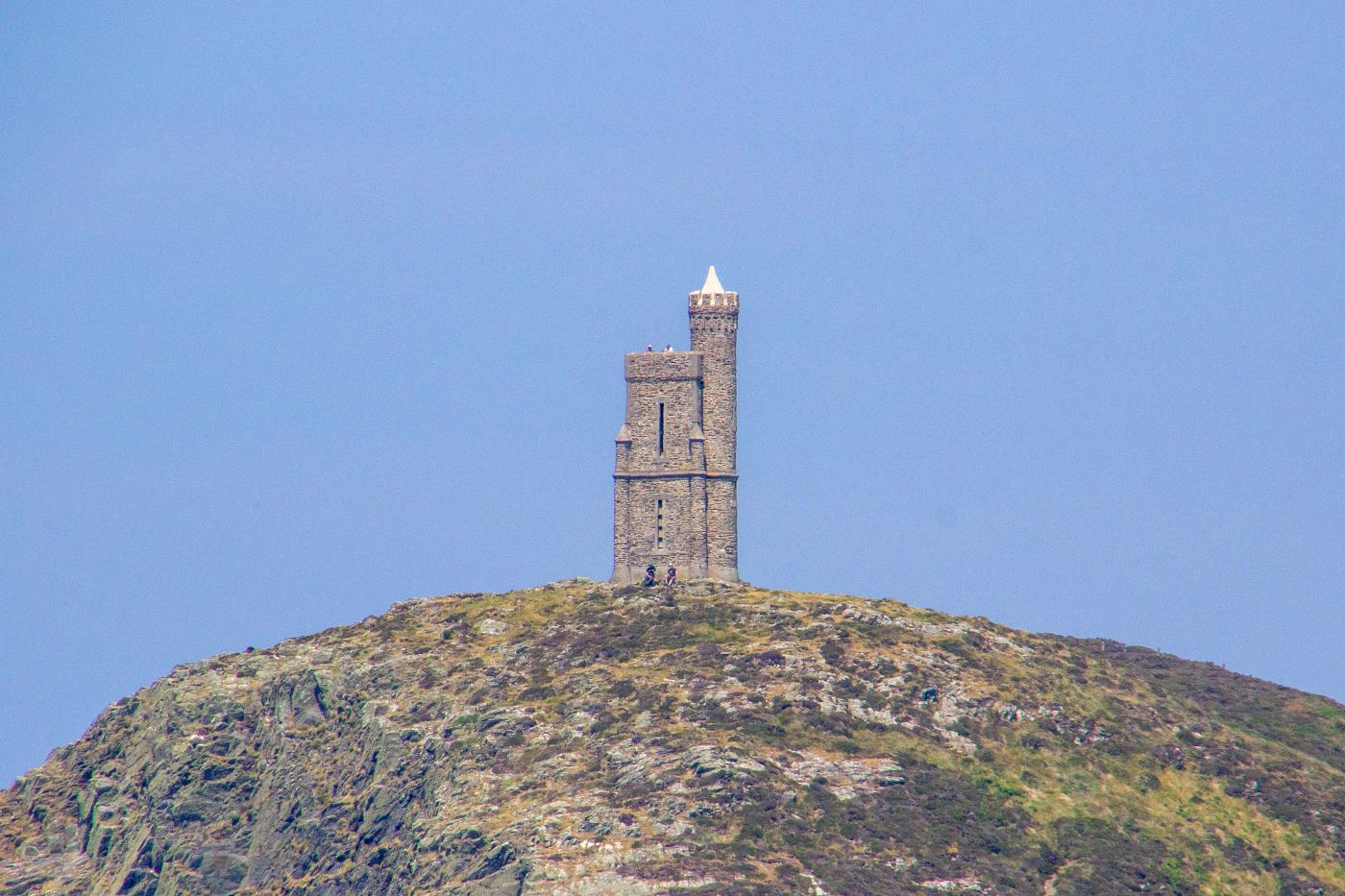
Closer view of Milner’s Tower tower. It’s tall towers and narrow footprint gives it an extremely fairytale-like appearance.
Port of Erin beach⌗
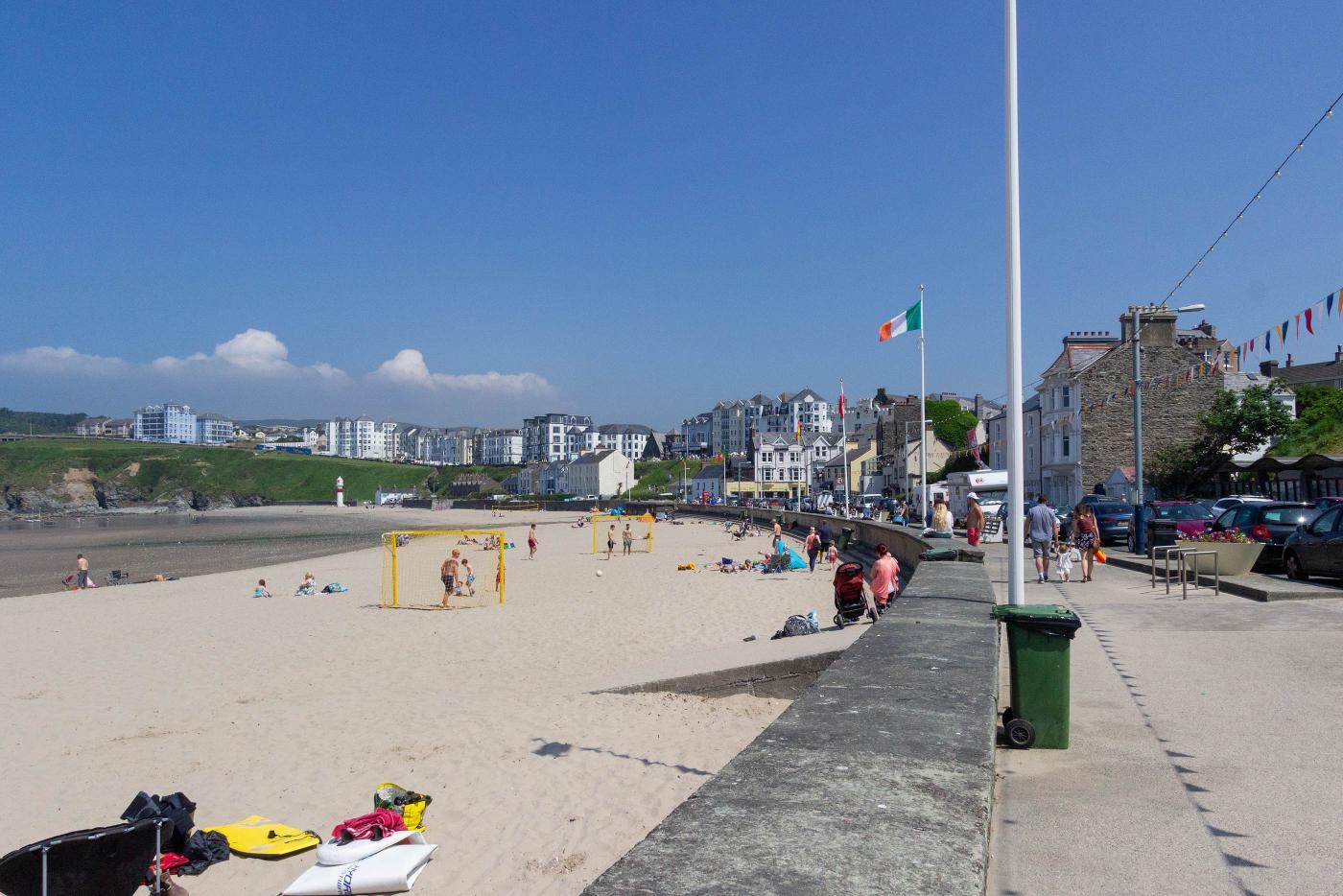
Port of Erin is an adorable little town, seemingly a hot spot for beach-going tourists.
Isle of Man Railway⌗
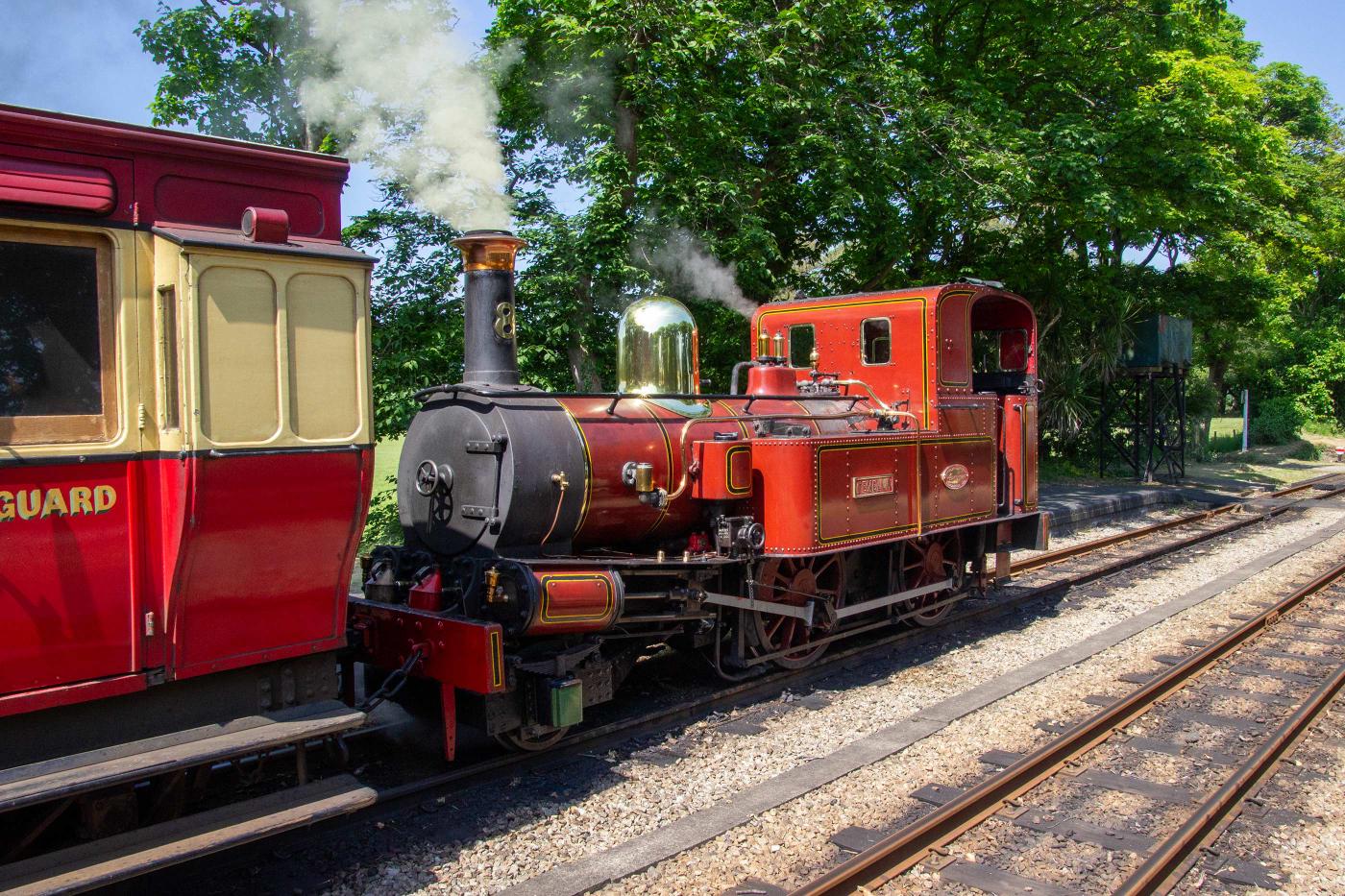
Separate from the electric railway in the north of the island, the southern half of the island is serviced by a historic steam railway. Today, the trains run from Port of Erin to Douglas. I took this train from Port of Erin, stopped in Castletown along the way, and eventually made it back to Douglas where I called it a day.
final race day⌗
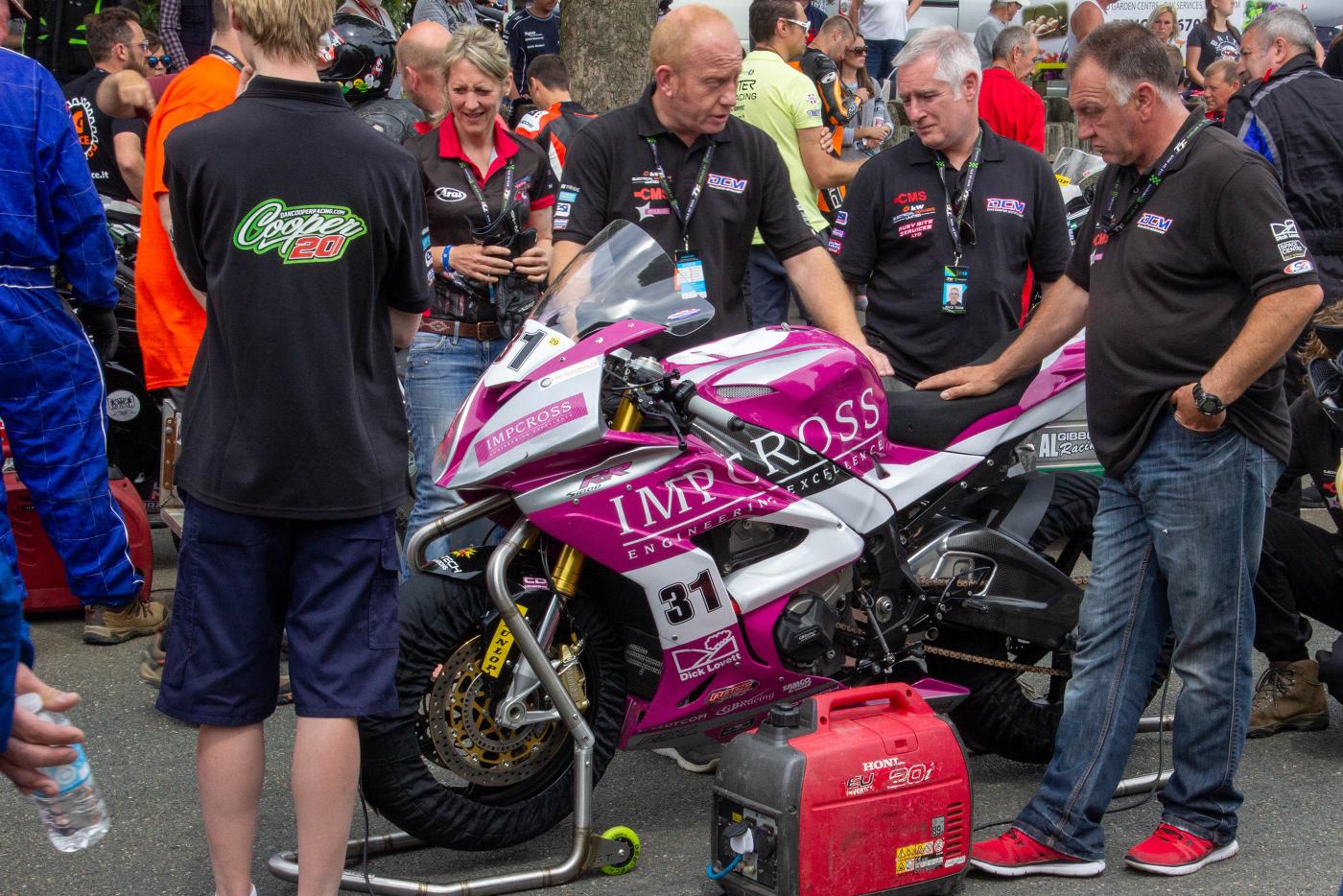
The next day was the final day of racing. On the final day, the main event - The Senior TT - is run. This is the event the island is known for.
Pictured here is a bike and crew participating in the race. Just like in other motorsports, the crews keep heaters on the bike’s tires right up until go time, as seen here. Hot tires grip the roads better, allowing racers to corner faster and make better time.
the end⌗
This concludes my time on the Isle of Man. I stayed on the island for almost two weeks and had time to see many of the historic and cultural sites on the island, in addition to the motorsport races. The Tourist Trophy races have been run for over a century now, deeply intertwining the two. Learning about the island’s history and culture was horizon broadening. As someone who grew up in a small town, the layout and scale of the Isle of Man made me feel right at home.
I was very fortunate to have been visiting at a time when some of the best weather in years was rolling though. The British Isles are famously rainy and dreary, and the Isle of Man is no exception. However, we had clear weather nearly every single day during my stay. I recall about an hour of rain during one cloudy day, but no more.
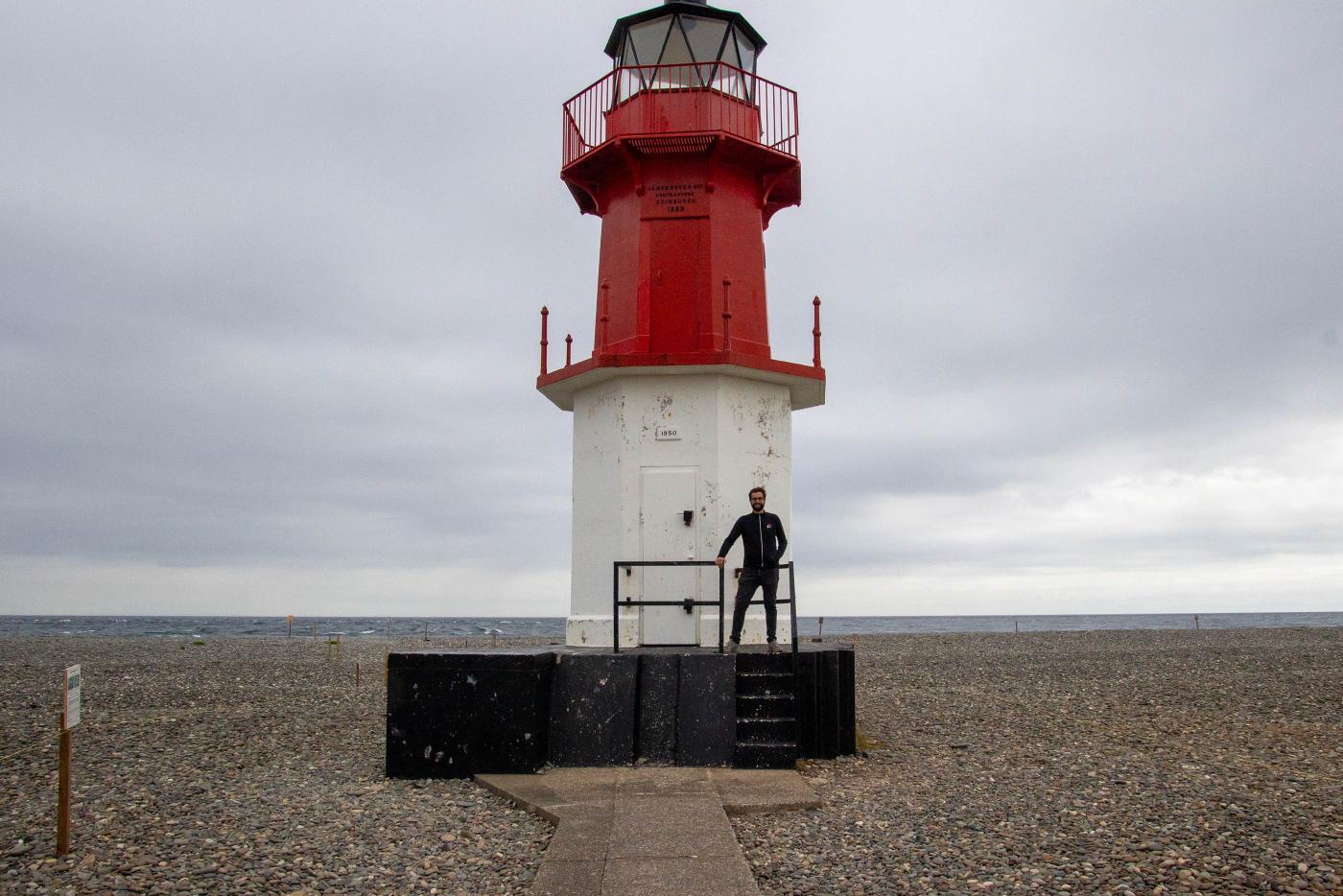
Here, on the northernmost point of the island, stands a lighthouse called The Winkie. That’s me standing on it!
the author⌗
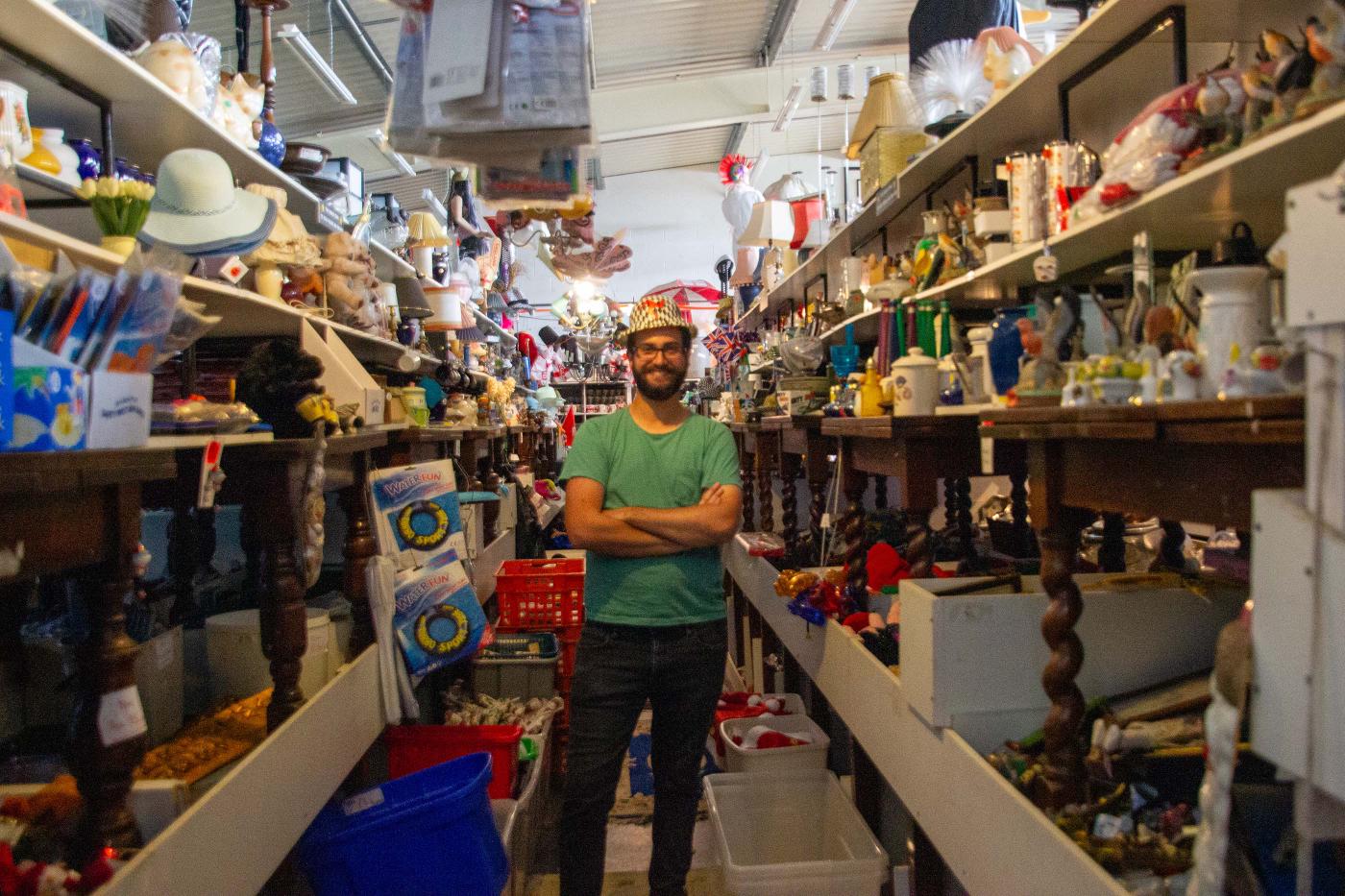
The author of this blog, photographed at Jurby Junk, a sprawling “bric-a-brac” store.
I hope you enjoyed reading about my trip. I sure enjoyed the trip itself, and writing this post. The race was amazing to see, and staying with the locals rather than sleeping in a hotel made the trip a truly special experience I’ll never forget.
If you enjoyed my story and photos, or are planning a trip of your own, let me know!